A new episode of the Customer XO podcast with Maggie Kwasnica, Manager of CX at Bogg Bag
For more than a century, “the customer is always right” was the unwritten constitution of retail. It shaped how brands trained agents, wrote return policies, and resolved disputes. It also assumed something that’s no longer reliably true: that the customer on the other end is actually a customer.
In the latest episode of Customer XO, hosts Alex Shamir and Jordan Shamir sit down with Maggie Kwasnica, Manager of CX at Bogg Bag, to retire that mantra and replace it with something more useful.
The conversation isn’t a takedown of customer empathy. It’s a refusal to let empathy be the only tool in the kit. Modern CX teams are squeezed between two opposing pressures. They’re expected to deliver a magical, frictionless experience and protect the brand from a rising tide of organized return fraud, empty-box claims, injury scams, and repeat-offender abuse. Maggie’s playbook for handling that tension is the most practical, lived-in version of the answer we’ve heard.
Here’s what stood out.
1. The “empty box” claim is more sophisticated than you think
The most familiar fraud tactic in ecommerce — the customer who insists their package arrived empty — has evolved. Maggie walks through how Bogg Bag distinguishes between genuine fulfillment errors and coordinated abuse, and why the difference often comes down to one thing: pattern recognition across orders, accounts, and time.
The takeaway? A single empty-box claim is almost always legitimate. The third one from the same household, after the same shipping carrier, with no photo evidence, isn’t. Most teams investigate the claim. The teams getting it right investigate the behavior.
2. Injury claims and “ambulance chasers” are now a CX problem
It used to be a legal problem. Now it lands in the support queue first.
Maggie shares how her team handles inbound injury claims — the ones that look like genuine product defects and the ones that look like opportunistic shakedowns — and where the line falls between the two.
This is the kind of judgment call that breaks generic CX scripts. It requires policy clarity, internal escalation paths, and the discipline to slow down when the dollar amount or the language pattern signals something off. Speed is usually a CX virtue. In these moments, it’s the opposite.
3. Repeat offenders are easier to catch than you’d guess
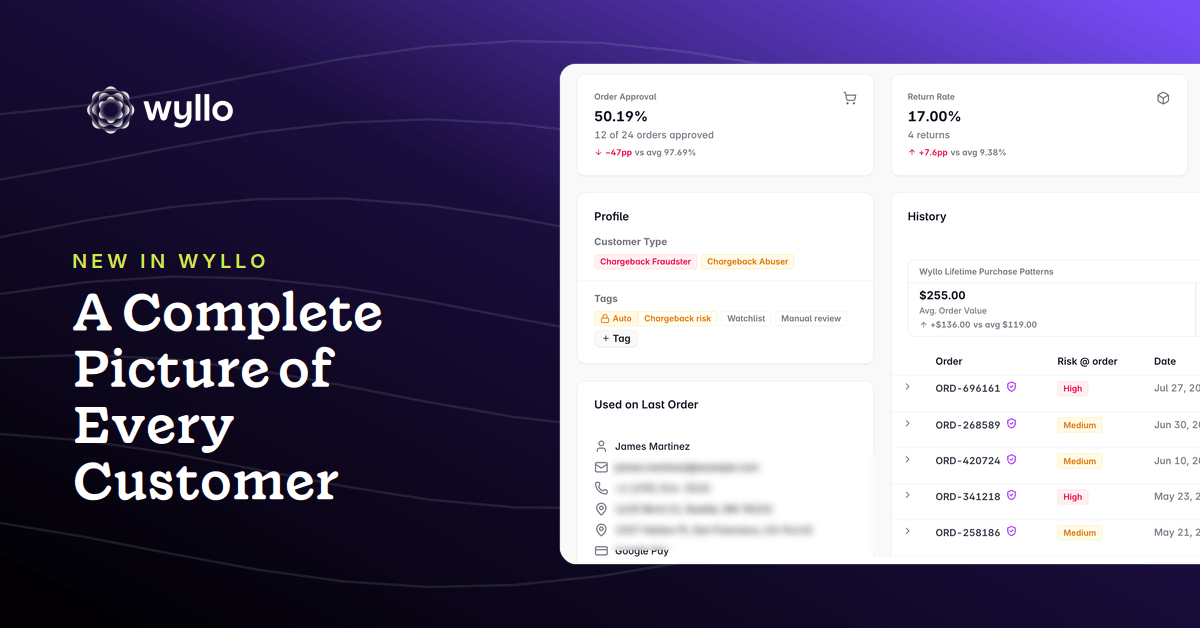
If you’re only looking at one transaction at a time, bad actors blend in. If you’re looking at customer-level patterns — across orders, returns, claims, and channels — they don’t.
Maggie’s view: the fraud that’s hardest to stop is the fraud you’re not measuring at the right unit of analysis. A returns rate is a number. A repeat-offender pattern is a profile. The difference is whether your tooling is set up to see it.
4. BBB threats and digital abuse: the playbook for keeping calm
Almost every CX leader has a “they threatened to call the FBI” story. Maggie has several.
More importantly, she has a way of handling them that doesn’t involve folding under pressure. The framing she uses (and that aligns with how the best CX teams are training): empathy as a tool, not a concession. You can validate frustration without validating the claim. You can hold the line on a policy while still treating the human on the other end with respect.
The key is that the policy has to actually exist before the heat shows up.
5. AI is changing both sides of the equation
The same generative tools that help CX teams scale personalized responses are helping fraudsters Photoshop “moldy” products, fabricate delivery disputes, and run social-engineering attacks at volume. The asymmetry isn’t going to resolve on its own.
What Maggie and the hosts agree on is that the merchants who will win the next 24 months aren’t the ones with the strictest policies or the most permissive ones. They’re the ones who use AI to understand customer intent, separating the genuine “this product failed me” claim from the patterned attempt to game the system, in real time, at every touchpoint.
6. Personalization and policy aren’t opposites
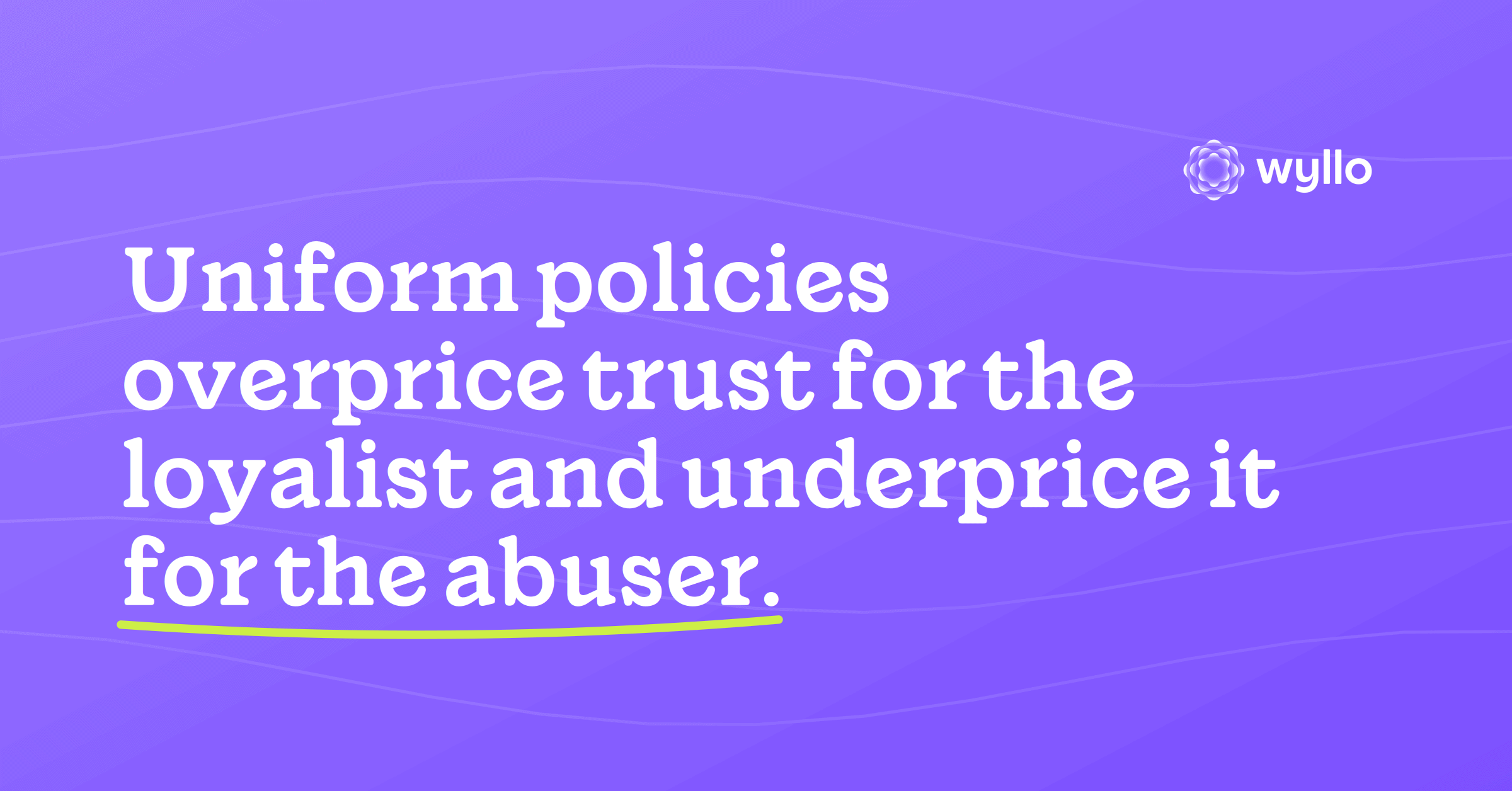
Policies that treat every customer the same are the reason the old mantra keeps coming back. If your policy is rigid, you’ll either over-protect (and lose good customers) or over-accommodate (and bleed margin to bad ones).
The new approach is personalization at the policy level, creating different friction for different signals. Quiet, frictionless paths for the customers your data trusts. Tighter, more formal paths for the ones it doesn’t.
That’s what makes the new mantra possible: the customer is treated fairly, based on what we actually know.
What it means for CX leaders
The CX teams getting this right are doing three things:
- Investigating behavior, not just claims
- Building tiered policies where friction scales with risk signal
- Using AI to extend the team’s judgment, not replace it
That’s the playbook. Maggie walks through how it actually plays out on the ground at Bogg Bag — including the moments where she got it wrong before she got it right.
Listen to the episode
Chapters:
- 0:00 — Intro & Teaser
- 3:55 — Meet Maggie & Bogg Bag
- 4:12 — Fraud Stories: Empty Boxes & Knockoffs
- 8:13 — Injury Claims & Ambulance Chasers
- 9:50 — Handling Legit vs. Fraudulent Claims
- 17:23 — Repeat Offenders & Bad Customers
- 19:45 — BBB, Threats & Digital Abuse
- 23:12 — AI, Automation & the Future of CX
- 28:43 — Personalization & Policy at Scale
- 33:09 — Outro & Wrap-Up
Subscribe to Customer XO for more conversations with the operators rewriting the CX playbook.