Last updated May 17, 2026 with current Mastercard card-testing data, refreshed MRC and Optoro fraud statistics, and a trust-led playbook for catching $0-order abuse without disrupting legitimate offers.
You may have run into an odd pattern in your order log: transactions totaling $0. Easy to ignore. Easy to assume they don’t matter. They almost always do.
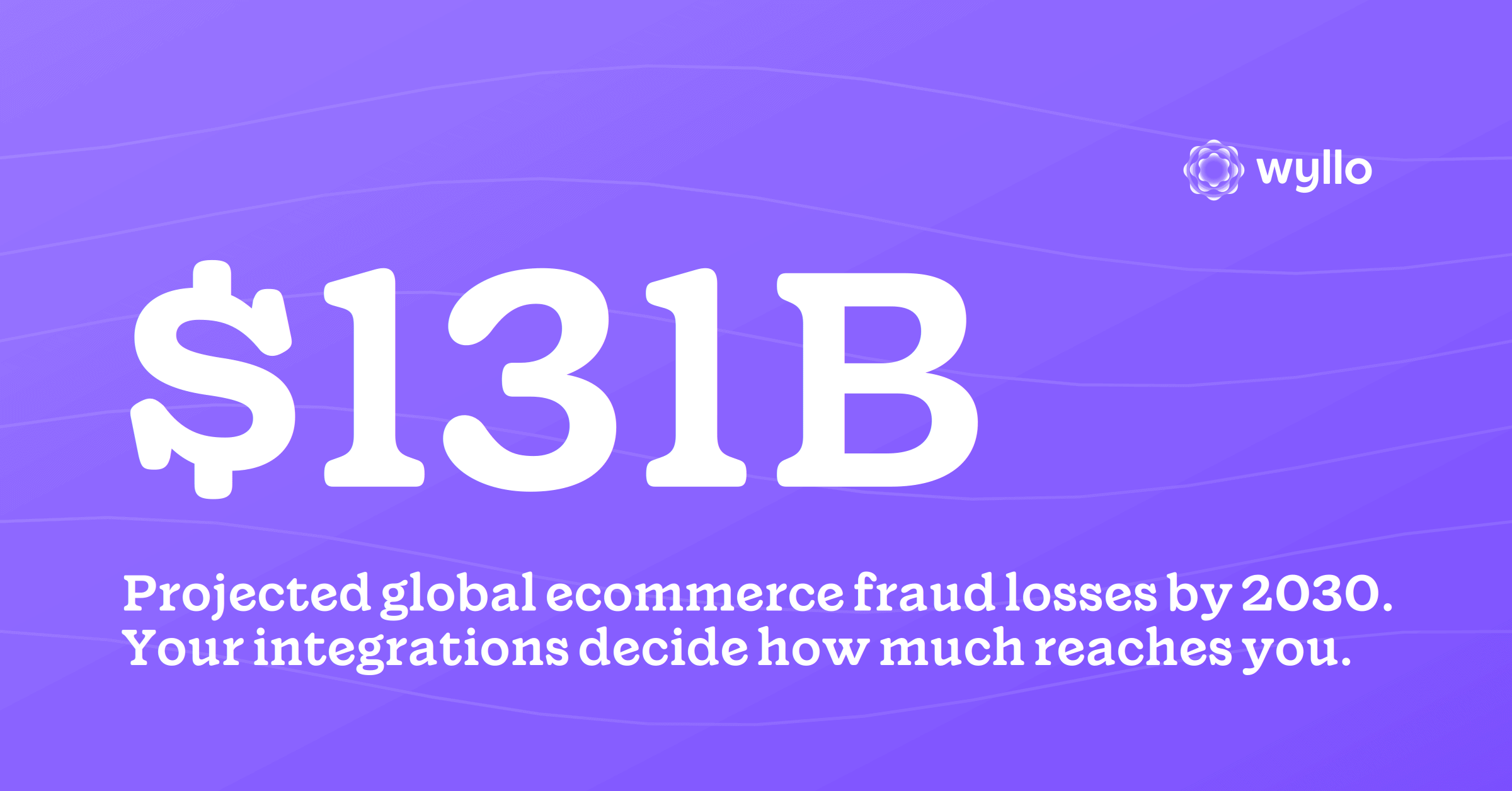
$0 orders are rarely a glitch. They’re usually a signal of something else happening on your store: card testing, promo abuse, bot exploitation of free-gift offers, or system-configuration gaps that let fraudsters slip through checkout without paying. Juniper Research forecasts global ecommerce fraud losses will reach $48 billion in 2025 and rise to $107 billion by 2029. A meaningful share of that starts with a $0 transaction nobody bothered to investigate.
This guide breaks down why $0 orders happen, what they actually indicate, the patterns that should raise alarms, and the practical playbook for preventing them without disrupting the legitimate offers (free gifts, free trials, promo bundles) that drive real revenue.
Why $0 Orders Get Placed
Six common reasons. Some are abuse; some are operational. Treating them all the same is the mistake.
1. Exploitation of Free-Gift Promotions
Free-gift tactics (“spend $100 and unlock a free gift”) work well as marketing levers. They also create a $0 product in your catalog that bad actors can find. Web crawlers locate the SKU, add it directly to a cart, and bypass the spend threshold. In severe cases, the same actor stacks hundreds of $0 gifts into a single order, paying only minimal shipping (a $10 ship fee on what should have been zero free gifts).
2. Bundle and Kit Configuration Side Effects
Many stores legitimately use $0 line items to assemble product bundles. A four-pan cookware set might appear in your system as one $200 line item plus three $0 line items so the order ships correctly with all four pans. Intentional. But if not properly protected, those $0 SKUs become exploitable.
3. Card Testing
Fraudsters use $0 transactions to validate stolen card data before deploying it on larger fraudulent purchases. A successful $0 charge confirms the card is active without triggering most velocity-based fraud alerts. Mastercard’s research on card testing shows roughly a third of global ecommerce merchants face active card-testing attacks, and the volume has climbed as fraudsters layer AI-driven automation into the workflow.
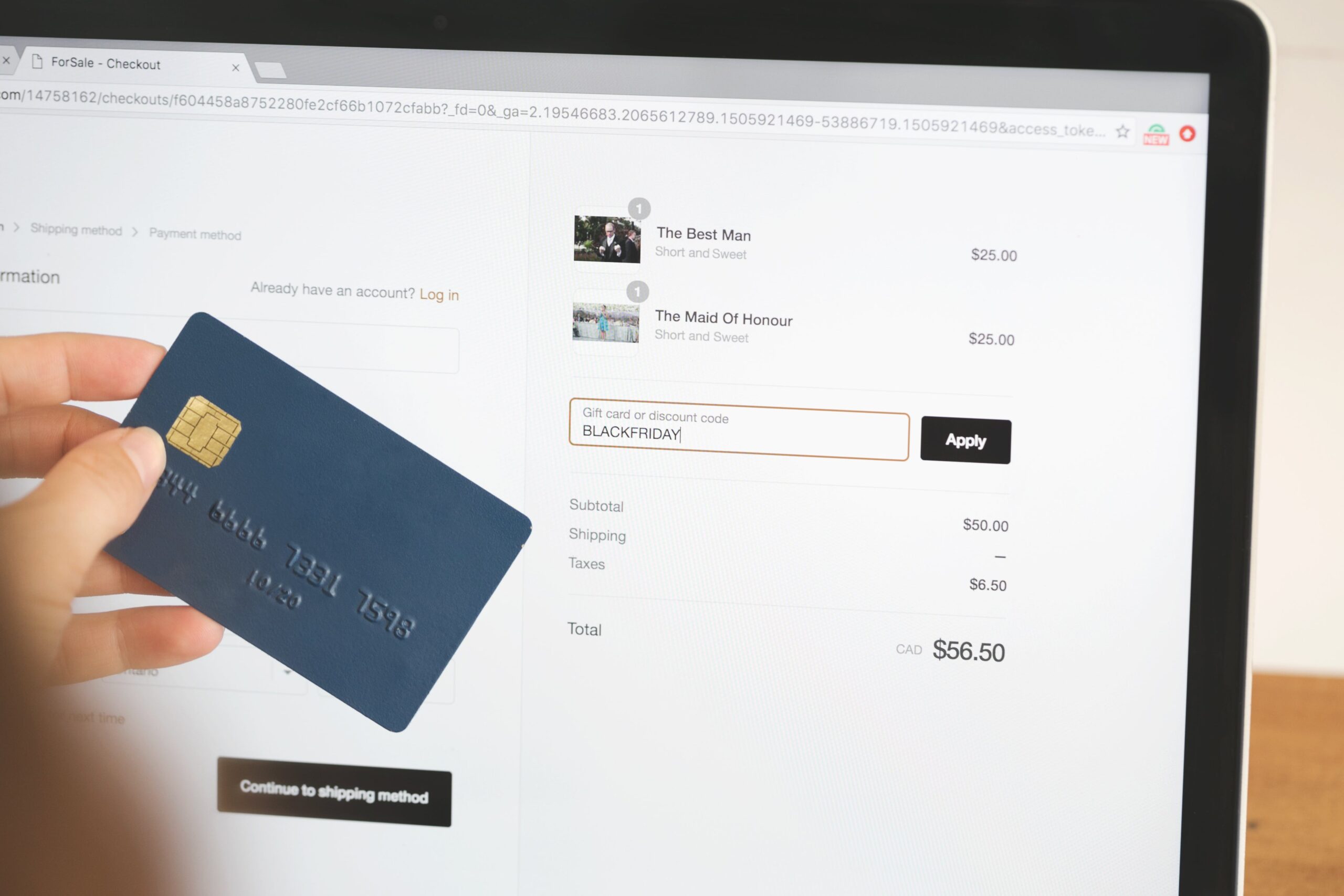
4. Promo Code and Gift Card Abuse
Shoppers (and operators running multi-account schemes) discover loopholes in your discount or gift card configuration that result in $0 checkout amounts. Stacked codes, expired-but-still-active codes, single-use codes applied multiple times.
5. Configuration and Workflow Gaps
System errors and overlooked settings sometimes let $0 orders process when they shouldn’t. Hidden products that weren’t supposed to be purchasable. Shipping rules that don’t enforce a minimum order value. Checkout configurations that miss an edge case. These usually surface as a slow trickle of weird orders that no rule catches.
6. Legitimate $0 Offers
Free samples, free trials, “buy this product and pay $0 for the trial subscription” patterns. These are real and intentional. The job is to separate the real ones from the abusive ones, not to block them all.
What Happens When $0 Orders Pile Up
The immediate cost of any single $0 order is approximately nothing. The downstream cost is significant.
Fraudulent chargebacks. If a card validated through your $0 test is then used elsewhere, the eventual chargeback cascade can come back to your statement when investigators trace the activity pattern.
Skewed analytics. A surge of $0 orders distorts your sales data, inventory forecasts, conversion funnels, and CAC calculations. Marketing teams optimize against bad data.
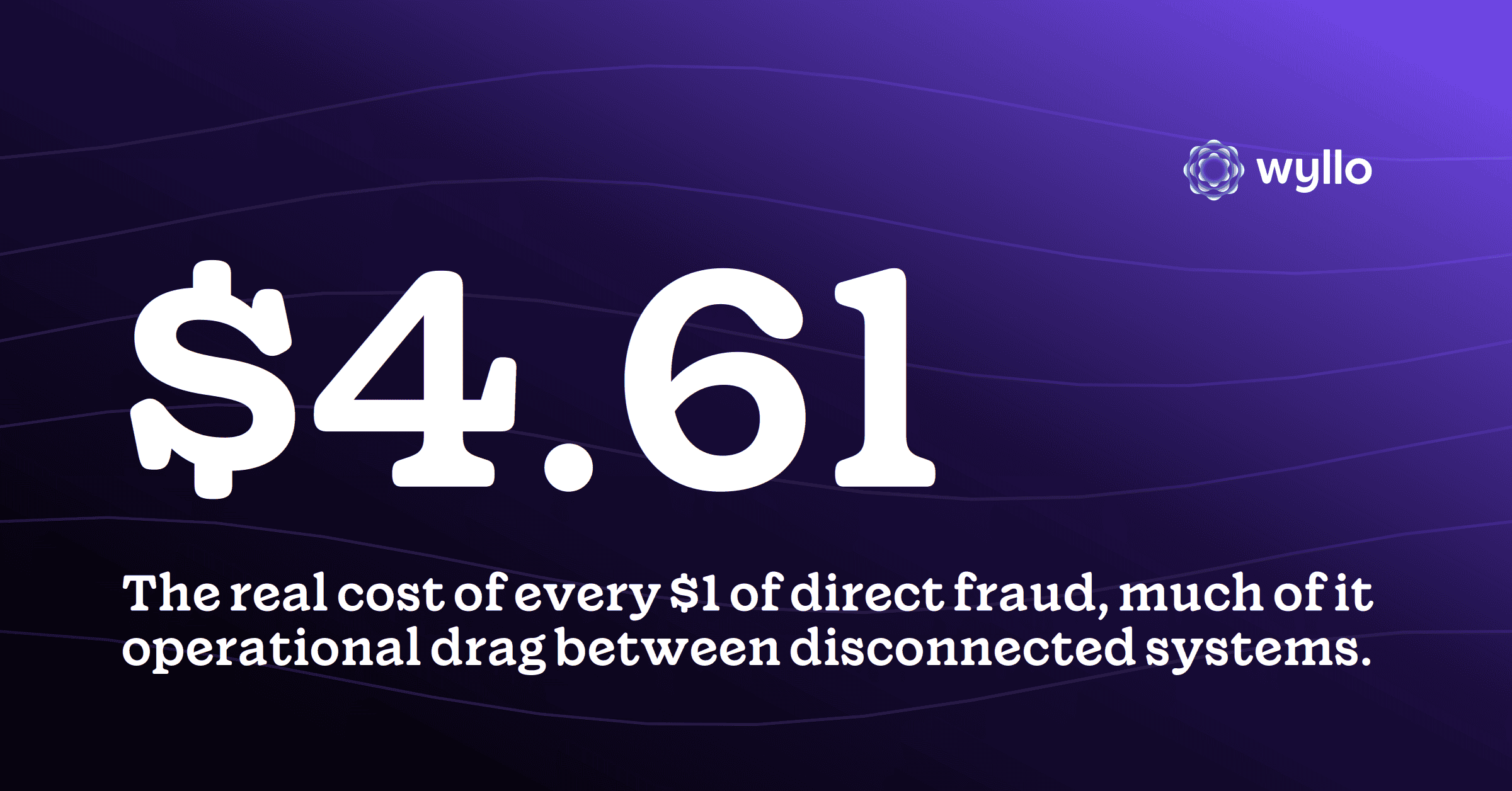
Operational drag. Customer service investigates “did this customer mean to place this order?” Finance reconciles the order to nothing. Engineering builds workarounds that should have been rules.
Reputational risk. Customers who notice anomalies (a spike of free-gift orders going to addresses near theirs, social-media posts bragging about how to game your promo) start questioning whether the store is well-run.
Key Signals: When $0 Orders Become a Real Problem
Occasional $0 orders happen naturally. The patterns to watch for:
- A sudden volume spike, especially over a short window.
- $0 orders clustering by geography or IP range. Same metro, same network, same proxy.
- Multiple payment attempts with slight variations in card details. Classic card-testing signature.
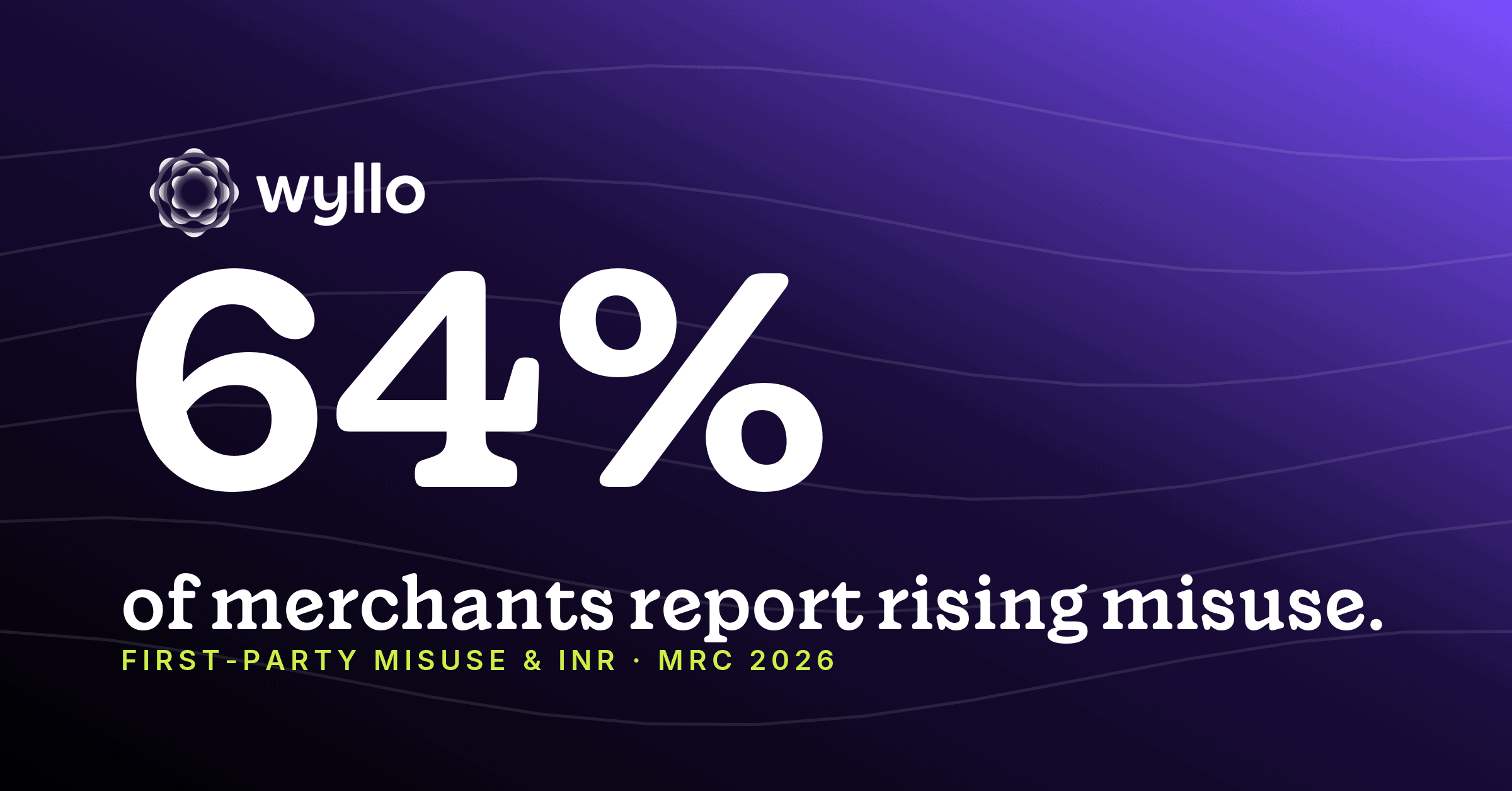
- Promo codes applied in ways your team didn’t anticipate. The MRC’s 2026 Global eCommerce Payments and Fraud Report found 64% of merchants now report rising first-party misuse, with refund and policy abuse displacing payment fraud as the #1 ranked fraud threat across ecommerce.
- Repeat order patterns from the same email, device, or address even when surface details vary.
One $0 order is data. A cluster of $0 orders is a problem.
The Bigger Picture: What $0 Order Abuse Actually Costs
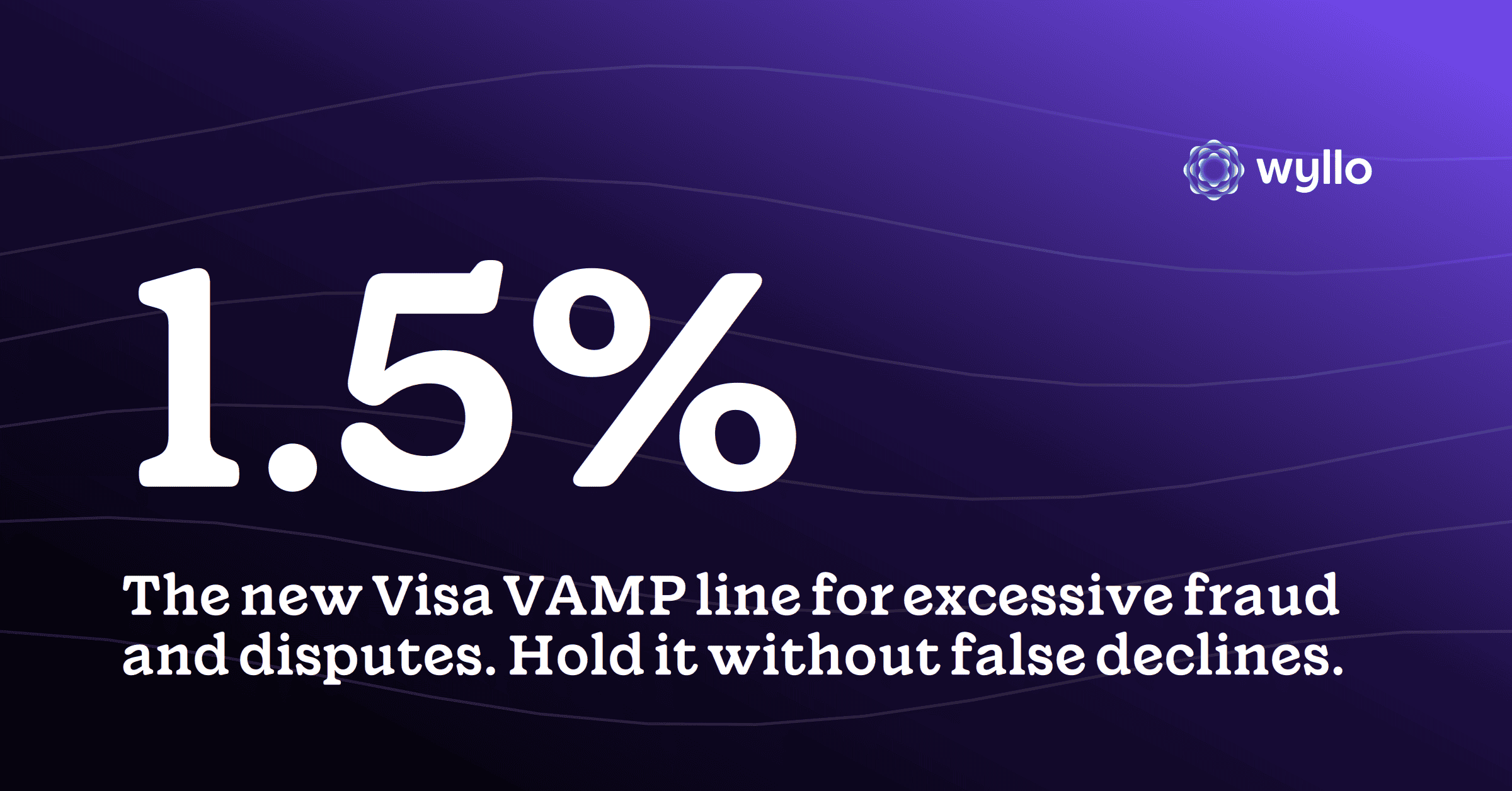
The financial impact compounds. Chargeback fees alone can reach several times the disputed transaction value when processor penalties, lost goods, and operational time are factored in. Mastercard’s 2025 analysis found a single chargeback can cost up to 3.4 times the original transaction. Persistent chargeback volume pushes merchants closer to Visa’s Acquirer Monitoring Program (VAMP) thresholds, where the merchant Excessive threshold is dropping to 1.5% in April 2026.
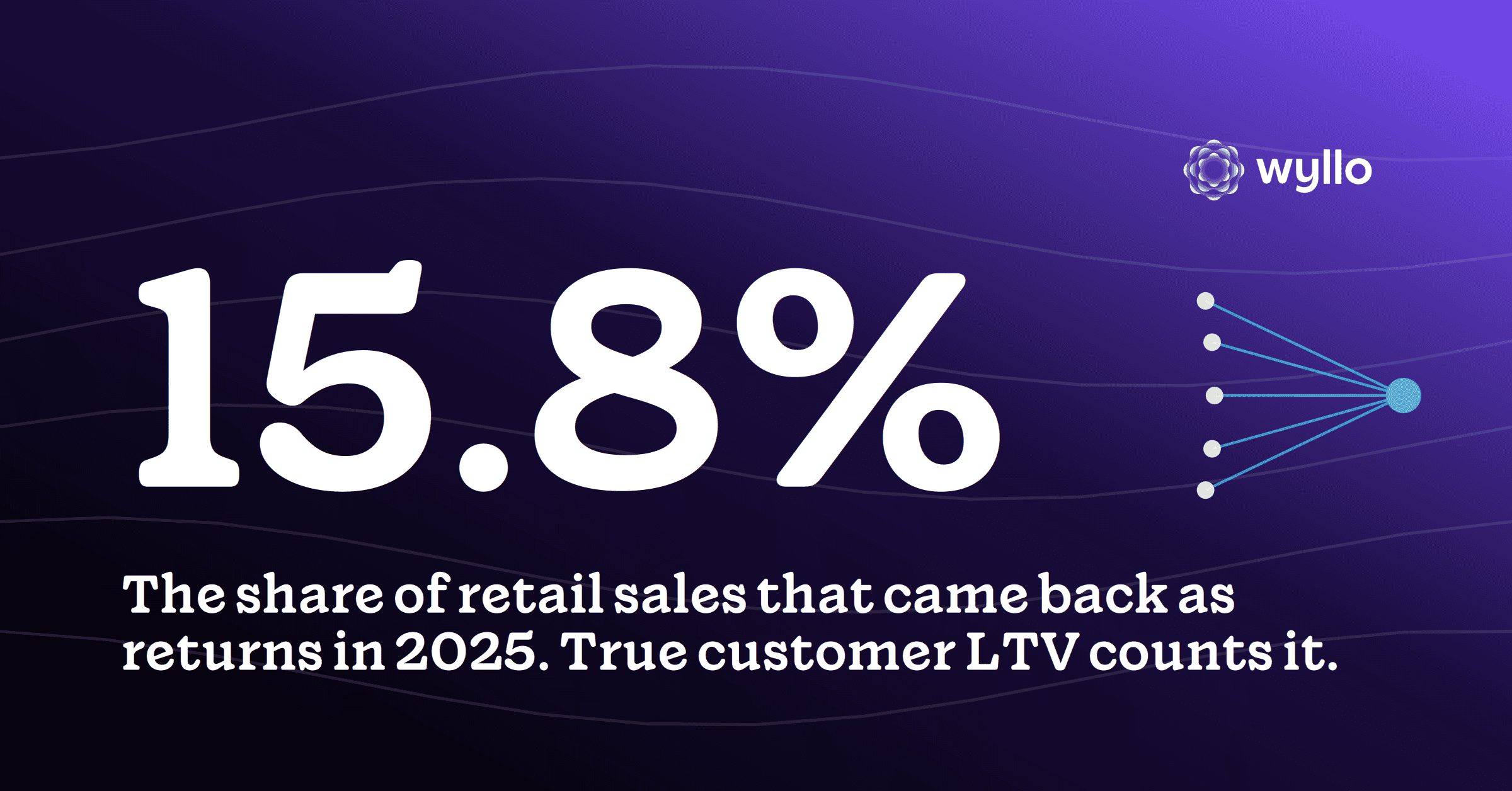
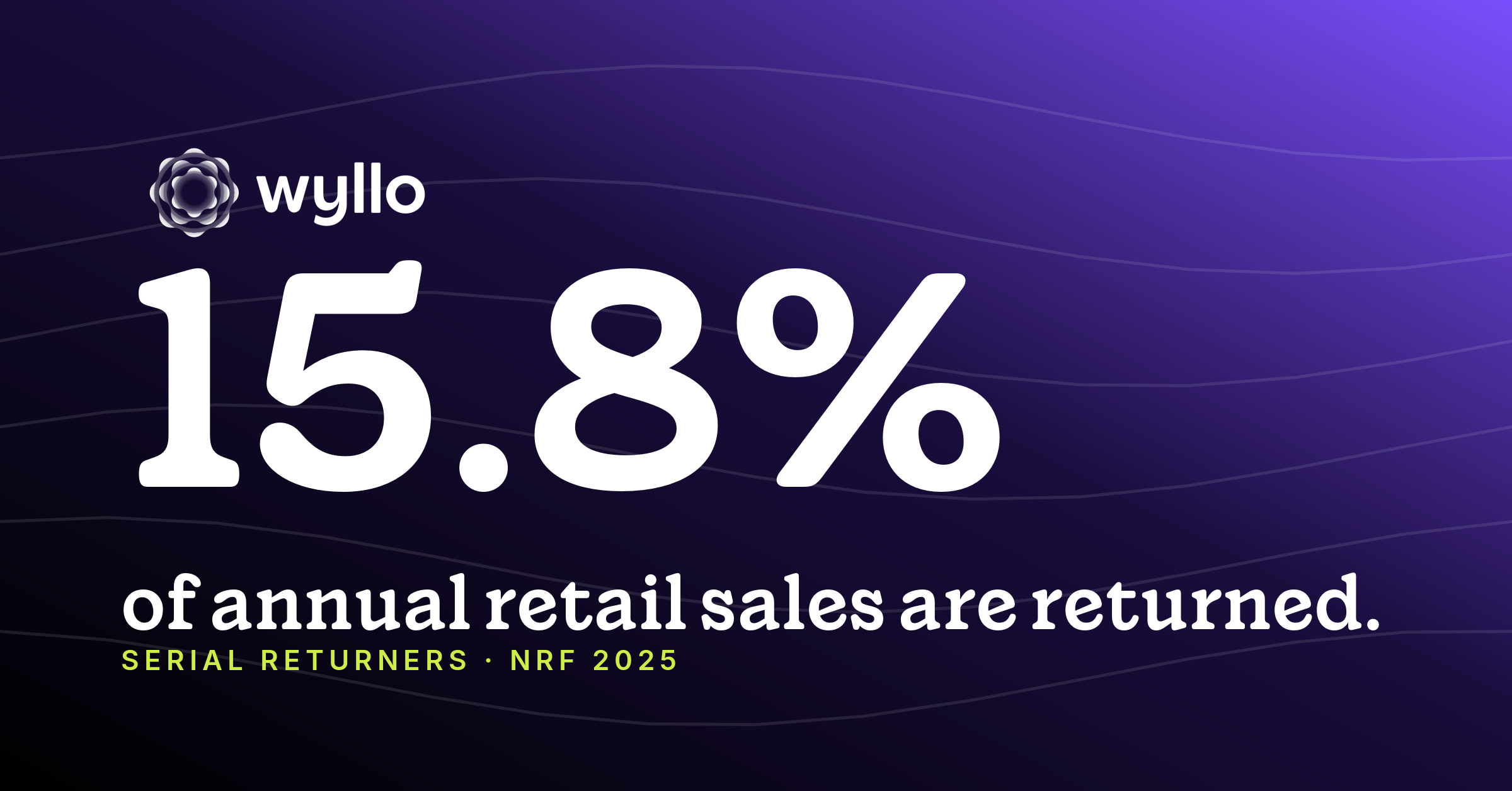
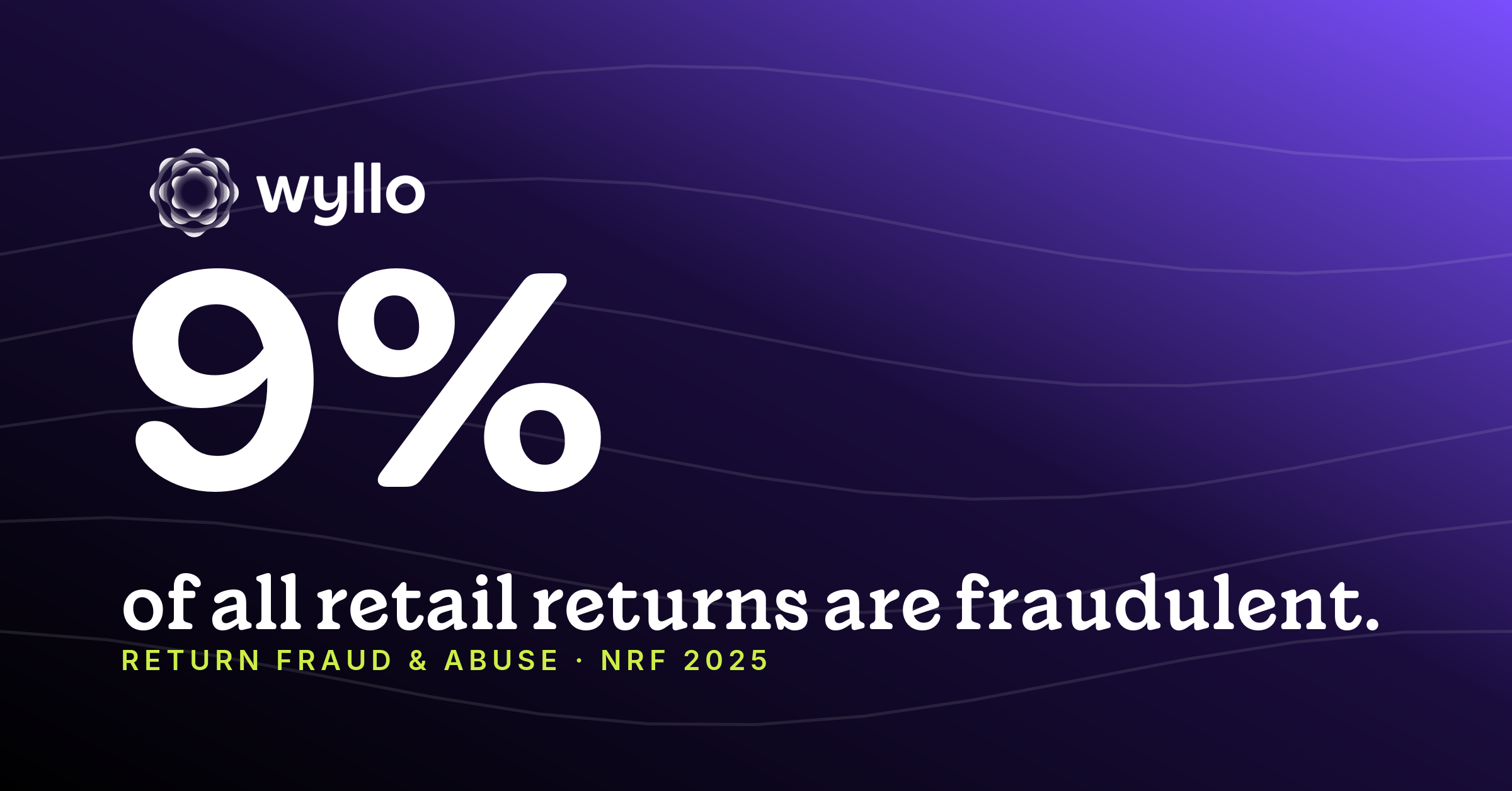
The broader category of refund and abuse fraud is now massive. Optoro’s analysis with NRF data put US retail returns fraud and abuse at roughly $103 billion in 2024, with promo and policy abuse contributing a meaningful share.
Beyond the direct losses, successful card testing often escalates. The card validated on your $0 order gets deployed on a high-value purchase elsewhere, or used in an account-takeover attack on a different merchant. TransUnion’s H1 2026 fraud trends report shows a 37% year-over-year increase in the account takeover suspected digital fraud rate, much of which traces back to credential validation that happens earlier in the cycle.
How to Prevent Abuse of $0 Orders
A layered approach works best. No single control catches everything; the combination is what scales.
Deploy Risk Intelligence That Catches Card Testing
The strongest defense against card testing is a fraud platform that detects the pattern in real time and blocks suspect activity before it escalates. Wyllo Payment Fraud Protection pairs AI-driven decisioning with human fraud experts who catch the cases where merchant-specific context matters most. Higher approval rates on real customers, stronger catch rates on coordinated attacks. The combination produces both.
Review Workflow Configurations Quarterly
Many $0-order vulnerabilities live in overlooked configuration rather than in your fraud tool. Walk the checkout process yourself. Audit promotional rules. Verify hidden products aren’t accessible through direct-URL access. Confirm shipping settings handle edge cases. Confirm that your bundle SKUs that legitimately show $0 line items can’t be added to carts independently. Small adjustments here close significant exposure.
Monitor Promo Code Usage Closely
Promo codes are one of the most heavily abused surfaces in ecommerce. Audit usage patterns regularly. Set clear parameters for how and when codes can be applied. Limit per-customer redemption. Watch for coordinated usage across what appear to be unrelated accounts. Wyllo Claim and Policy Abuse Prevention is specifically built to catch the policy and promo manipulation patterns that traditional payment-fraud tools miss.
Catch the Bots Before They Find the $0 SKUs
The web crawlers that find your $0 gift products usually announce themselves through behavior before they cause real damage. Wyllo Bot and Reseller Detection uses device, network, telemetry, and behavioral signals to identify automated activity (including the alias-account patterns that try to disguise themselves as legitimate shoppers) before they can systematically exploit free-gift loopholes.
Block Repeat Offenders
Fraudulent $0-order activity usually comes from a small number of repeat actors. Use risk intelligence tooling to flag and block suspicious accounts, IP addresses, and devices that show consistent abuse patterns. The same actor will rarely change every signal at once; behavioral fingerprints are sticky.
How Wyllo Helps with $0 orders
The thread connecting card testing, promo abuse, bot-driven free-gift exploitation, and configuration gaps is the same: $0 orders are a leading signal that something larger is happening on your store. Wyllo, the CX-first risk intelligence platform, was built around exactly this kind of connected pattern recognition.
Three products do the most work against $0-order abuse:
- Wyllo Payment Fraud Protection catches card testing and the stolen-card transactions that follow it, with AI plus human expert review.
- Wyllo Claim and Policy Abuse Prevention catches the promo-code and policy-exploitation patterns that produce $0 checkout amounts.
- Wyllo Bot and Reseller Detection spots the bot patterns behind systematic free-gift abuse and coordinated promo gaming.
Precision over paranoia. Less reaction. More reason. Designed to think ahead so $0 orders become a signal you act on instead of a curiosity you ignore.
Frequently Asked Questions
Are $0 orders always fraudulent?
No. Free samples, free trials, free gifts inside intentional bundles, and legitimate promo redemptions can all produce $0 totals. The job is to distinguish legitimate $0 orders from suspicious ones based on patterns: clustering by IP or device, velocity, repeat actors, and atypical product combinations.
Why do fraudsters use $0 orders?
Mostly to test stolen credit card data. A successful $0 transaction confirms a card is active and processable without triggering velocity-based fraud alerts. Once validated, the card is used elsewhere for larger fraudulent purchases or sold on the dark web.
What is card testing?
Card testing (or carding) is the practice of running small or no-charge transactions on websites to validate stolen credit card numbers before deploying them on larger fraudulent purchases. Mastercard’s research shows roughly a third of global ecommerce merchants are affected by card-testing attacks.
How do I tell legitimate $0 orders from abusive ones?
Pattern recognition. Legitimate $0 orders tend to fit the customer’s history, ship to addresses you’d expect, come from known devices, and respect the rules of the promotion that produced them. Abusive $0 orders cluster by IP, device, or address, often happen in volume, and frequently sit alongside other suspicious activity (multiple payment attempts, atypical product combinations, new accounts placing large orders immediately).
How big is the broader fraud-and-abuse problem in 2026?
Significant and growing. Juniper Research forecasts global ecommerce fraud losses at $48 billion in 2025, rising to $107 billion by 2029. Optoro and NRF data put US returns fraud and abuse at $103 billion in 2024. The MRC’s 2026 report put refund and policy abuse at the top of the fraud-threat list for the first time.
What’s the fastest first step to reduce $0-order abuse?
Audit your promo code and free-gift configurations end to end. Most $0-order abuse exploits configuration gaps that a careful review surfaces. Pair that with a risk intelligence layer that watches for the patterns (clustering, velocity, repeat actors) you can’t catch manually.
Bringing It Together
$0 orders are not a curiosity. They’re a leading signal of card testing, promo abuse, and bot-driven exploitation that costs real money downstream. The merchants who handle them well treat them as data, audit their configurations regularly, and pair operational discipline with a risk intelligence layer that connects the patterns the human eye misses.
Curious how a CX-first risk intelligence approach would help you treat $0 orders as the signal they are? Start with Wyllo Payment Fraud Protection, or explore the broader Wyllo platform for connected intelligence across the full customer journey.