By Breanna Moreno, CX Architect at Wyllo
When a customer hits “Submit Return,” they usually expect a cold, automated email with a shipping label and a “thanks for nothing” vibe.
What they don’t expect is a brand that reaches out and asks: “How can we show up better for you next time?”
In my years scaling customer experience (CX) teams, I’ve realized that we often treat returns like a “cost of doing business.” We look at the numbers, we sigh, and we move on. But if you shift your perspective, your highest return segments aren’t just a drain on your margins, they are a roadmap for your brand’s success.
High Return Rates Pivot: From Defense to “Operational Empathy”
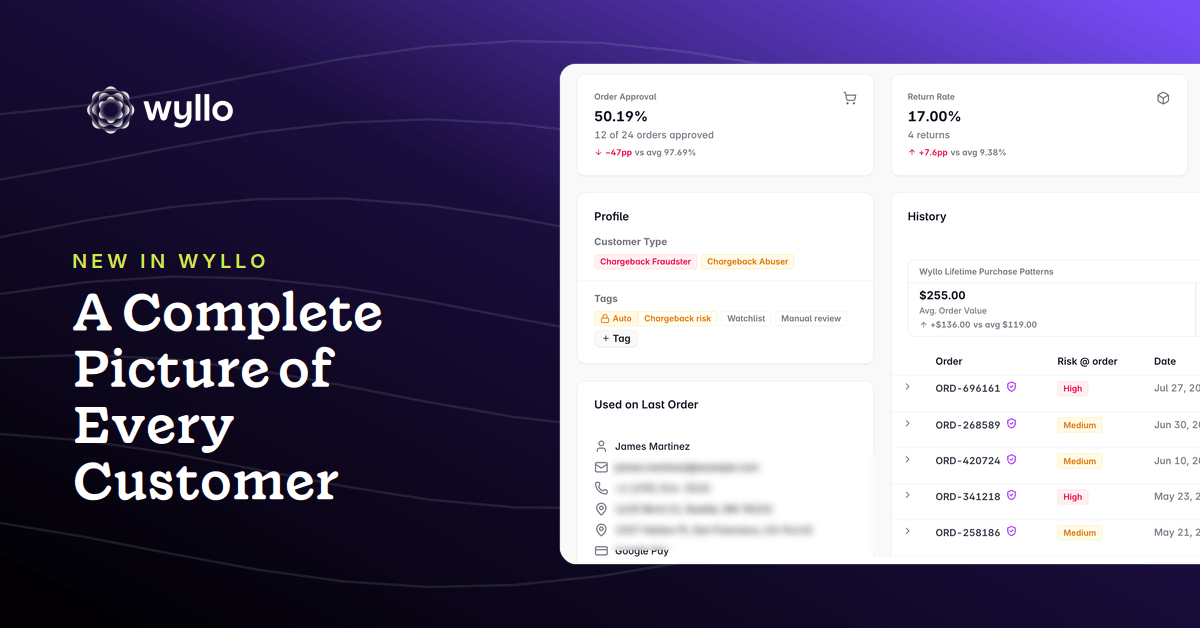
The goal isn’t just to minimize fraud; it’s to use proactive measures to elevate the experience. When we segment our data, using tools that consolidate a customer’s behaviors and patterns, we can identify two very different groups of “high-returners”:
The Fraudster: The one who is gaming the system.
The Frustrated Advocate: The one who wants to love your brand but can’t get the product to work.
If you treat both groups with “Standard Policy,” you lose twice. But if you use Proactive Outreach, you win twice.
The “Oops” Moment: A Story of Sizing and Silence
I remember a specific case where a customer had a return rate that made our finance team sweat. They were ordering, returning, and re-ordering the same items over and over. From a distance, it looked like a “serial returner” pattern.
But when we stopped looking at the dashboard and started a conversation, we found the truth: Our sizing chart was broken.
This customer didn’t want to return items; they were desperately trying to find a fit that worked. It turned out they needed a “Tall” size for the length, but our chart was leading them down a dead end. By reaching out proactively with personal sizing help, we didn’t just stop the returns; we fixed the chart for everyone and gained a customer for life.
The Power of Consolidating the Tech
This is where the tech side gets exciting. In the past, we were looking at a single brand’s Shopify dashboard in a vacuum. Now, with the advances in network intelligence, we can see the full picture.
We can understand how a customer likes to shop across the board.
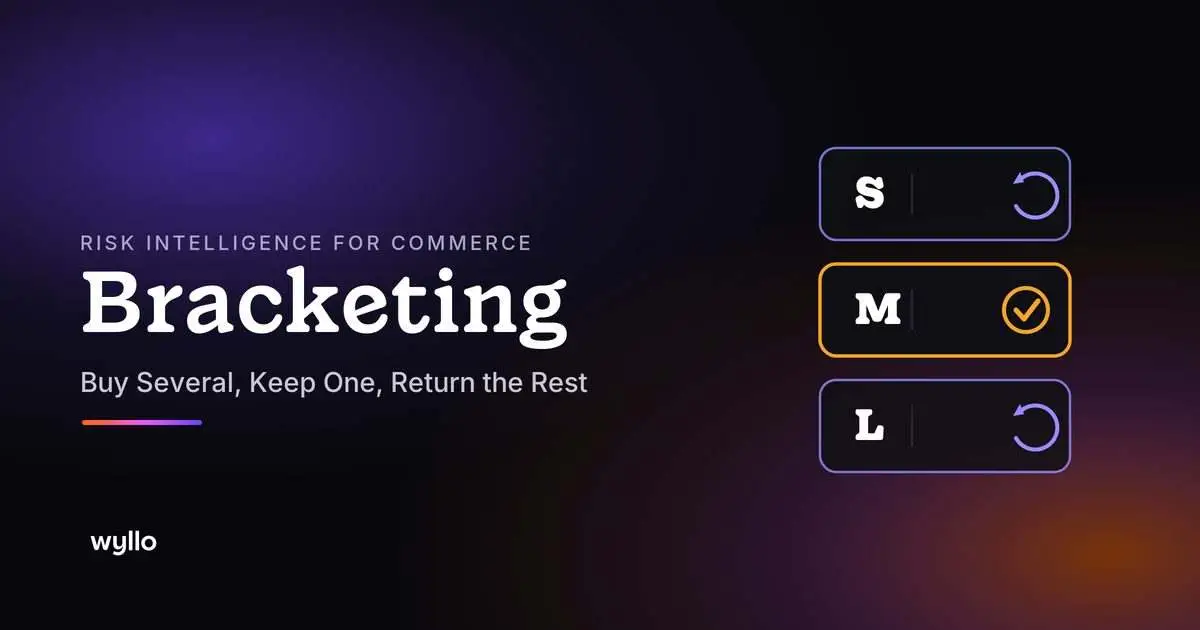
Are they a “bracket shopper” (buying three sizes to keep one)?
Are they genuinely encountering challenges with a specific product line?
When we consolidate these insights, we stop guessing. We can reach out after an order delivers just to say, “Hey, we saw you’ve had some trouble with the fit of this collection in the past. Did this one arrive as expected?”
The Financial Win-Win
This isn’t just about “being nice.” High return rates impact revenue and growth. Every return we prevent through proactive education or personalized outreach is pure margin back in the brand’s pocket. By listening to the “problem” segments, we identify product flaws, website errors, and shipping gaps that, once addressed, drive down costs for the entire company.
The Takeaway on High Return Rates
Our goal as CX leads is to impact the experience for the better. Sometimes, the most “impactful” thing you can do is realize that a high return rate isn’t a customer problem, it’s a communication opportunity.
When you solve for the human, the financial success follows.