Last updated May 14, 2026 with current FTC scam data, refreshed bot-traffic statistics, and a trust-led playbook for keeping limited releases fair to the customers you actually want to reach.
Product drops have become a cornerstone strategy for brands that want to manufacture excitement and exclusivity around a release. Limited quantity, short window, big build-up. Done well, they generate the kind of buzz a normal launch can’t match. Done poorly (or unprotected), they invite a different kind of attention.
The economics of the dark side are no longer hypothetical. F5 Labs documented a sneaker bot operation that earned $2 million in profit from a single shoe drop. Nike has publicly stated its SNKRS app sees 10% to 50% of raffle entries from bots, and the company blocks roughly 12 billion bot calls per month attempting to game its launches. During high-demand drops, automated traffic can reach 2,163 times the level of human traffic; for certain major retailer events, 99.8% of total checkout traffic has been measured as automated.
The result is predictable: legitimate customers can’t get the product, fraudsters profit from artificial scarcity on the resale market, and the brand absorbs the damage to its reputation. Below is a clearer picture of how product drop fraud actually works, the impact on retailers and consumers, and the playbook for keeping drops fair without killing the buzz that makes them work.
What Are Product Drops?
Product drops are a release strategy where a brand makes a limited quantity of an item available for a short window, usually with carefully timed pre-release marketing. The category started in sneakers, streetwear, and luxury, and has since moved into beauty, tech, lifestyle, and even consumables.
The appeal cuts both ways. For brands, drops drive social attention, customer acquisition, direct engagement, and quick demand-signal data on new products. For shoppers, they offer access to something rare and a feeling of being part of the audience the brand cares about most. For fraudsters, they offer concentrated demand, predictable timing, and a built-in resale market.
The model borrows from event ticketing, which has dealt with hype-driven demand, scalping, and resale markups for decades. The challenges are similar; the difference is that an ecommerce site is exposed to far more automation than a physical box office. Bots scale; people don’t.
How Product Drops Are Exploited by Fraudsters
Four patterns dominate.
Bots Buying in Bulk and Reselling at a Markup
The original sin of drop fraud. Sophisticated bots bypass site safeguards, simulate hundreds or thousands of distinct shoppers, and clear inventory in the first seconds of a release. The same actor then lists the items on secondary marketplaces at a multiple of retail.
The economics for the brand are awful: the items “sold out” instantly (great optics) but the real fans never had a chance, and the items they eventually buy go through resale at markups the brand never sees. The economics for the bot operator are dramatic enough to support entire businesses. F5’s research on the $2 million single-drop profit is one data point among many.
Phishing Sites and Fake Storefronts
Fraudsters spin up fake versions of legitimate retail sites or marketplace listings claiming to have inventory from a sold-out drop. Shoppers enter payment information for an order that never ships. The shopper loses the money. The brand sometimes hears about it later when frustrated customers reach out about an order that doesn’t exist in the merchant’s system.
The FTC’s 2024 Consumer Sentinel Network data shows online shopping is one of the most reported fraud categories, and shopping scams were the most common social-media-originated scam type. More than 40% of people who lost money to a social media scam said they ordered something they saw advertised on a social platform.
Counterfeit Goods Following the Drop
Once a drop sells out and resale prices climb, counterfeit producers fill the gap with knock-offs sold at a small discount to the inflated resale price. The fakes look close enough to fool the customers who missed the original drop and are now desperate.
The brand damage compounds slowly: every counterfeit in circulation dilutes the brand’s exclusivity, frustrates the real customers who eventually realize they were duped, and creates support-ticket volume that has nothing to do with anything the merchant actually sold.
Account Takeover (ATO) for Drop Access
Fraudsters compromise legitimate customer accounts and use them to make purchases during the drop, leveraging stored payment information, saved shipping addresses, and (critically) the established account history that helps the order look trustworthy to a transaction-level fraud system. The legitimate account holder discovers the issue when they check their statement or wonder why a drop they queued for was charged to their card but shipped somewhere else.
ATO is one of the fastest-rising fraud categories overall. TransUnion’s H1 2026 fraud trends data shows a 37% year-over-year increase in the ATO suspected digital fraud rate.
The Impact on the Ecommerce Ecosystem
What Retailers Lose
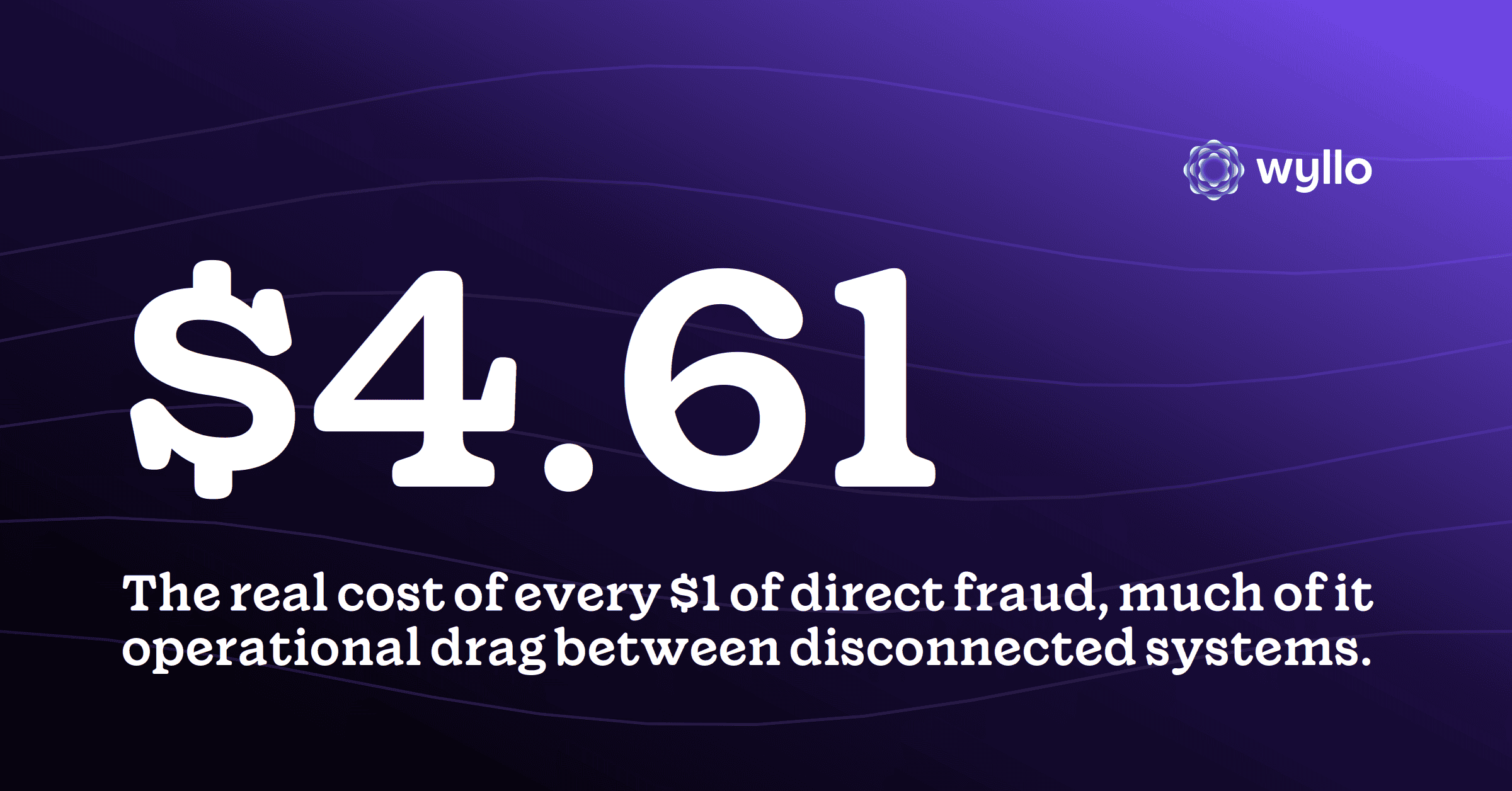
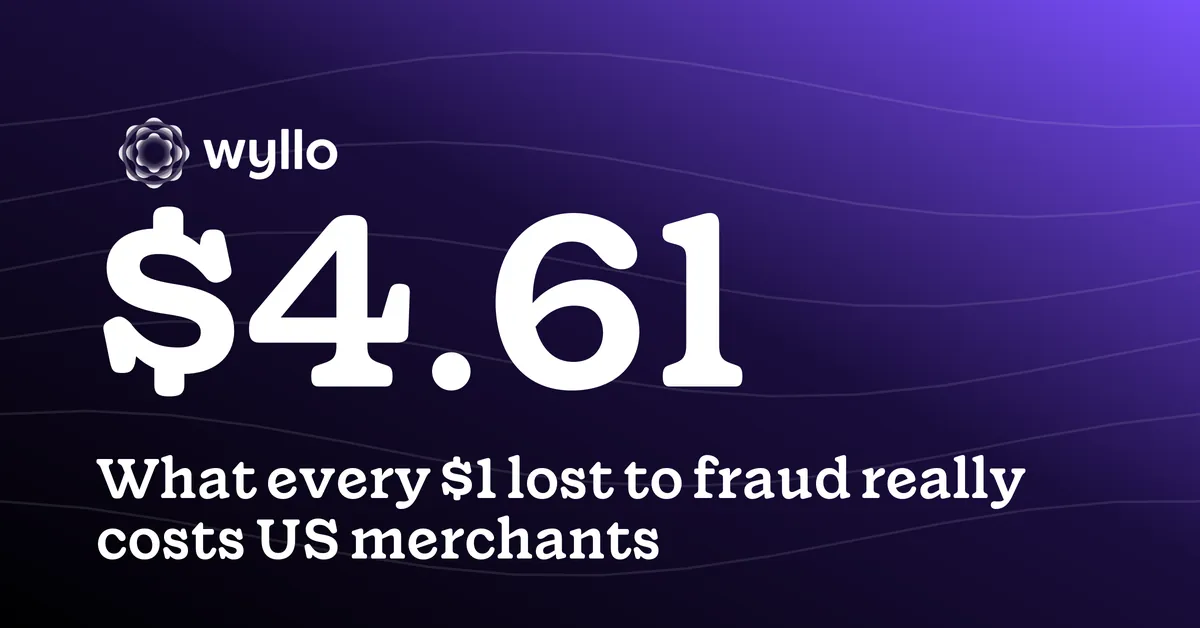
Direct revenue and margin. Chargebacks tied to fraudulent purchases, the operational cost of building anti-bot defenses, and the lost economics on inventory that sold but didn’t reach a real customer. The total cost of fraud has climbed sharply: LexisNexis Risk Solutions’ 2025 True Cost of Fraud study puts US retail and ecommerce merchants at $4.61 in total cost for every $1 of fraud lost, up from $3.00 in the prior year’s study.
Customer trust. PwC’s 2024 Voice of the Consumer survey found only roughly four in ten consumers are willing to forgive a brand after a bad experience, even if the brand fixes the issue. For drop-driven brands that rely on hype and earned audience loyalty, that fragility is amplified.
Operational drag. Customer service handling angry-fan emails. Risk teams reverse-engineering bot patterns. Engineering racing to patch checkout exploits. Finance processing chargeback after chargeback. Every minute spent here is a minute not spent on the next launch.
What Customers Lose
The drop itself. When 99.8% of checkout traffic is automated and bots win the inventory in seconds, real customers walk away with nothing. Over time, those customers stop tuning in. Worse, they tell friends.
Money to scams. Fake storefronts and counterfeit listings take advantage of the FOMO that drops are designed to create. Shoppers who couldn’t get through legitimate channels start exploring secondary listings, and that’s where the scams wait. The FTC’s 2024 fraud data puts consumer fraud losses at $12.5 billion last year, up 25% year over year.
Resale market markup. The customer who really wants the product and decides to pay the inflated resale price ends up paying the bot operator’s tax. They blame the resellers, but they often also blame the brand for not protecting access.
How to Prevent Fraud When Launching Product Drops
A drop-protection program is a system of controls, not a single tool. The merchants who run drops cleanly stack several of the following:
Advanced Bot Detection and Behavioral Analytics
Modern bot detection looks well past CAPTCHA. Behavioral signals (mouse movement patterns, scroll velocity, device telemetry, network fingerprints, account-creation timing), combined with merchant-specific context (which devices are normal for your customer base, which IP ranges legitimately use your site), are what separates effective bot defense from a frustrating friction layer.
Wyllo Bot and Reseller Detection is built for exactly this. Device, network, telemetry, and behavioral signals identify fraudulent accounts and masked identities, including alias accounts that try to hide reseller intent. Stop the bot before checkout and the rest of the drop runs cleaner.
Per-Customer Purchase Limits Tied to Verified Identity
Limit purchases per customer account. Tie purchases to verified accounts so the same identity can’t quietly buy through 50 fake accounts. Require two-factor authentication on account creation; Microsoft and Google research shows 2FA blocks roughly 99.9% of automated account attacks. Watch for the cluster patterns (similar names, similar emails, common payment instruments, common shipping geographies) that reveal one operator behind many “accounts.”
Virtual Queues
Assign every visitor a place in line. Queues smooth the load on your infrastructure, neutralize the speed advantage bots usually have, and create a fair process customers can see. Most third-party queue providers offer reasonable integrations.
Encrypted or Randomized URLs
Drop pages should not be guessable. URLs distributed via authenticated email, app push, or other direct channels (rather than discoverable in your site’s navigation) are much harder for bots to scrape and target.
Sell Through Owned Channels Only
Resist the urge to list drops on third-party marketplaces during the release window. Owned channels (your site, your app, your verified social pages) give you control over customer experience, purchase data, and fraud signals. Once the drop is on a marketplace, you’ve outsourced your decisioning.
Partner With a Risk Intelligence Platform That Customizes for Your Patterns
Generic rules won’t catch the patterns specific to your business, your customer base, and your most-attacked SKUs. The strongest drop-protection programs pair the off-the-shelf controls above with merchant-specific risk decisioning that adapts as the patterns shift. That is the role Wyllo plays as the CX-first risk intelligence platform, with Bot and Reseller Detection as the natural anchor for drop work, Payment Fraud Protection screening the transactions that do reach checkout, and Claim and Policy Abuse Prevention catching the ATO patterns that hide inside legitimate-looking accounts.
Keep Drops a Safe Shopping Experience
Product drops can be one of the most exciting moments in a brand’s calendar. Done well, they generate the kind of community energy a normal launch can’t match. Done poorly, they hand that energy to fraudsters.
Three habits separate the brands that keep drops fair:
- Communicate transparently with customers. Tell them what channels are official, what to watch for in fake listings, and what you’re doing to protect access. Transparency builds the kind of trust that makes shoppers come back to your channels rather than the resale market.
- Monitor and learn from every drop. Capture data on order patterns, account-creation patterns, device fingerprints, and post-drop chargeback flow. Each launch should make the next one harder to game.
- Treat risk intelligence as a launch ingredient, not a post-launch cleanup. The biggest wins come from preventing the bots from clearing inventory in the first place, not from prosecuting them afterward.
Precision over paranoia. Designed to think ahead. Built for the customers who actually want what you’re making.
Frequently Asked Questions
What is product drop fraud?
Product drop fraud is the use of bots, fake storefronts, counterfeit goods, or account takeover to exploit limited-edition product releases. The most common pattern is bots clearing inventory in the first seconds of a drop and reselling at a markup. Secondary patterns include phishing sites mimicking the brand, counterfeit goods filling the gap after sellout, and ATO attacks using legitimate customer accounts to purchase during the release window.
How big is the bot problem in sneaker and streetwear drops?
Significant. Nike has stated 10% to 50% of SNKRS app raffle entries come from bots, and the company blocks roughly 12 billion bot calls per month. For major drops, automated traffic has been measured at over 99% of total checkout traffic. F5 Labs documented a single sneaker bot operation that profited $2 million from one shoe drop.
How can a brand prevent bots from buying out a drop?
Layer the defenses. Advanced bot detection with behavioral analytics, virtual queues to neutralize the speed advantage, per-customer purchase limits tied to verified identities, two-factor authentication on accounts, encrypted or randomized drop URLs, and a risk intelligence partner who customizes for the patterns specific to your business. No single control catches everything; the combination is what works.
What is the impact on real customers when bots win product drops?
Two-fold. First, real customers walk away empty-handed despite genuine interest, which erodes long-term engagement with the brand. Second, customers who still want the product face inflated resale prices, fake listings, and counterfeit goods. Both outcomes damage trust. PwC’s 2024 consumer survey found only about four in ten consumers will forgive a brand after a bad experience, even if it gets resolved.
Are product drops still worth running given the fraud risk?
Yes, with the right protection. Drops remain one of the highest-engagement formats in ecommerce. The brands seeing durable results pair the marketing model with a risk intelligence layer that protects access, captures pattern data across launches, and learns over time. The fraud risk is real, but it’s manageable.
How does ATO relate to drop fraud?
Fraudsters use compromised legitimate accounts to make purchases during drops, leveraging stored payment information and trusted account history that helps the order look clean to transaction-level fraud screening. ATO is rising fast across the category — TransUnion’s 2026 data shows a 37% YoY increase in the ATO suspected digital fraud rate. Catching ATO upstream is one of the highest-ROI defenses for drop-driven brands.
Bringing It Together
Drops are an enormous opportunity and an enormous target at the same time. The brands that get the most out of them treat fraud prevention not as a defensive measure but as part of the launch playbook itself, on the same level as marketing, inventory planning, and CX. Layer the right controls, partner with a risk intelligence platform that learns across drops, and protect the customers who actually want what you’re making.
Curious how a CX-first risk intelligence approach helps you keep your next drop fair? Start with Wyllo Bot and Reseller Detection, built for exactly this pattern, and explore the broader Wyllo platform for connected risk intelligence across the full customer journey.