Last updated May 14, 2026 with current MRC and Javelin fraud-trend data, refreshed ATO statistics, and a trust-led approach to spotting subscription abuse without losing real subscribers.
Subscription commerce has quietly become one of the most resilient business models in ecommerce. The economics are well understood at this point: once a customer is acquired, they tend to buy repeatedly when subscribed, and Bain & Company’s research on customer retention shows a 5% retention lift can drive 25% to 95% profit growth. Subscription businesses have grown more than 435% over the past decade, fueled by set-it-and-forget-it convenience for everyday goods paired with the flexibility to skip, swap, or cancel.
That growth has not gone unnoticed by fraudsters. Subscription businesses now sit at the intersection of three rising threat categories: account takeover, policy abuse, and first-party (friendly) fraud, with the added wrinkle that recurring payments make every successful exploit compound month over month. The Merchant Risk Council’s 2025 Global eCommerce Payments and Fraud Report named refund and policy abuse the #1 fraud threat across ecommerce, displacing transaction-level payment fraud at the top of the list for the first time. For subscription merchants specifically, that finding lands hard: their entire model is built on policies that fraudsters now know how to game.
This guide breaks down what subscription fraud actually looks like, the patterns to watch for, and how to defend against it without making the experience worse for the trusted subscribers who keep the business growing.
What Is Subscription Fraud?
Subscription fraud is the use of deceptive tactics to exploit subscription models, recurring payments, or the platforms that power them, with the goal of obtaining goods or services without genuine intent to pay. It spans individual bad actors abusing free trials, organized rings exploiting subscription tools at scale, and friendly fraud where ordinary shoppers dispute legitimate recurring charges.
Subscription fraud is rarely a single attack pattern. It’s usually a stack of tactics layered together: stolen identity to open an account, stolen card data to fund it, a manipulated trial to extract value, and a chargeback to walk away with both the product and the money.
Types of Subscription Fraud
Five patterns show up most consistently across subscription merchants:
Account Takeover (ATO)
Fraudsters gain unauthorized access to a legitimate subscriber’s account, usually by leveraging credentials from a breach, credential-stuffing attacks, or social engineering. From there they may change delivery addresses, redirect shipments, drain stored payment instruments, or quietly resubscribe a previously canceled account in the hope the genuine owner doesn’t notice.
ATO is one of the fastest-rising fraud categories. TransUnion’s H1 2026 fraud trends report shows a 37% increase in the ATO suspected digital fraud rate between 2024 and 2025. Javelin Strategy & Research estimated ATO accounted for roughly $16 billion of the $27 billion in US identity fraud losses in 2024 — making it the single largest identity-fraud category. Entertainment streaming subscriptions are particularly exposed because widespread password sharing makes anomalous logins harder to distinguish from legitimate use.
Payments and Credit Card Fraud
Stolen or synthetic card data used to open subscriptions, often with the intent to extract value before the genuine cardholder notices and disputes the charges. The recurring nature of subscriptions amplifies the exposure: a single successful signup can drive multiple months of fulfillment before the chargeback cascade hits.
A related pattern is reseller fraud, where fraudsters use stolen credentials to open subscriptions specifically to access goods or content that can be resold on secondary markets.
Sign-Up and Cancel Abuse (Trial and Promo Abuse)
Fraudsters exploit free trials, introductory pricing, and promotional offers by repeatedly signing up under fake identities, disposable emails, and rotating card numbers. The goal is to extract the introductory value indefinitely without ever paying full price. At scale, this drains marketing budgets, distorts attribution, and quietly inflates fulfillment cost.
A close cousin is first-party (friendly) fraud, where a shopper signs up legitimately, receives the product, then disputes the charge with their bank, claiming the recurring charge was unauthorized or that the value wasn’t as promised. Mastercard’s State of Chargebacks 2025 report found friendly fraud now accounts for more than 45% of all chargebacks.
Service Abuse
A broader category that includes using subscription access in ways that violate the terms of service: sharing account credentials with large groups, using a personal subscription for clearly commercial purposes, or stacking multiple accounts to circumvent usage limits. Less overtly fraudulent than the other types, but materially expensive at scale.
Rebill and Reactivation Abuse
A pattern many subscription merchants miss because their fraud screening is configured for new signups, not for recurring activity. Two common variants:
- Reactivated subscription abuse. A fraudster who has taken over an account quietly reactivates a previously canceled subscription, hoping the genuine owner doesn’t notice the resumed charges.
- One-click rebill abuse. Subscription merchants who offer “buy another now” between deliveries often forget to screen those one-click rebills with the same rigor as the initial purchase. Fraudsters press the button repeatedly to drain inventory.
Subscription Fraud by the Numbers
A few current data points that frame the urgency:
- Refund and policy abuse is now the #1 ranked fraud threat in the MRC’s 2025 Global eCommerce Payments and Fraud Report. Real-time payment fraud sits in second place.
- The MRC’s 2026 report shows merchants experienced an average of 3.7 distinct fraud attack types in 2025.
- TransUnion’s 2026 fraud trends data puts the ATO suspected digital fraud rate up 37% from 2024 to 2025.
- ATO losses crossed $16 billion in 2024 according to Javelin Strategy & Research, the single largest identity-fraud category.
- Friendly fraud now accounts for more than 45% of all chargebacks per Mastercard’s 2025 data, and up to 30% for high-volume online merchants.
The compound message: subscription merchants are exposed to all three of the fastest-rising fraud categories at once.
The Business Impact
Subscription fraud lands in four places at once:
- Financial loss. Chargebacks, refund cascades, and recurring fulfillment costs on accounts that will never pay.
- Operational drag. Disputed cases consume customer-service time, finance time, and engineering attention.
- Reputational damage. Compromised accounts erode shopper trust, and trust is what subscription commerce runs on.
- Compliance and program exposure. Merchants who breach Visa and Mastercard chargeback thresholds (now tighter under Visa’s Acquirer Monitoring Program) face escalating fees and, in extreme cases, loss of payment processing.
Subscription Fraud Prevention Best Practices
The trap most merchants fall into is treating subscription fraud as a single problem with a single fix. It isn’t. The strong defenses look more like a connected system of controls layered across the customer journey.
Fortify Account Access
- Add proportionate verification at signup. SMS or email verification, additional identity attributes for higher-risk signups, CAPTCHA where bots are a concern. Lighter friction for trusted signups, tighter checks where signals warrant.
- Enforce strong authentication on the account itself. Two-factor authentication blocks roughly 99.9% of automated attacks and essentially all bulk credential-stuffing attempts per Microsoft and Google research. Make it default for subscription accounts, not opt-in.
- Comply with payment security standards. PCI DSS at minimum, with proper tokenization of stored payment instruments to limit blast radius if an account is compromised.
Monitor Account Behavior and Recurring Activity
- Screen reactivations, not just new signups. The most common gap in subscription fraud programs is fraud tooling that only inspects initial orders. Recurring orders, reactivations, and one-click rebills should run through the same scoring as new transactions.
- Watch for rapid account changes. Unusual login patterns, sudden shipping-address changes immediately before a billing cycle, multiple failed payment attempts, or a flurry of account-creation activity from a single IP or device.
- Set velocity checks. Limits on signup rate, rebill rate, password attempts, and card retries. Most ATO and card-testing attacks announce themselves through velocity before they cause real damage.
- Audit fraud rules and exceptions monthly. The patterns shift fast. The rules from twelve months ago are usually quietly out of date.
Make Subscription Management Transparent
Easy-to-find cancellation, clear billing schedules, accurate delivery expectations, and proactive communication before each rebill all reduce friendly fraud chargebacks. Many “friendly fraud” disputes are actually frustrated shoppers who couldn’t find the cancel button or didn’t realize a charge was recurring. Removing that friction is one of the most effective and least technical defenses available. Pair it with a clear, multi-channel support path so shoppers can resolve issues with you rather than their bank.

The leading subscription management platforms in ecommerce include Recharge (which recently acquired Skio), Stay.ai, and Loop Subscriptions. Each handles the customer-facing subscription experience well; pair whichever you choose with a risk intelligence layer that screens recurring activity, not just first-time signups.
Educate Customers and Stay Current
- Raise account-security awareness. Strong, unique passwords. Phishing awareness. A clear escalation path for “is this charge from you?” inquiries.
- Keep tooling current. Fraud tactics evolve. The strongest defenses come from a risk intelligence partner that learns continuously across many merchants rather than a static rules engine that goes stale.
- Coordinate with payment processors. When chargebacks spike, fast representment and clear communication with acquirers can keep the business out of monitoring programs.
How Wyllo Helps
The thread connecting every type of subscription fraud is the same: signals that look isolated at the account level are connected at the journey level. Spotting the pattern across signup, behavior, payment, and lifecycle is what separates effective defense from expensive whack-a-mole.
Wyllo, the CX-first risk intelligence platform, is built around exactly this idea. For subscription fraud specifically, four products do the most work:
- Wyllo Claim and Policy Abuse Prevention catches account takeover, trial abuse, promo manipulation, and policy exploitation upstream, before they turn into refunds, chargebacks, or escalations. Since policy abuse is now the MRC-ranked top fraud threat for the category, this is usually the natural anchor.
- Wyllo Payment Fraud Protection screens new signups and recurring activity with AI-driven decisioning backed by human fraud experts. Critically, the screening covers rebills and reactivations, not just first-time signups.
- Wyllo Bot and Reseller Detection spots the multiple-account-creation patterns behind trial abuse, promo abuse, and coordinated reseller activity.
- Wyllo Chargeback Management turns representment into an AI-driven workflow that wins more of the friendly-fraud disputes that disproportionately hit subscription businesses.
Less reaction. More reason. Designed to think ahead so trusted subscribers stay frictionless and abuse patterns get the response they deserve.
Frequently Asked Questions
What is subscription fraud?
Subscription fraud is the use of deceptive tactics to exploit subscription models, recurring payments, or the platforms that power them, with the goal of obtaining goods or services without intent to pay. Common patterns include account takeover, stolen-card signups, trial and promo abuse, friendly-fraud chargebacks, service abuse (sharing or commercial misuse), and rebill or reactivation abuse.
Why are subscription businesses more vulnerable to fraud?
Two structural reasons. First, recurring payments mean a single successful exploit can drive multiple months of fulfillment before chargebacks arrive. Second, many subscription fraud programs are configured to screen new signups but not recurring activity — reactivations, rebills, and “buy another now” buttons are common blind spots. Combine that with the rising tide of account takeover and policy abuse and the exposure compounds.
What is the most common type of subscription fraud?
It depends on the category, but MRC’s 2025 Global eCommerce Payments and Fraud Report named refund and policy abuse the #1 ranked fraud threat across ecommerce. For subscription businesses specifically, policy abuse (trial gaming, promo stacking, friendly-fraud cancellations) tends to dominate, with account takeover rising fastest year over year.
How can I prevent account takeover on subscription accounts?
Make two-factor authentication the default rather than the opt-in. Monitor for unusual login patterns, rapid changes to account details, and address changes right before a rebill. Apply behavior-based scoring to recurring activity, not just initial signups. And use a risk intelligence platform that can recognize the cross-account patterns linking compromised accounts to a single coordinated actor.
What’s the difference between subscription fraud and friendly fraud?
Friendly fraud is one type of subscription fraud. It’s when a legitimate customer disputes a recurring charge with their bank rather than working with the merchant — sometimes deliberately, sometimes because they couldn’t find the cancel button. Mastercard data shows friendly fraud now accounts for more than 45% of all chargebacks, and subscription businesses are particularly exposed because every billing cycle is a potential dispute trigger.
How much does subscription fraud actually cost?
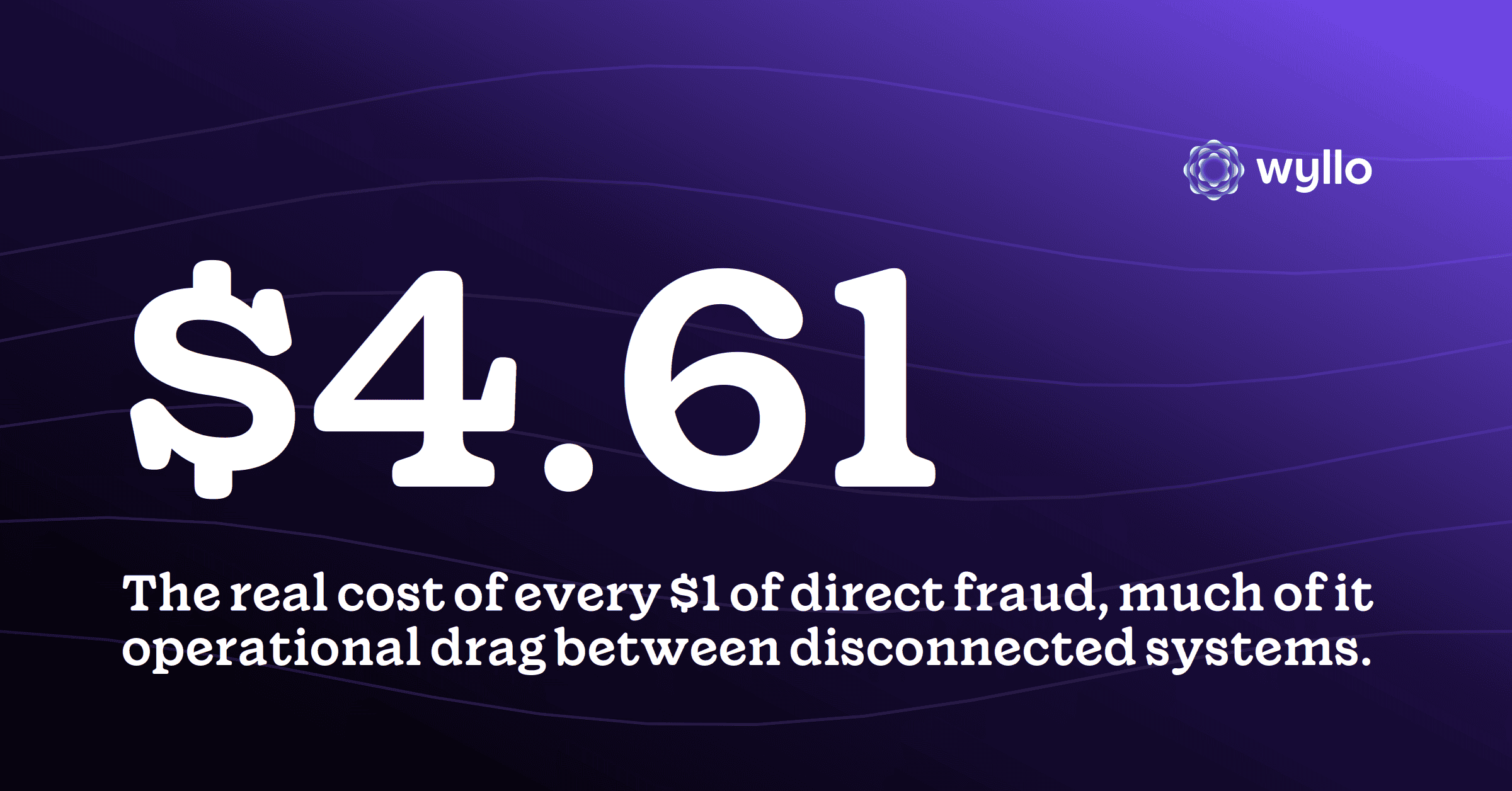
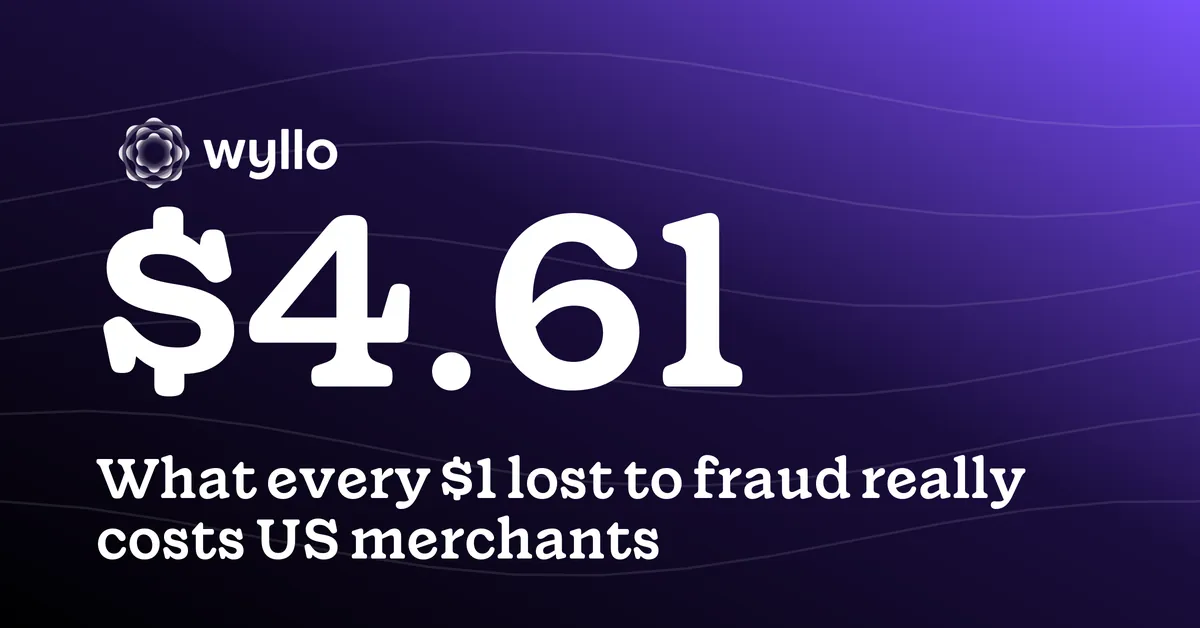
Specific costs depend on the category, but the broader fraud landscape sets the floor. Account takeover alone cost US consumers about $16 billion in 2024 per Javelin Strategy & Research. LexisNexis Risk Solutions’ 2025 True Cost of Fraud study found US merchants now incur $4.61 in total cost for every $1 of fraud lost. For subscription businesses, the recurring nature of the relationship multiplies the exposure on every successful exploit.
Bringing It Together
Subscription commerce is one of the strongest growth motions in ecommerce, and it has become one of the most attractive targets for fraud at the same time. The merchants who handle both well build defenses that match the complexity of the model: connected signals across signup, recurring activity, and account behavior; proportionate friction that respects trusted subscribers; and a partner who can keep pace as the patterns shift.
Curious how a CX-first risk intelligence approach helps you spot subscription fraud earlier and win more disputes when they happen? Explore the Wyllo platform or learn more about Wyllo Claim and Policy Abuse Prevention, built for exactly the policy-abuse-and-ATO patterns subscription businesses see most.