Last updated May 14, 2026 with current NRF return-fraud benchmarks, refreshed wardrobing data, and a trust-led approach to spotting return abuse without slowing down real customers.
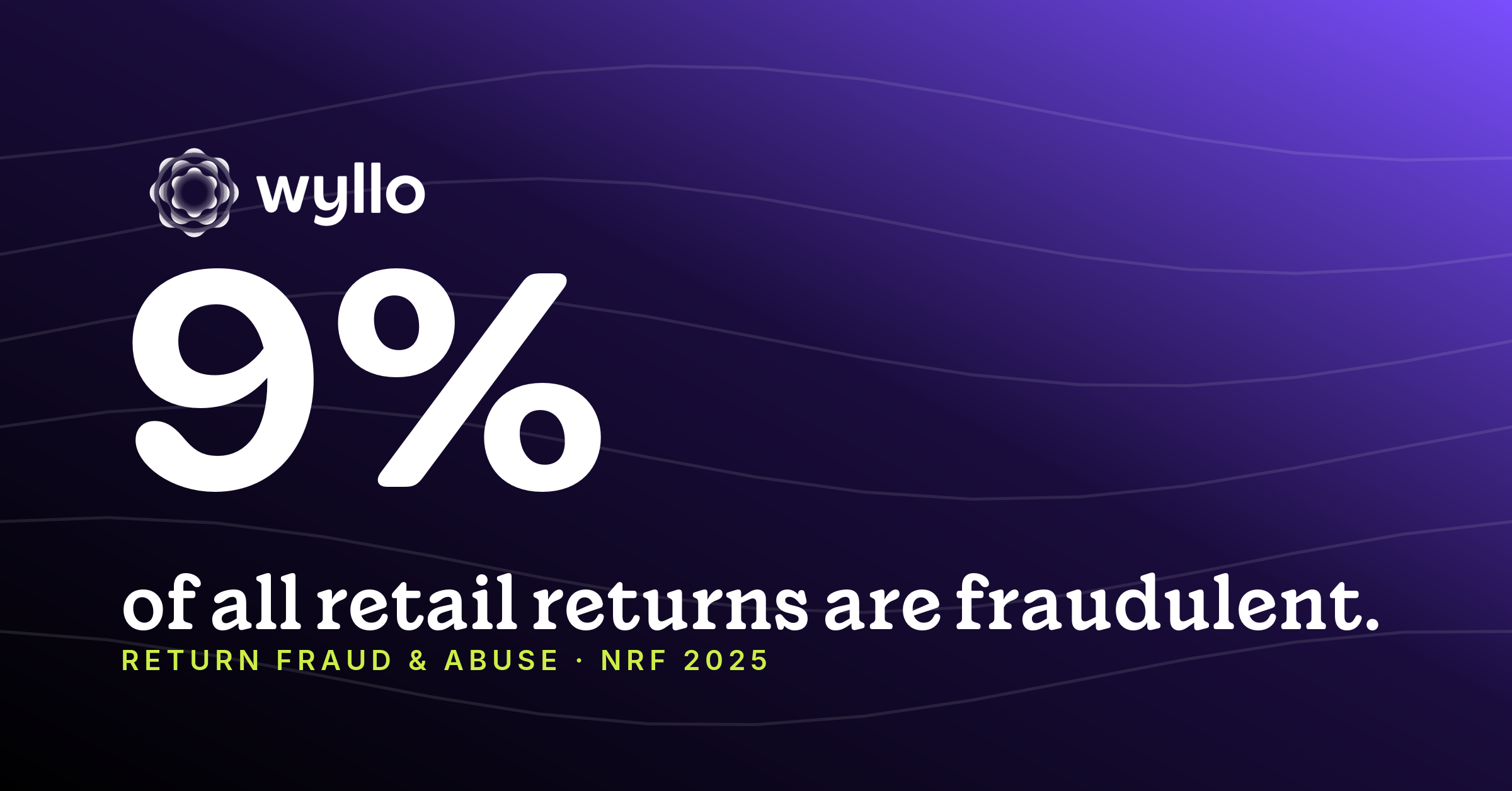
Returns are now a $850 billion line on the US retail balance sheet. The NRF’s 2025 Retail Returns Landscape report projects $849.9 billion in returns this year, with 9% classified as outright fraudulent. The broader category of fraudulent and abusive returns and claims cost retailers an estimated $103 billion in 2024, up from $101 billion the prior year. Ninety-three percent of retailers told the NRF that return fraud is now a significant issue for their business.
The pressure cuts both ways. Real shoppers expect frictionless returns: 76% of consumers consider free returns a key factor in deciding where to shop, and 71% say they’re less likely to shop again after a poor return experience. Tighten the policy too hard and you lose the customers you’re trying to keep. Leave it too loose and you bleed margin to coordinated abuse.
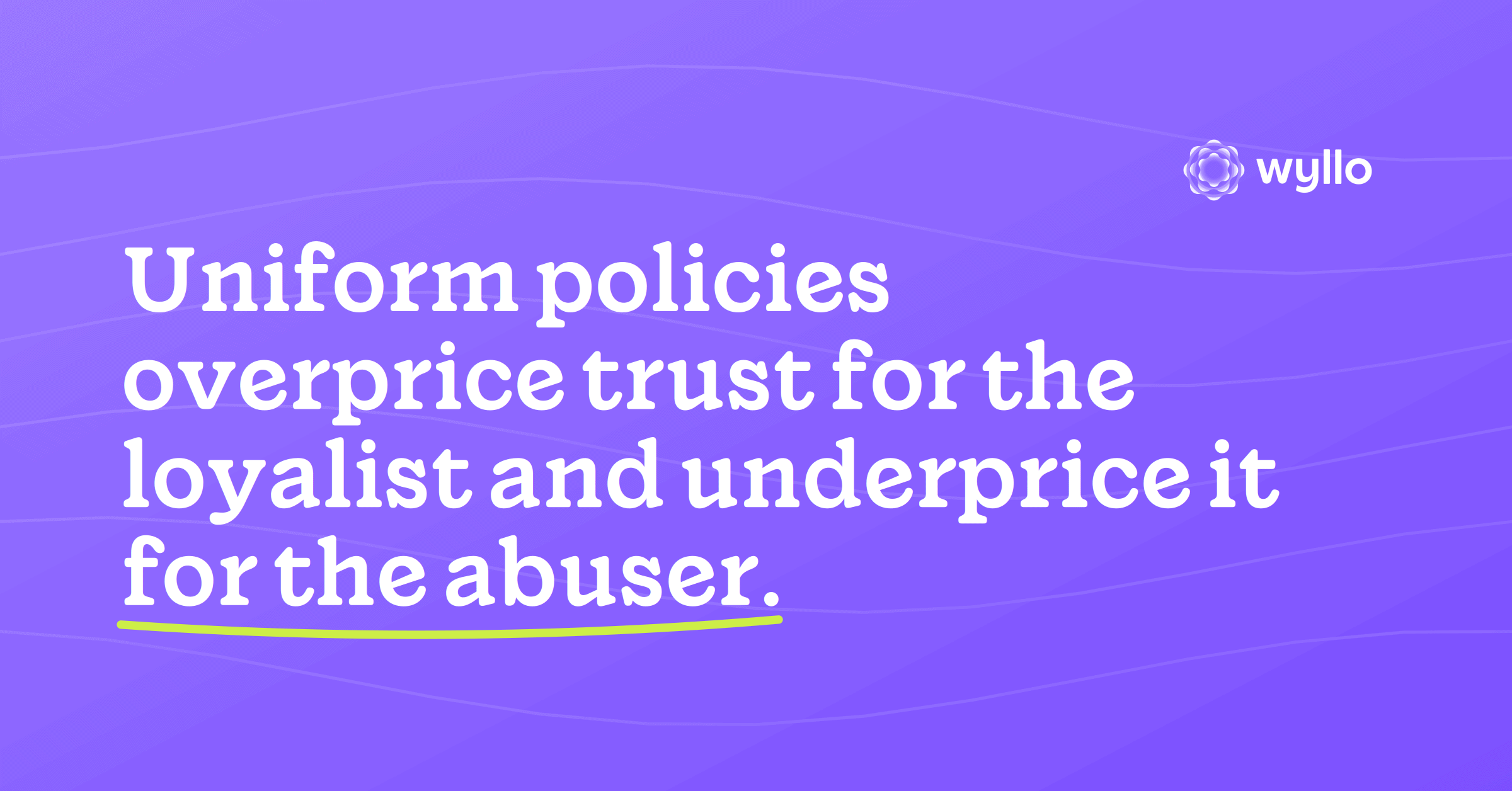
The merchants handling both well share a pattern: they treat return policy as part of the customer experience, not a separate compliance function. They differentiate based on risk and trust signals rather than applying one blunt rule to everyone. Precision over paranoia. Below are seven practical strategies that work.
1. Make Your Return Policy Clear and Easy to Find
A clear policy is a deterrent and a customer-experience asset at the same time. Define the acceptable return window, the condition standards, any restocking fees, and the exception scenarios up front. Vague policies invite abuse and frustrate honest shoppers.
Place the policy in multiple touchpoints, not just the footer: product pages, the cart, checkout, the order confirmation email, the shipping confirmation, the delivery confirmation, and the post-delivery follow-up. The brands with the strongest return economics treat policy visibility as a UX problem to solve, not a legal disclosure to bury.
Pair the policy with easy ways to reach support. Chat, email, SMS, and phone all do something different for different shoppers. Multi-channel access reduces the “I gave up and filed a chargeback” pattern that quietly inflates dispute volume.
2. Implement Receipt Management and Verification
Require receipts for all returns, and treat receipt verification as a system rather than a glance. Linking each return to a verified transaction in your own records is one of the highest-leverage moves in return-fraud prevention.
Fraudsters work this surface in three ways:
- Counterfeit receipts. Modern printers and design software can produce convincing replicas. Some fraudsters create receipts showing a higher purchase price than was actually paid (especially for items bought on sale) and pocket the difference at return.
- Manipulated digital receipts. Dates, item descriptions, and prices get altered on the original digital file, then presented from a phone or printout.
- Receipt harvesting. Discarded receipts get collected from parking lots and trash bins, then used to return stolen merchandise that matches the receipt’s description.
Digital receipt verification, watermarking, and database cross-referencing all reduce the exposure. Train your in-store and customer-service teams to recognize the signs of tampering. The merchants who treat receipt verification as a discipline catch a meaningful share of attempted fraud at the point of return rather than after the refund clears.
3. Use Anti-Tampering Devices to Deter Wardrobing
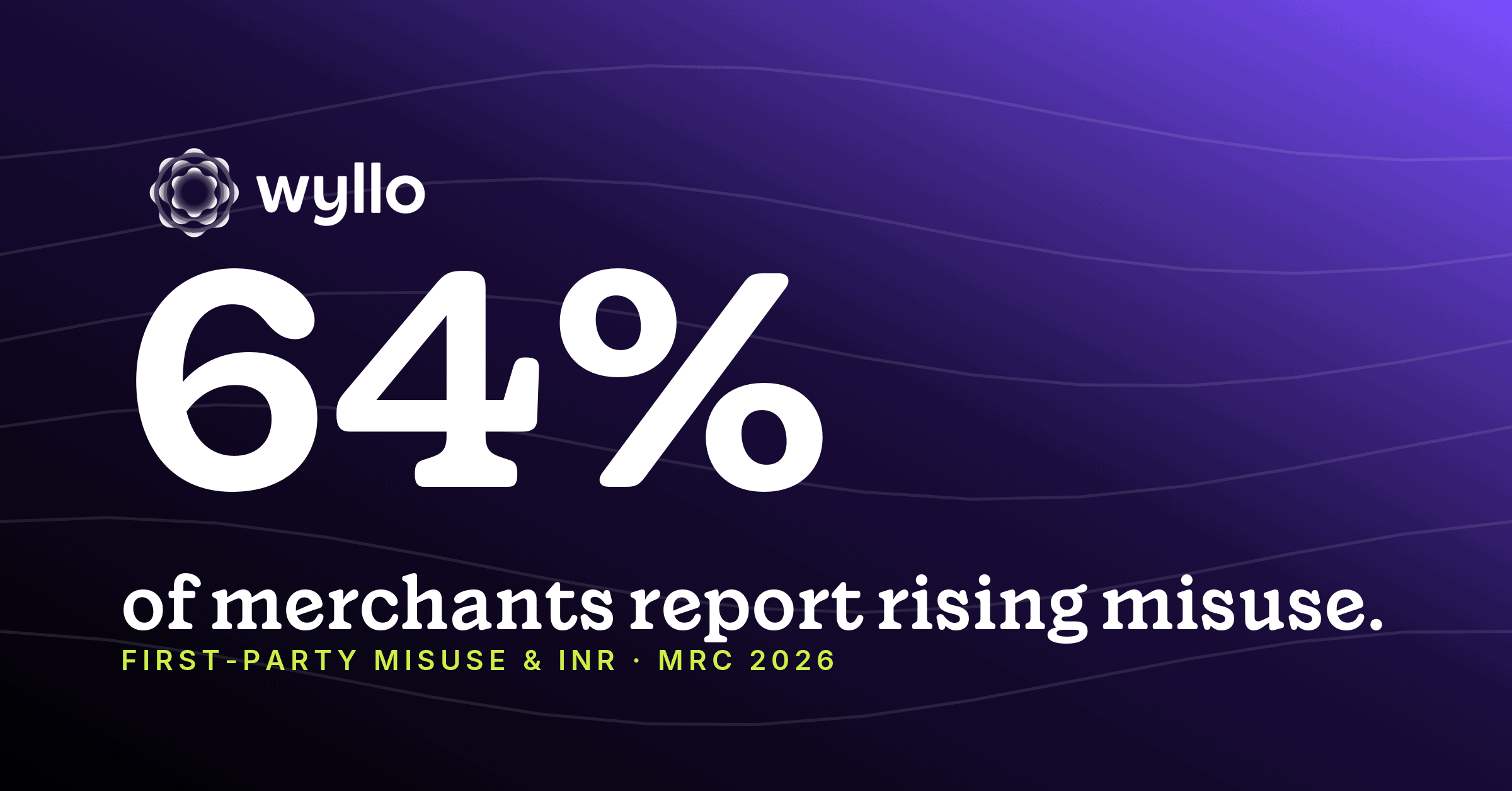
Wardrobing (buying an item, using it once, and returning it as new) is one of the most common return abuse patterns. Optoro’s 2024 returns research found 69% of shoppers admit to wardrobing, and 64% of those who wardrobe do it at least once a month, a 40% jump from 2023. Sixty percent of retailers identify wardrobing as a significant return-fraud type.
Anti-tampering tags (large, visible return tags like 360 ID Tags, or similar branded equivalents) make wardrobing operationally hard. The shopper has to keep the tag attached to wear the item, which usually defeats the point. The same tags help preserve the quality of merchandise that legitimately comes back, so trusted shoppers receive new product rather than someone else’s weekend outfit.
The trick is using tags selectively. Apply them to categories with elevated wardrobing risk (apparel, accessories, formalwear for known event windows) rather than everything in the catalog.
4. Rethink Pre-Packaged Return Labels
Pre-packaged labels are convenient, and convenience cuts both directions. They simplify returns for honest shoppers and they simplify fraud for everyone else.
Two patterns to watch:
- Convenience-driven over-returning. Easy labels can encourage impulse buys made with the intent to return. Some merchants see meaningful return-rate compression simply by switching from pre-packaged labels to QR-code-generated labels at the carrier counter.
- Fake Tracking ID (FTID) scams. Fraudsters alter return tracking labels so the barcode still scans but the package never makes it to the warehouse. The merchant gets a scan notification, issues the refund, and never receives the goods.
The fix is to issue return labels at the carrier drop-off using a QR code the customer presents in person. The carrier generates the label, the tracking is owned by the carrier system, and the shopper has no opportunity to manipulate the routing.
5. Use a Policy Abuse Prevention Platform to Address Return Fraud
This is where a risk intelligence partner pays back at scale. Wyllo Return Fraud and Abuse Prevention uses advanced risk models to spot the patterns that connect returns across accounts, addresses, devices, and behaviors, then enables personalized return policies right-sized to each shopper’s risk profile. Trusted shoppers keep their frictionless experience. Repeat abusers get policies that match the behavior.
The platform combines identity signals, order history, delivery outcomes, return patterns, refund behavior, and AI-driven image-manipulation detection (for empty-box, wrong-item, and damaged-in-transit claims) into a single risk score. The output is better decisions in real time, not another dashboard nobody checks. The NRF reports that 85% of retailers are now using AI to help detect and prevent return fraud — the merchants getting durable results pair the AI layer with merchant-specific context and embedded workflows.
6. Always Inspect Returns Before Issuing a Refund
Issue refunds only after the returned merchandise has been inspected, not when the package is scanned at the warehouse and not when the return label is created. The label is a promise, not a delivery.
Communicate the timing clearly to the customer. A short email saying “we’ve received your return and will process the refund within X business days after inspection” sets expectations and dramatically reduces the “where’s my refund” chargeback pattern. For shoppers with a clean history, you can accelerate the workflow as a loyalty signal. For shoppers with a track record of abuse, inspection should be more thorough.
Consider a ban list for repeat offenders. Most ecommerce platforms support blocking specific email addresses, phone numbers, or device fingerprints from completing transactions. Used carefully (with clear documentation), this is one of the cleaner controls available.
7. Use Restocking Fees Strategically
Restocking fees can deter abuse and recover some processing cost, but a blanket fee will damage your relationship with legitimate shoppers faster than it pays back. Apply selectively to the situations where the math actually favors it:
- Shoppers with a documented history of wardrobing or excessive returns
- Categories with high return-fraud risk (high-value, high-resale-value, or high-bracketing items)
- Returns submitted outside the standard return window
- High-demand seasonal merchandise after a defined cutoff (Halloween costumes after October 31, formal wear after a known event window)
Two workarounds that often work better than a flat restocking fee:
- Make specific high-risk SKUs final sale. Communicate this clearly at the point of purchase. The merchants who do this well treat it as a positioning choice (“this is a limited-edition piece sold final-sale”) rather than a punishment.
- Tighten return windows on specific categories. Seasonal products with predictable demand windows are the most defensible targets.
Whichever you choose, communicate it at the point of sale. Surprise fees at the return counter destroy trust faster than any fraud loss recoups.
How Wyllo Helps with Return Fraud
The seven strategies above lay out a strong baseline, but the connective tissue is what scales. Connected signals across the customer journey are how you tell the difference between a shopper having an off month and a coordinated abuse pattern that should be policy-blocked.
Wyllo, the CX-first risk intelligence platform, is built around exactly this idea. For return fraud specifically, three products do the most work:
- Wyllo Return Fraud and Abuse Prevention combines identity, order history, delivery outcomes, return patterns, refund behavior, and AI image-manipulation detection into one risk score that powers personalized return policies right-sized to each shopper.
- Wyllo Claim and Policy Abuse Prevention catches account takeover, claim manipulation, and policy exploitation upstream, before they turn into refunds, chargebacks, or escalations.
- Wyllo Bot and Reseller Detection spots the coordinated buy-and-return cycles tied to reseller activity, fake accounts, and inventory abuse.
Less reaction. More reason. Designed to think ahead so good customers stay frictionless and abuse patterns get the response they deserve.
Frequently Asked Questions
What is return fraud?
Return fraud is any return submitted with the intent to defraud the retailer. Common types include wardrobing (using and returning), empty-box returns, decoy returns (sending back a different or counterfeit item), price-arbitrage receipt manipulation, stolen-merchandise returns, and bracketing abuse. NRF data shows return fraud and abuse cost US retailers $103 billion in 2024.
How common is return fraud in 2026?
Very common. The NRF’s 2025 Retail Returns Landscape report puts the fraudulent-return share at 9% of all returns industry-wide, and other industry data suggests 15% or higher in some categories. Ninety-three percent of retailers report return fraud as a significant issue for their business.
What is wardrobing and how prevalent is it?
Wardrobing is buying an item, using it once or twice for a specific occasion, and returning it as if new. Optoro’s 2024 data shows 69% of shoppers admit to wardrobing, with 64% doing it at least once a month — a 40% jump from 2023. Most wardrobing shoppers cite financial pressure as the motivation.
How do I prevent return fraud without hurting good customers?
The honest answer is to stop applying one rule to everyone. Differentiate return policies based on risk and trust signals. Reduce friction for shoppers with clean history, apply tighter terms to shoppers with patterns of abuse, and use anti-tampering devices, receipt verification, and inspection-before-refund as baseline controls. A policy-abuse-prevention platform like Wyllo Return Fraud and Abuse Prevention automates that differentiation across the full customer base.
Should I charge restocking fees?
Selectively. Blanket restocking fees damage customer relationships faster than they recover return-fraud loss. Apply restocking fees to specific high-risk categories, returns outside the standard window, or shoppers with documented abuse history. Communicate clearly at the point of sale to avoid surprises at the return counter.
What is an FTID scam?
A Fake Tracking ID (FTID) scam involves manipulating the return tracking label so the barcode still scans but the package never actually reaches the warehouse. The merchant receives a scan notification, issues the refund, and never receives the merchandise. Issuing return labels at the carrier counter via QR code (rather than pre-packaging them with the original order) closes off this specific attack.
Bringing It Together
Return fraud is no longer a niche problem. It’s a $100 billion line item on the US retail balance sheet and growing, and the merchants who handle it well are the ones treating return policy as part of the customer experience rather than a separate compliance function. Build clear policies, verify receipts, use anti-tampering controls, rethink your label workflow, inspect before refunding, apply restocking fees where they make sense, and pair the playbook with a partner who can connect the signals across the journey.
Curious how a CX-first risk intelligence approach lets you tighten on abuse without slowing trusted shoppers down? Wyllo Return Fraud and Abuse Prevention automates personalized return policies right-sized to each shopper’s risk profile.