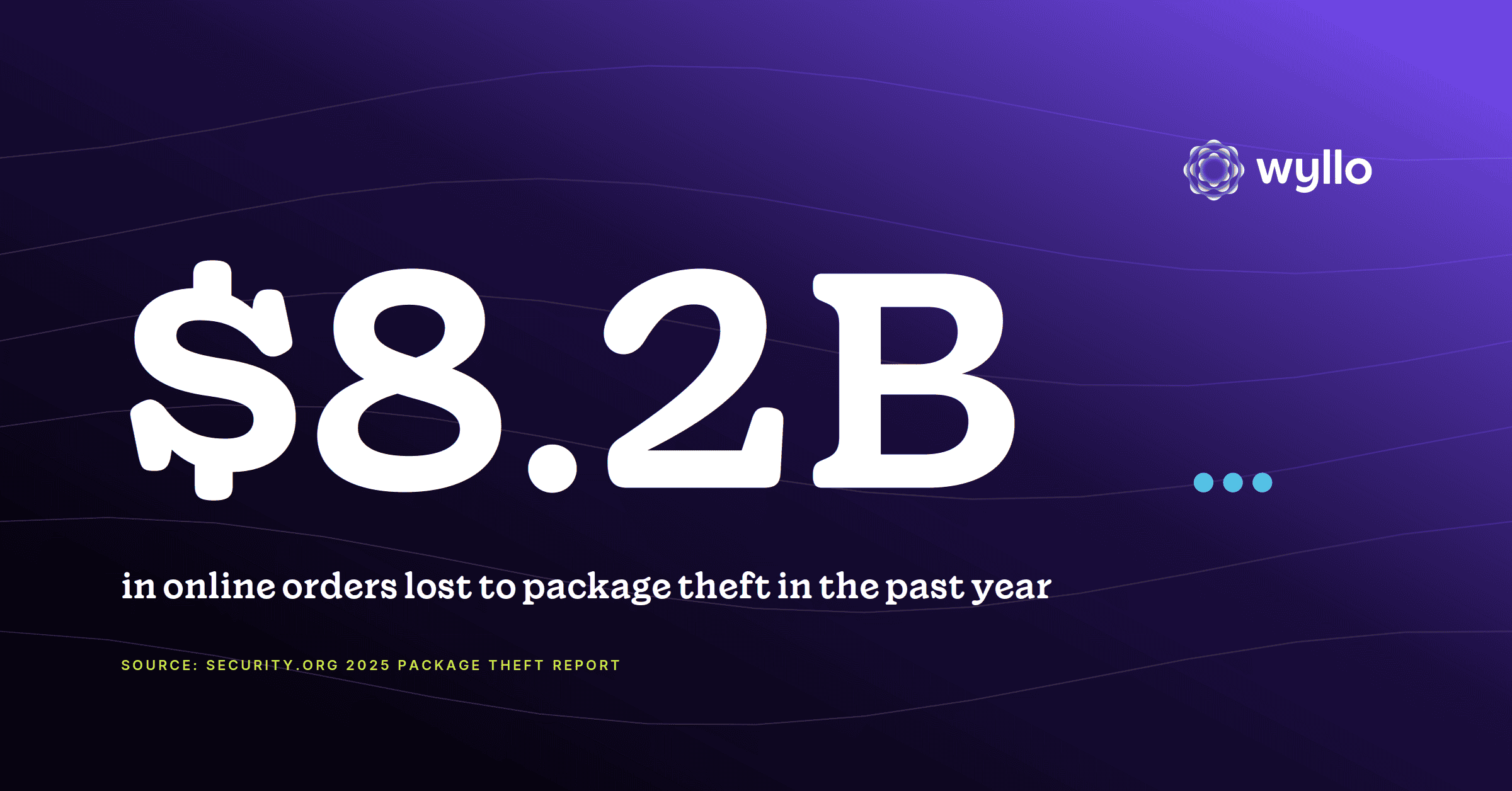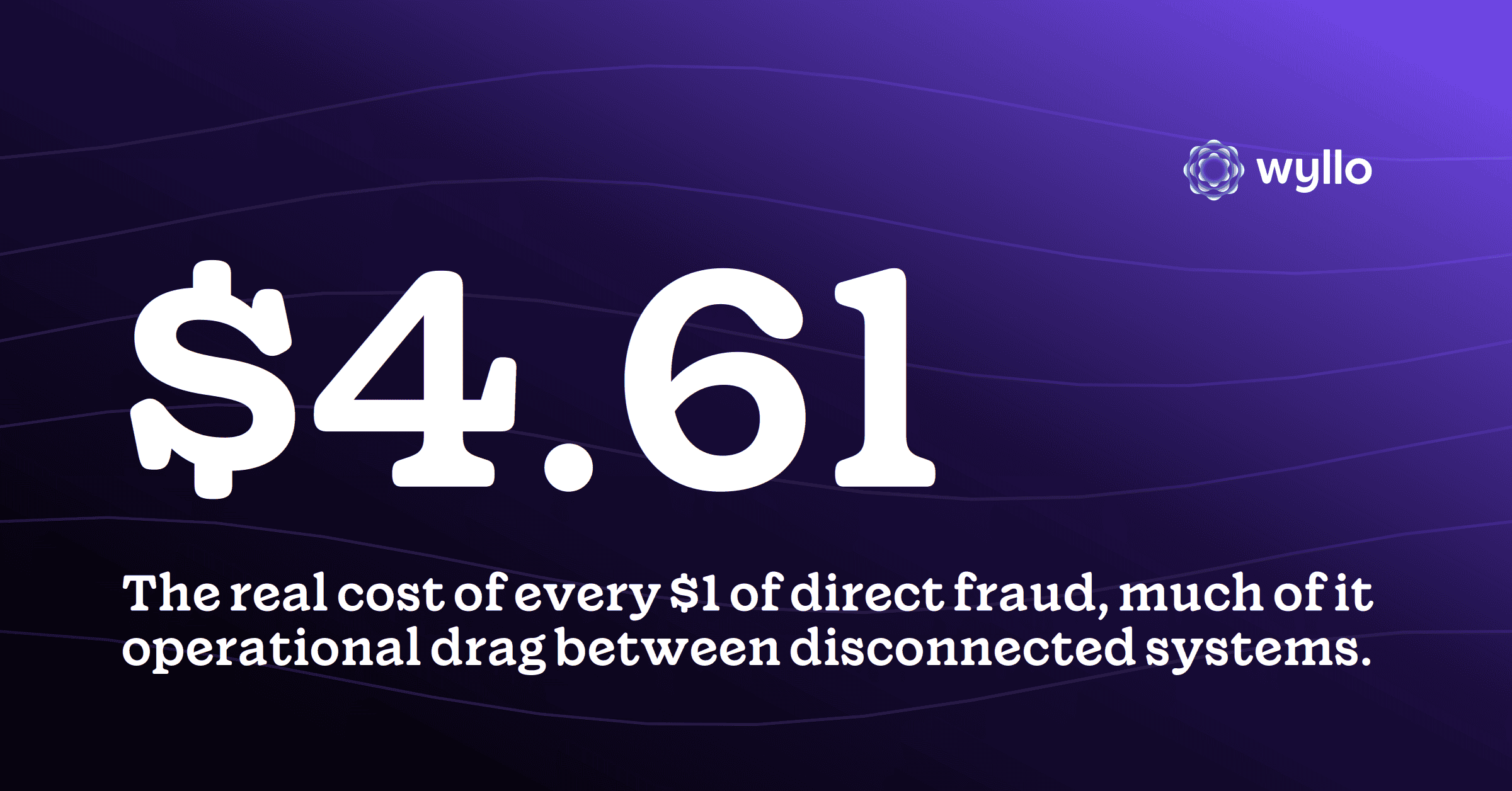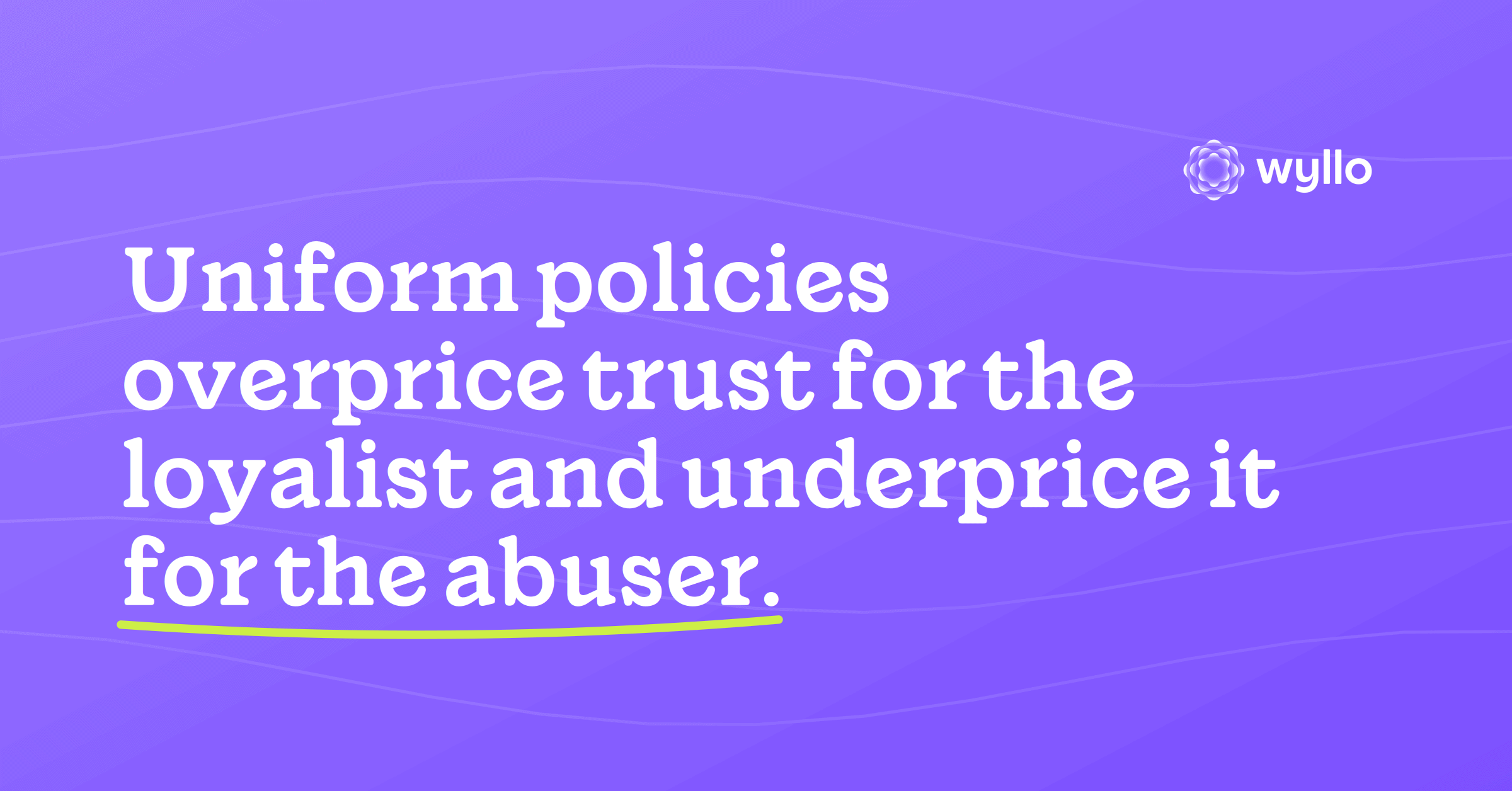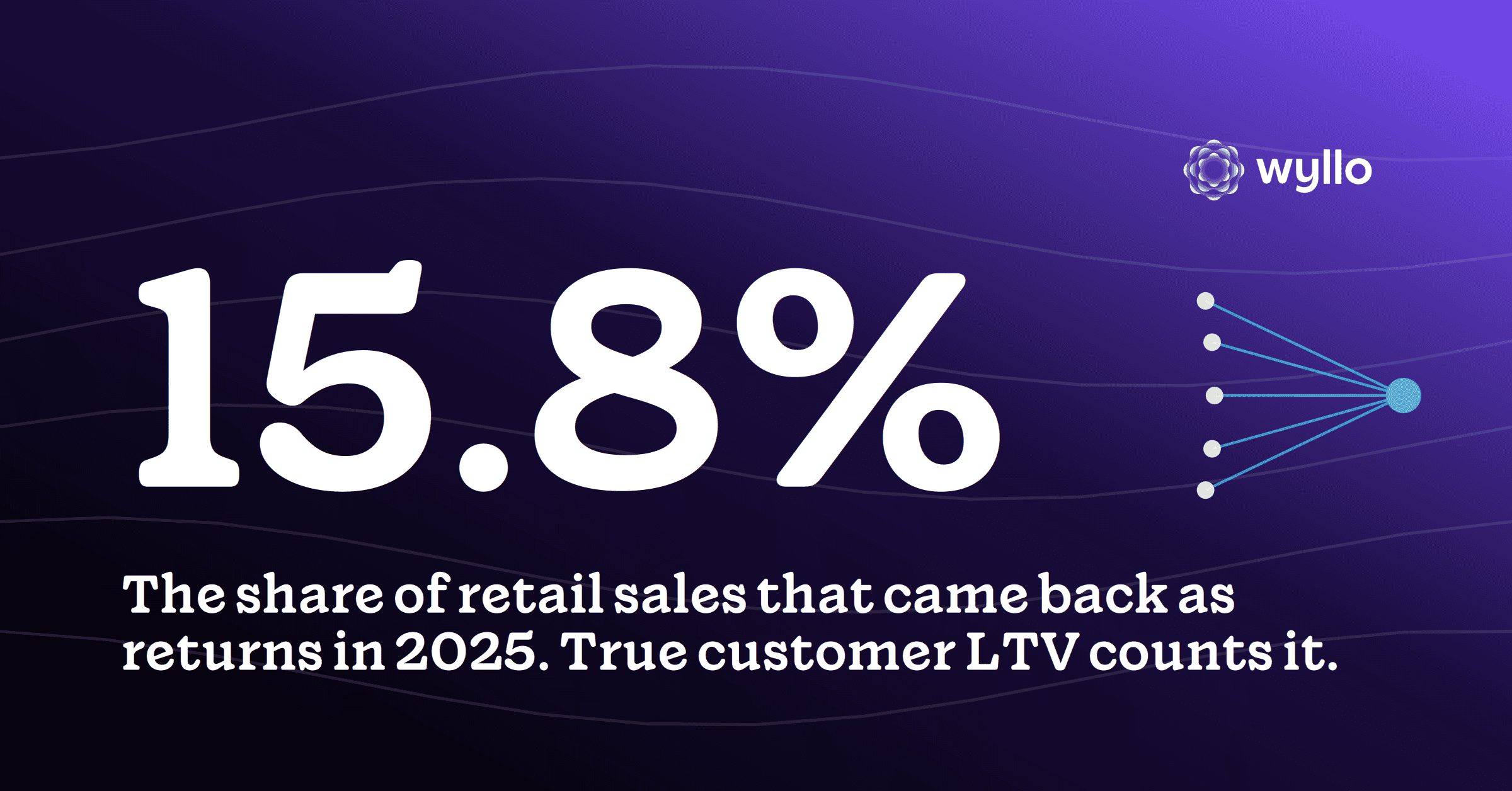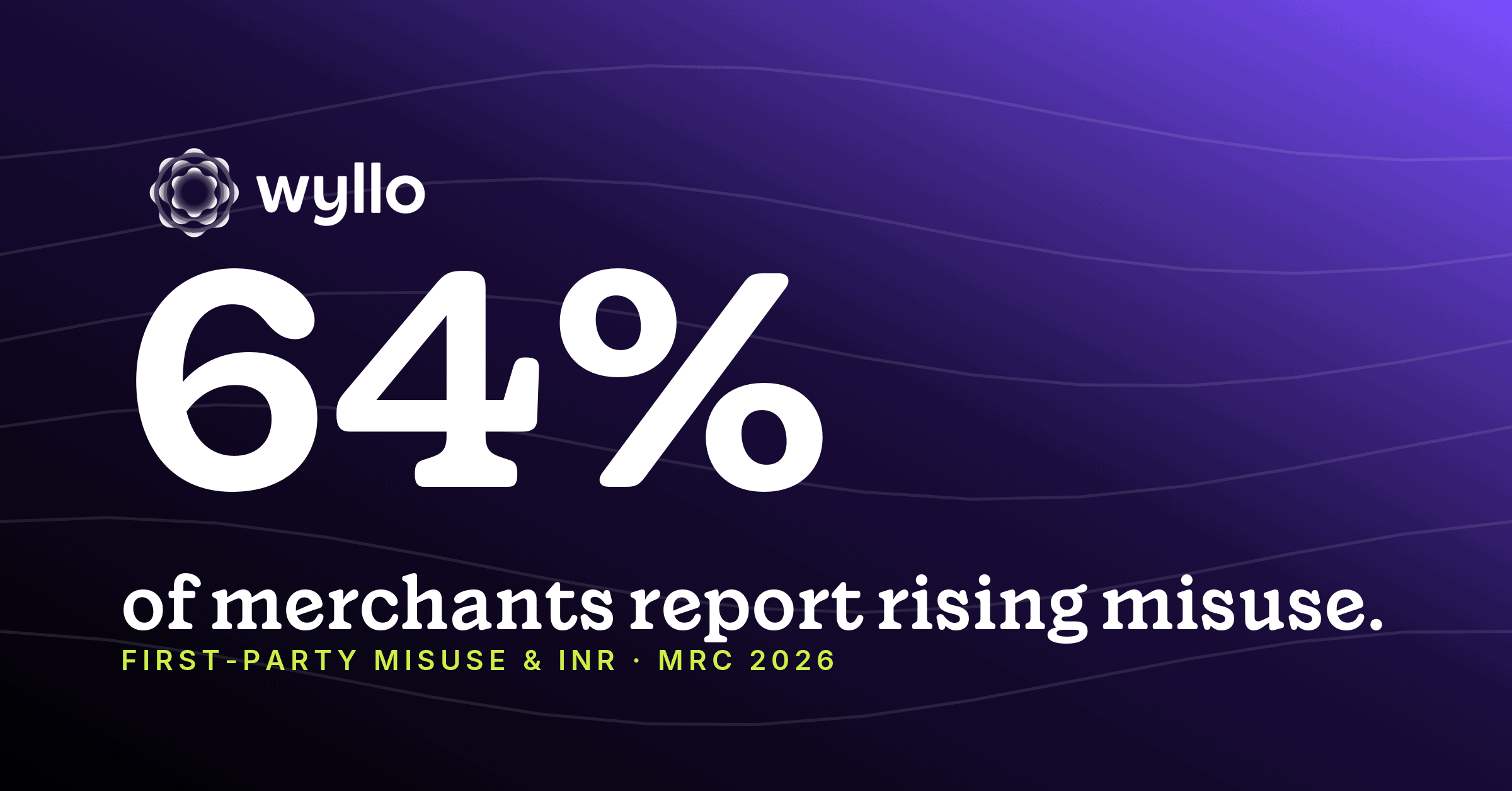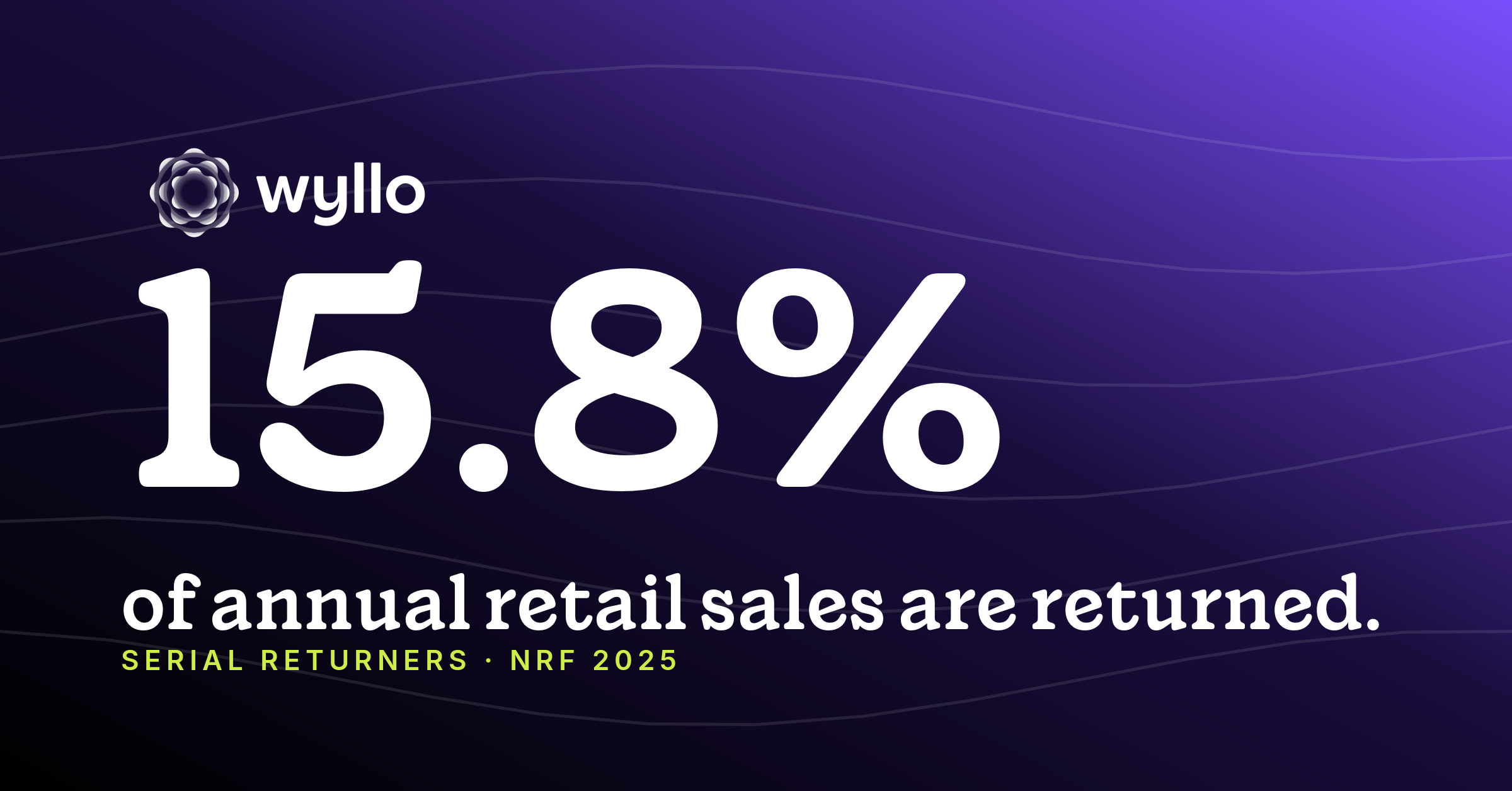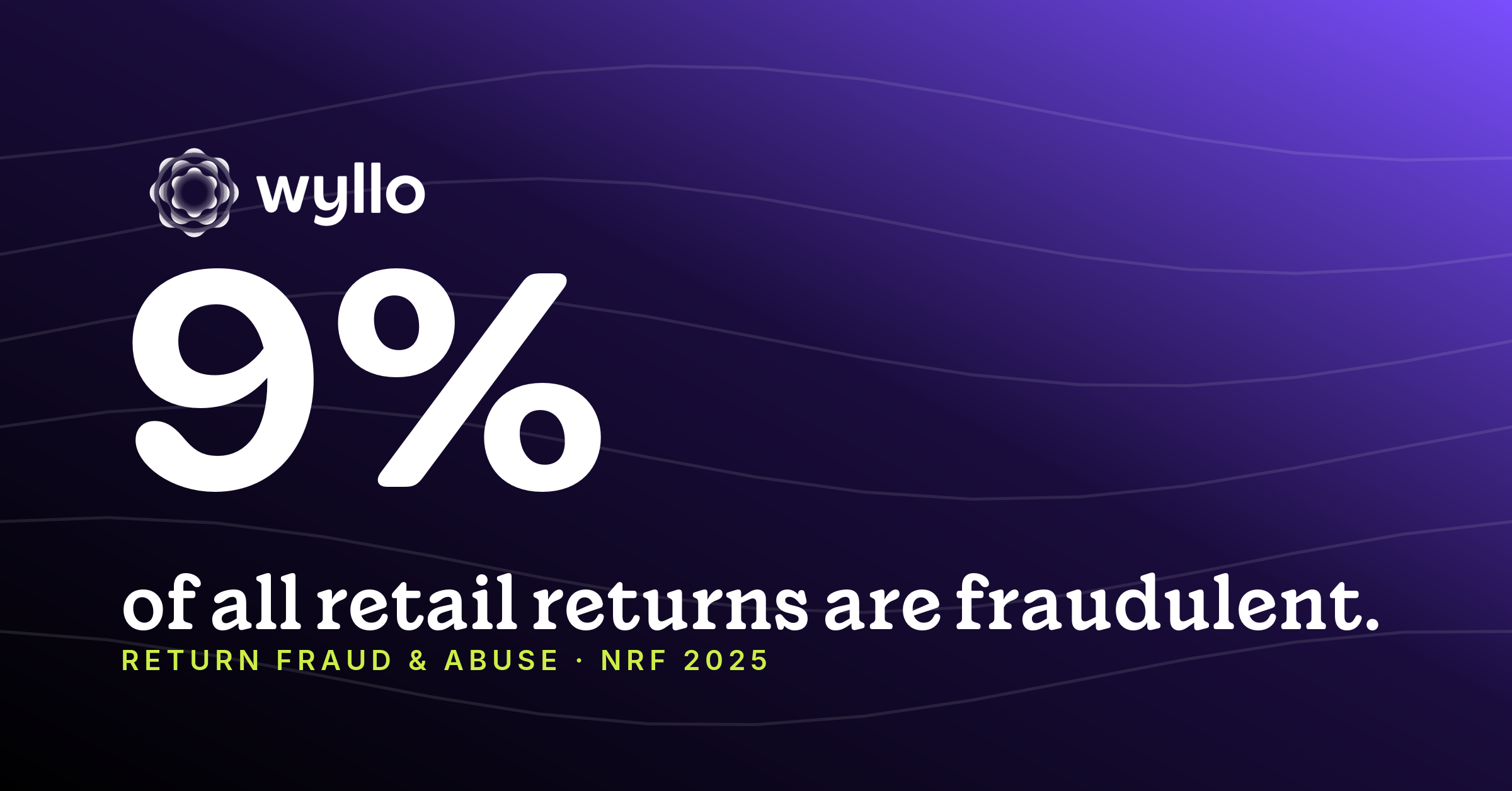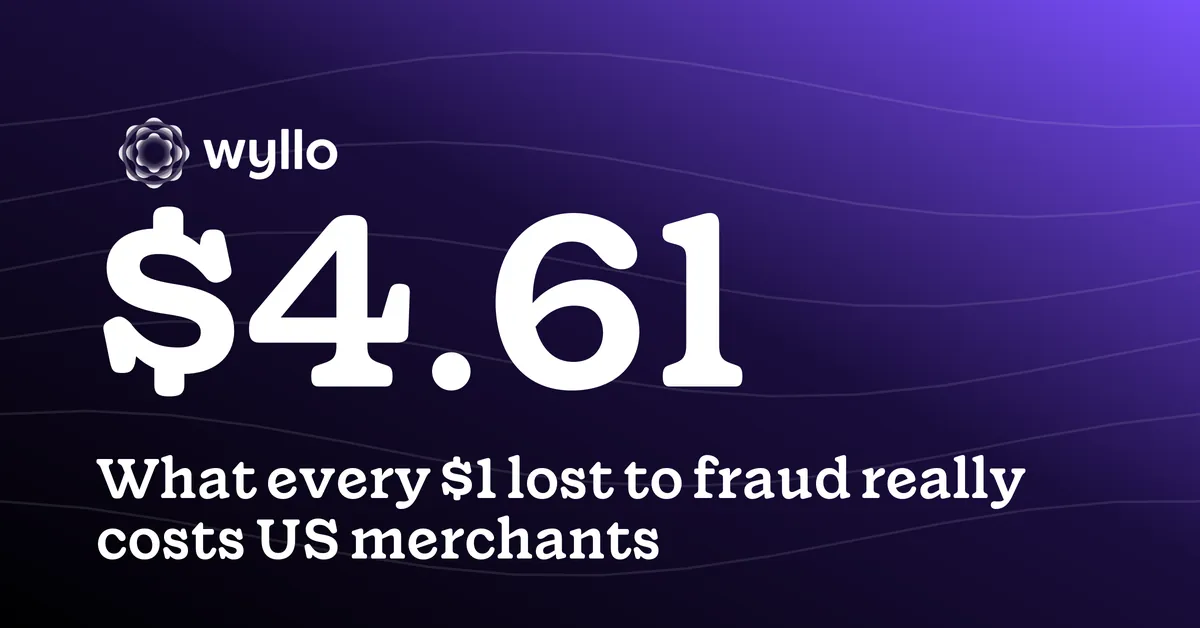
If you run a direct-to-consumer brand, picture the person most likely to commit fraud or refund abuse against your business this quarter. Most operators picture a hoodie, a burner email, and a stolen credit card. The reality is far less cinematic and far more expensive. The biggest threat to your refund line isn’t an organized ring. It’s the polite, repeat customer sitting in a suburban kitchen who genuinely believes that if something goes even slightly wrong, the brand owes them a free replacement.
That shift in consumer psychology is the through-line of a recent Customer XO episode in which the Ashley and Nancy of nine-figure brand Caraway Home swap their wildest customer support war stories: fake receipts, swapped-box returns, and a now-legendary tale of a customer whose “nanny” shipped back a broken-down air-conditioning unit in place of a high-end cookware order. The stories are funny. The pattern underneath them is not. Refund abuse has gone mainstream, and most brands are still operating policies written for a world where it hadn’t.
This post unpacks what changed, why refund abuse matters for your margins and your team, and the tactical moves marketers and CX leaders can make right now.
Amazon set the cultural default. Every other brand pays the bill.
The single biggest force reshaping refund behavior isn’t anything your brand did. It’s what Amazon did. A decade of frictionless, no-questions-asked returns has trained an entire generation of shoppers to expect the same posture from every retailer they touch. When a candle ships with a cracked lid or a sweater arrives a day late, the customer’s mental model isn’t “this is a rare miss from a small brand I love.” It’s “I’ll just return it. That’s how shopping works now.”
The implication for product marketers is uncomfortable: your customer expectations are being set by a platform you don’t control. If your refund policy, your onboarding emails, and your post-purchase comms assume a neutral customer, you’re already losing the framing battle.
Tactical moves to consider for refund abuse:
- Audit every post-purchase touchpoint, including order confirmation, shipping notification, delivery confirmation, and review request, and identify where you can pre-empt the “Amazon reflex.” A line as simple as “Here’s how returns work at [Brand]. We read every request personally” resets expectations before a problem occurs.
- Build a public-facing returns page that explains the why behind your policy, not just the rules. Customers accept friction when they understand it protects the community of buyers they want to belong to.
- Train your support team to use a shared vocabulary that distinguishes between a genuine service failure (which deserves generosity) and a policy edge case (which deserves a firm, kind no).
“The Customer Is Always Right” is quietly being retired.
The phrase has been a retail commandment for a century. Operators at scale are now openly questioning whether it still serves anyone, including honest customers. When every complaint is rewarded with a refund regardless of merit, three things happen at once: margins erode, frontline support reps burn out from being asked to apologize for things that aren’t their fault, and the customers who genuinely never complain end up subsidizing the ones who always do.
The shift the podcast describes isn’t a swing toward customer-hostility. It’s a swing toward customer-honesty. Brands are starting to draw clearer lines, defend their teams, and treat policy as something that protects the relationship rather than something that gets bent every time it’s tested.
Tactical moves to consider:
- Run a quarterly “concession audit.” Pull the last 90 days of out-of-policy refunds, replacements, and goodwill credits. Categorize them. You’ll usually find a small number of customer accounts driving an outsized share of the cost.
- Equip your CX team with explicit permission to say no. Most reps over-concede because they’ve never been told what “good” looks like when the answer is no. Write the scripts. Role-play the conversations.
- Reframe firm policies internally as customer-advocacy work, not loss-prevention work. The team will hold the line more confidently when they believe the line is fair.
Receipt and proof verification is becoming table stakes.
One of the episode’s most telling moments comes when the host describes pulling up her own real receipt from a major retailer to compare, side by side, against one a customer had submitted. The mismatch was obvious. The lesson is that fraud detection has moved from gut feel to evidence work. Brands that aren’t doing the side-by-side comparison are quietly approving claims they shouldn’t.
This isn’t about becoming adversarial with customers. It’s about basic operational hygiene. If your support team is approving refunds based on screenshots without checking dates, totals, item codes, or store formatting, you’re paying out on documents that wouldn’t survive thirty seconds of scrutiny.
Tactical moves to consider:
- Build a one-page internal “receipt smell test” reference for your CX team: what real receipts from your top retail partners actually look like, where the order numbers sit, what the tax line formatting is, where common fakes go wrong.
- Set a claim-value threshold above which a second set of eyes is required before approval. The threshold matters less than the habit.
- Invest in tooling — even lightweight tooling — that lets reps attach evidence to each decision. A culture of “show your work” stops bad decisions from compounding.
The “Wrong Box” pattern is the single highest-value signal you’re ignoring.
The most memorable story in the episode is the customer return that arrived containing a broken air-conditioning unit instead of the high-end cookware that had originally shipped out. It sounds like an outlier. It isn’t. The empty-box and swap-return pattern is one of the most common forms of ecommerce fraud, and it’s catastrophically easy to miss if your returns process assumes the package coming back contains what the label says it does.
The signal is almost always present in the data before anyone opens the box: outbound weight versus inbound weight, declared contents versus scanned contents, the timing of the return relative to delivery, the customer’s prior return history. The brands losing the most money to this pattern are the ones whose warehouse refund-on-scan workflow never pauses to ask, “Is this actually the thing we sent?”
Tactical moves to consider:
- Implement a weight-mismatch flag at the receiving dock. Any inbound return more than a defined percentage off the outbound weight gets quarantined, photographed, and reviewed before the refund processes.
- Photograph every high-value return at intake. The cost of the photo is trivial. The cost of being wrong without one is the entire item.
- Cross-reference return claims with the customer’s lifetime return rate. A first-time customer with a high-value swap claim is a very different risk profile from a five-year loyalist with one bad shipment.
Fraud is a customer experience problem, not just a finance problem.
It’s tempting to file refund abuse under “loss prevention” and hand it to operations. The episode’s framing — Customer XO, customer experience — is the more useful one. Every fraudulent claim you approve doesn’t just cost you margin. It tells your honest customers that your policies are arbitrary, your prices are inflated to cover the leakage, and the system rewards whoever complains loudest.
For marketers, this reframes the entire conversation. Firm, fair, well-communicated policies aren’t a customer-experience cost. They’re a customer-experience feature — one that protects the people who actually love your brand from being quietly taxed by the ones who don’t.
Tactical moves to consider:
- Write a customer-facing “how we think about returns” page. Be specific. Be human. Explain the trade-off you’re making on their behalf.
- Surface your fairness story in lifecycle marketing. Loyal customers love knowing the brand has their back, including against bad actors.
- Measure refund-abuse reduction as a CX metric, not just a finance metric. Track it next to NPS and repeat-purchase rate, not just gross margin.
The Bottom Line on Refund Abuse
The customer fraud problem in modern ecommerce isn’t being driven by criminals. It’s being driven by a mental model — one that Amazon installed and that every other brand inherited — in which the system owes the customer something regardless of what actually happened. Reversing that doesn’t require becoming hostile. It requires being clear, being consistent, and being willing to say no when no is the honest answer.
The brands that figure this out in the next twenty-four months will protect their margins, their teams, and the trust of the customers who matter most. The brands that don’t will keep paying a quiet tax on every order, while wondering why their unit economics never quite work.
Listen to the Full Episode on Refund Abuse
The full Customer XO episode, The Wildest Customer Fraud Stories From a 9-Figure Brand, goes deeper into the specific stories around refund abuse, the operator psychology behind the shift, and the playbook the team uses to handle edge cases without losing the relationship. If you run CX, operations, or marketing at a DTC brand, it’s an hour well spent.
Catch the full episode: