Wardrobing looks like a normal return and lands like a loss. Here’s how to stop wardrobing or reduce it while keeping returns easy for the customers who shop in good faith.
Wardrobing sits in a gray zone that makes it hard to fight: the shopper uses the return policy exactly as written, except they never intended to keep the item. They got what they wanted, the dress for one event, the camera for one trip, then returned it for a full refund, leaving you with goods you can’t resell as new. Because the product genuinely comes back, often looking nearly new, wardrobing hides inside legitimate return volume and rarely trips the alarms built for obvious fraud. It rides on the same surge in returns that the National Retail Federation’s research on consumer returns has tracked across retail.
This is a prevention playbook on how to stop wardrobing. For the definition and how wardrobing fits among return-fraud types, see Wyllo’s glossary entry on wardrobing. For the wider pattern it belongs to, see the seven warning signs of a return abuse problem. Here we focus on reducing it.
Wardrobing in One Sentence
Wardrobing is buying a product, using it once or briefly, and returning it as if unused, treating a purchase as a free rental. The defining trait is intent: the shopper planned to use and return from the start, which is why a single return looks innocent and only the pattern reveals the abuse.
How to Stop Wardrobing
Read Intent, Don’t Just Inspect the Item
The signal isn’t only the condition of one returned product; it’s the buy-use-return pattern across a shopper’s history. A high rate of returns concentrated in wardrobing-prone categories, or repeated returns timed right after predictable events, is far more telling than any single return.
Right-Size Policy to Risk
Trusted customers should keep generous, easy returns; shoppers whose behavior fits the wardrobing pattern can warrant inspection on receipt or tighter terms. Make the firm response conditional on risk, not the default for everyone.
Inspect High-Risk Returns at Intake
Aim inspection where it pays off. Condition checks, tags, and one-time-use indicators catch worn items, but they work best applied to flagged returns rather than to all of them, so honest returners aren’t slowed down.
Connect Accounts and Identities
Serial wardrobers sometimes spread the behavior across accounts to stay under the radar. Connecting activity across orders and accounts surfaces the pattern even when each account looks ordinary on its own.
Reduce the Incentive
Clear product detail, accurate sizing and fit guidance, and good imagery cut the honest returns that get lumped in with wardrobing, so the behavior that remains is easier to spot and act on.
Don’t Treat Every Returner as a Suspect
Most returns are honest, and a heavy-handed response, restocking fees for all, shortened windows, suspicion at the desk, costs more in lost loyalty than wardrobing costs in shrink. Reading intent across return history is what lets you act on the minority treating purchases as rentals without punishing the customers who simply changed their mind.
How Wyllo Helps
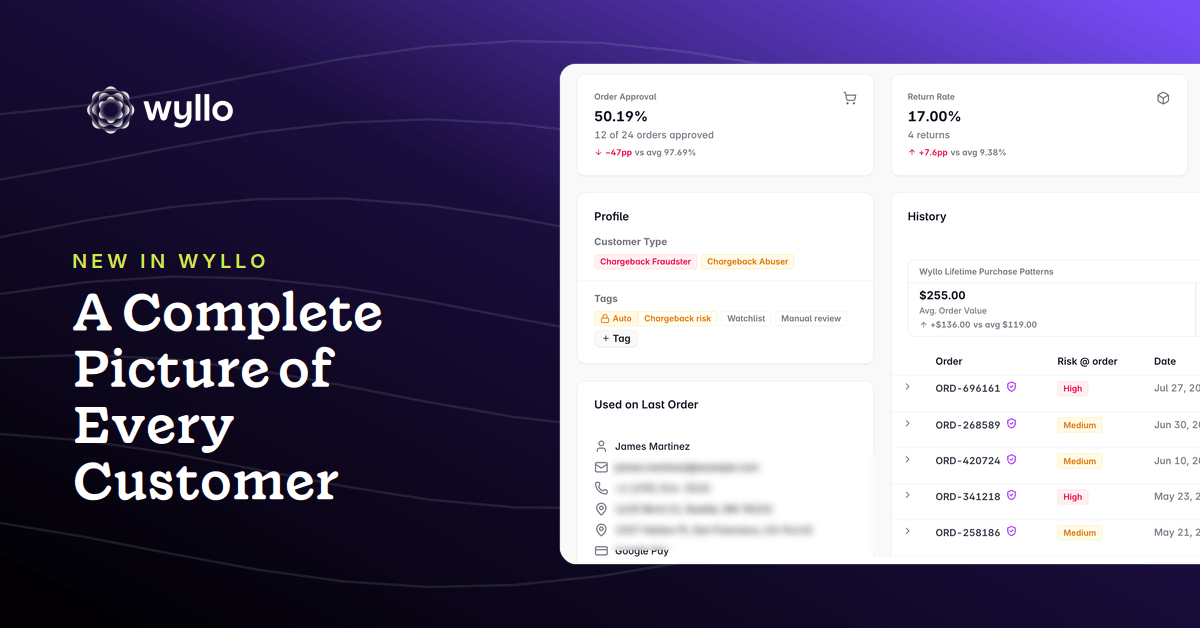
Wyllo is the risk intelligence platform for commerce. Wardrobing is a clear case for intent over event-by-event judgment: one returned item looks fine, the buy-use-return pattern across a shopper’s history does not. Risk flags the return; intent reveals whether it was a genuine change of mind or a planned rental.
- Wyllo Return Fraud and Abuse Prevention scores returns against identity, order and return history, and behavior patterns, so you can right-size return policy to risk and aim inspection where it matters.
- Wyllo Claim and Policy Abuse Prevention connects wardrobing to the wider refund and policy abuse a shopper may be running.
Because good customers deserve better.
Frequently Asked Questions
What are tips on how to stop wardrobing without hurting good customers?
Read intent across a shopper’s return history rather than judging one item, right-size policy so trusted customers keep easy returns while higher-risk shoppers get inspection or tighter terms, aim intake inspection at flagged returns, and connect accounts to catch serial wardrobers. The aim is proportionate response, not blanket policy cuts.
How can merchants detect wardrobing?
Not from a single return, since a wardrobed item often looks nearly new. Detection comes from the pattern: an abnormal return rate in prone categories, returns timed right after events, and linked accounts. Risk scoring across order and return history surfaces it. Wardrobing is also one of the seven early warning signs of a return abuse problem.
Is wardrobing illegal or just abuse?
It’s typically policy abuse rather than a clear crime, because the shopper uses a legitimate return policy. That’s what makes it hard to address: any single return looks like a normal change of mind, and the issue is the intent and pattern behind it.
Which products get wardrobed most?
Occasion wear, formalwear, and seasonal apparel, plus electronics bought for a single event like a TV for the big game or a camera for one trip. These categories see the highest wardrobing rates and benefit most from risk-based inspection.
How to Stop Wardrobing: Bringing It Together
Wardrobing is the cost of trusting customers, and most customers earn that trust. The goal isn’t to end generous returns, it’s to recognize the minority treating purchases as rentals, which only becomes visible when you read intent across a shopper’s history instead of inspecting one return in isolation.
Curious how reading return intent would cut your wardrobing loss without punishing honest returners? Start with Wyllo Return Fraud and Abuse Prevention, or explore the Wyllo platform for connected intelligence across the full customer journey.