From identity to intent: Why the question that matters in commerce has shifted from “who is this person?” to “what are they here to do?” and what changes when you can answer it
Most fraud and risk tools were built to answer one question: is this person who they claim to be? Verify the identity, match the card to the address, confirm the device, and decide. That question is useful, but it has a ceiling. Identity tells you who placed an order. It does not tell you why. And in commerce, the why is where the value and the risk both live.
Two shoppers can look identical on paper. Same verified identity, same valid card, same clean history. One is a loyal customer about to place their tenth order. The other is testing how far a lenient return policy bends. Identity can’t separate them. Intent can. Customer intentionality is the discipline of reading that intent, and it is quietly reshaping how the best commerce teams make decisions.
What is customer intentionality?
Customer intentionality is the practice of understanding the intent behind a customer’s behavior (what they are actually trying to do) rather than stopping at whether their identity checks out. It treats every interaction as a signal of intent: how someone shops, pays, returns, claims, and contacts support, read together across the journey rather than judged one event at a time.
The shift is from verification to understanding. Verification asks a yes/no question at a single moment. Intentionality asks a richer one continuously: does this behavior, in this context, look like a customer to serve generously, or a pattern to look at more closely? Risk gets the interaction noticed. Intent explains what to do about it.
Why Identity Isn’t Enough
Identity-first decisioning fails in two directions, and both are expensive.
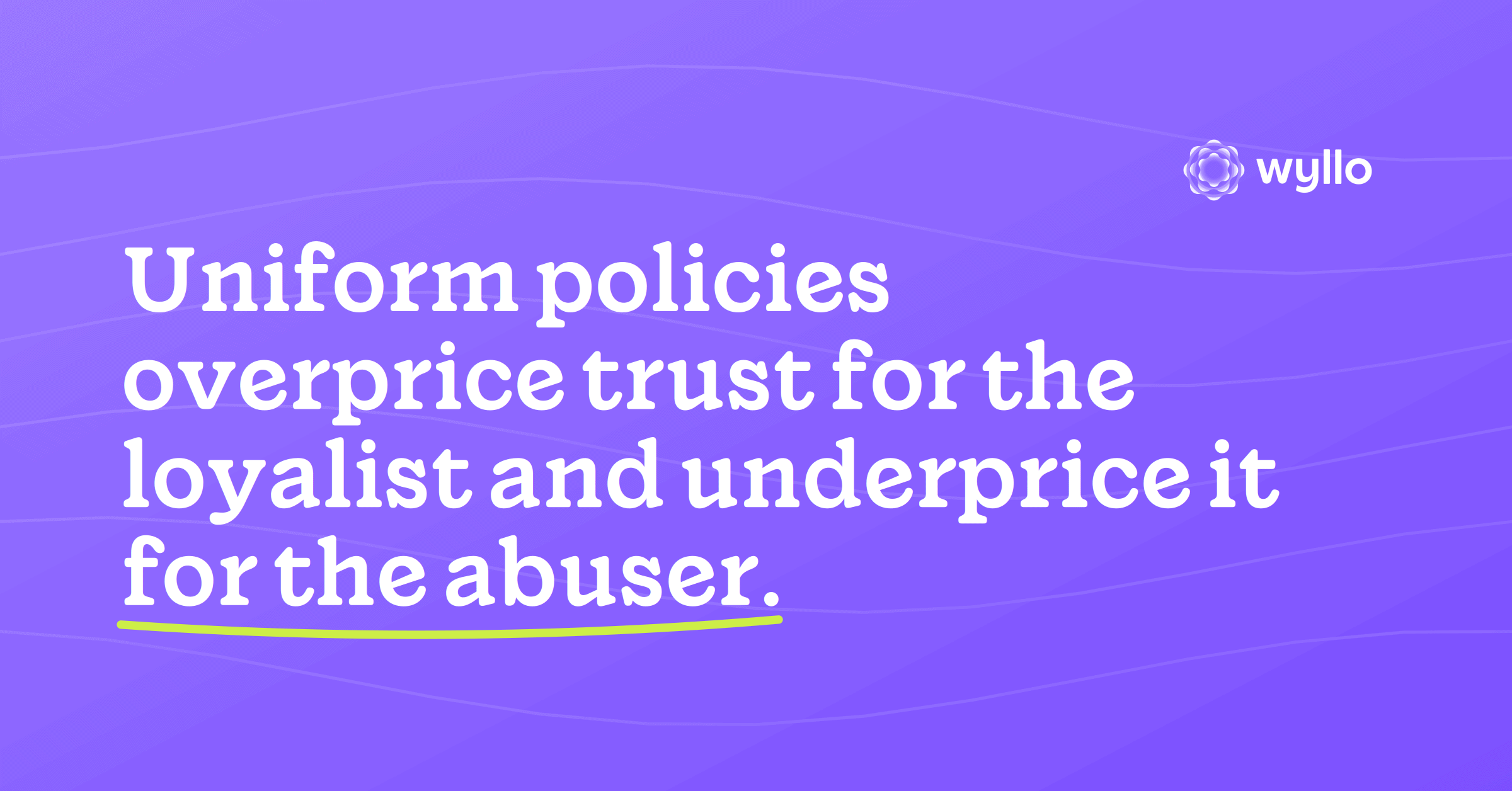
It misses bad actors who have legitimate-looking identities. A real card and a clean address say nothing about whether someone intends to wear a dress once and return it, file a claim for a package they received, or farm a first-order discount with no plan to stay. The identity passes; the intent is the problem.
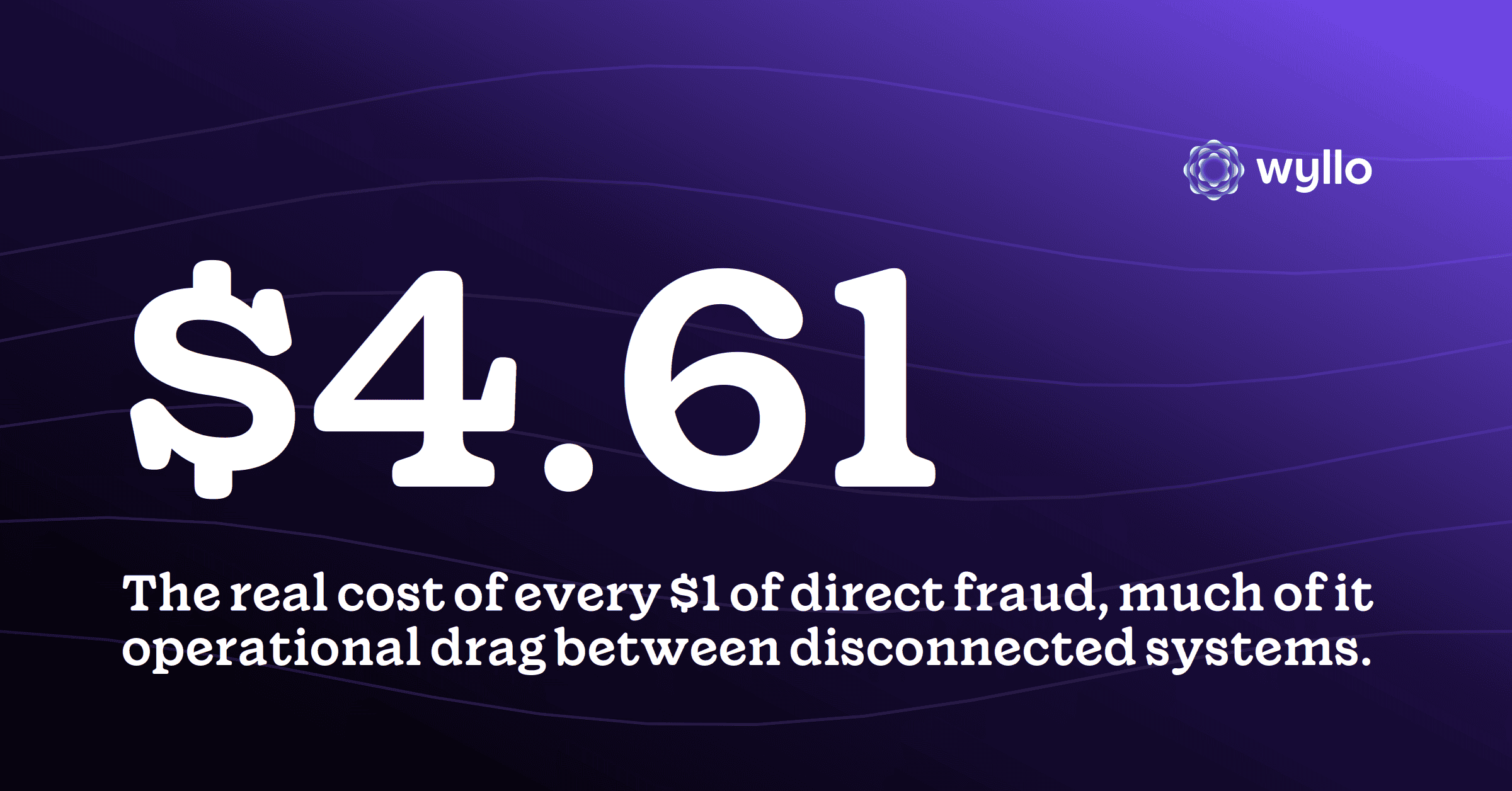
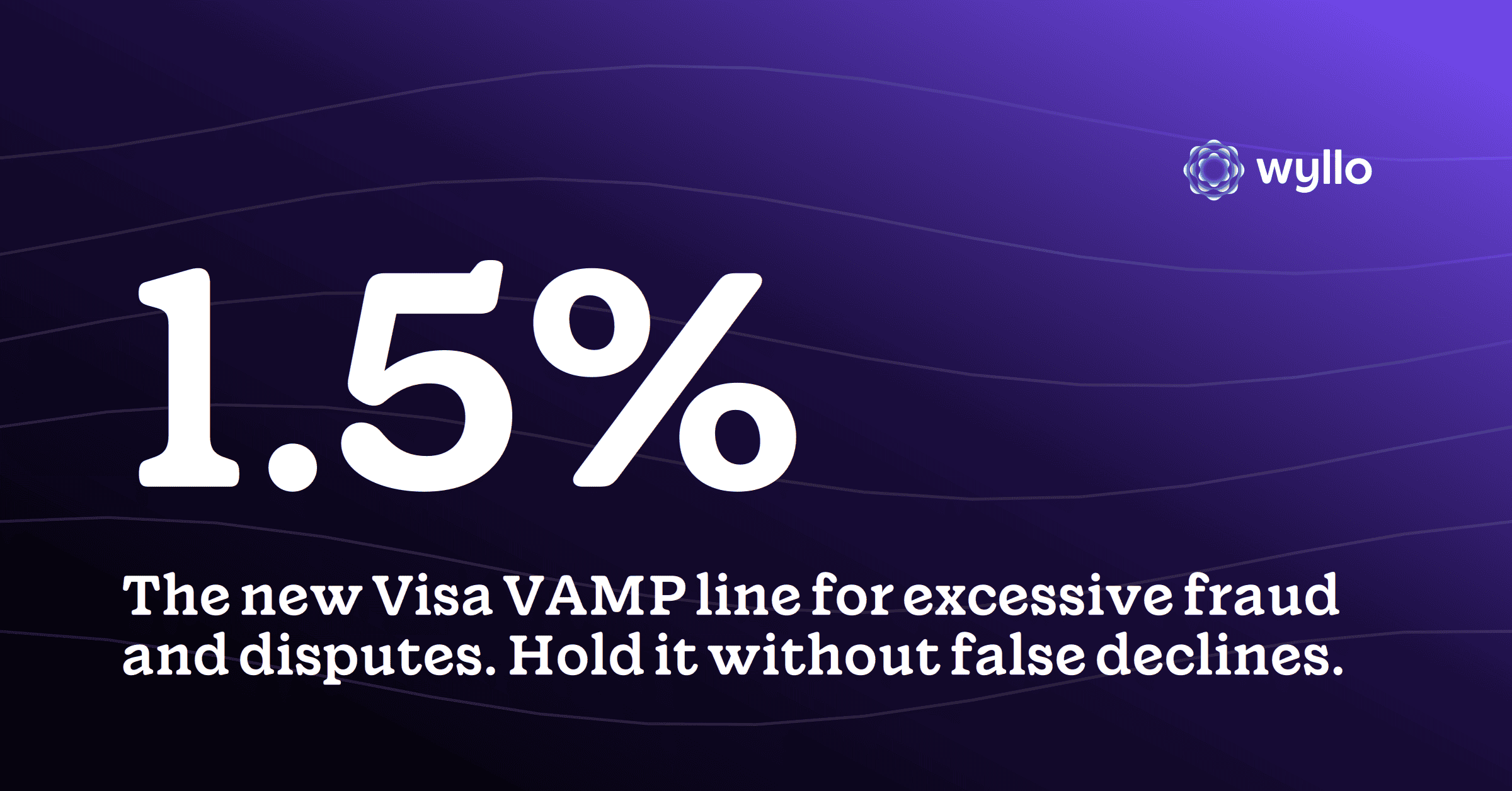
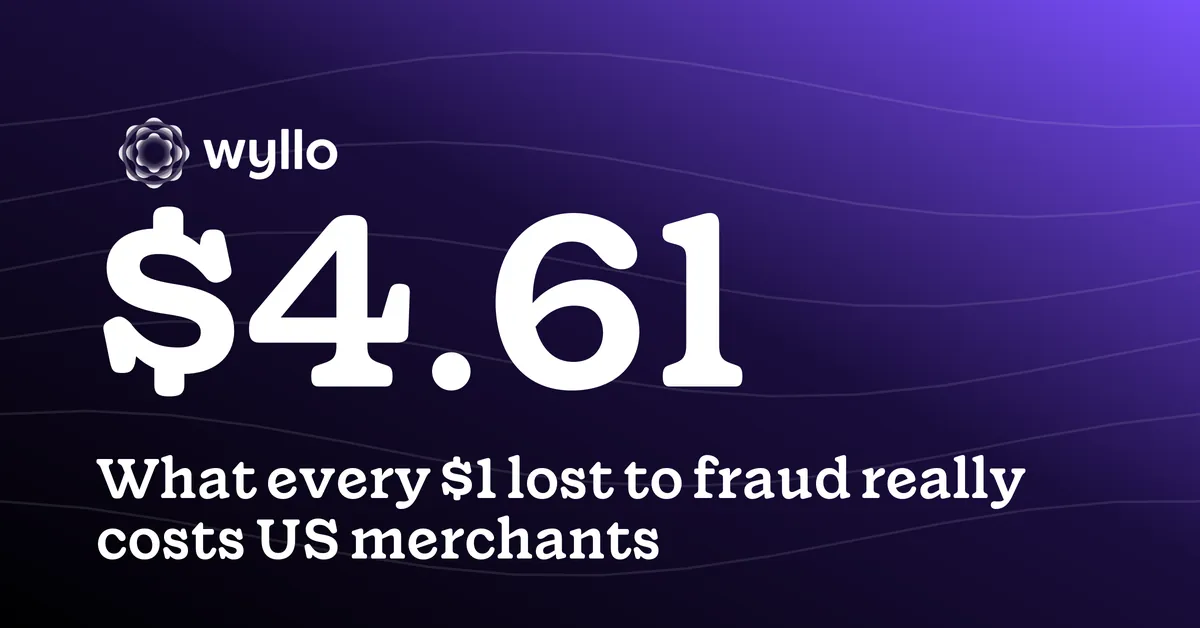
Worse, it punishes good customers who trip a rule. When the only tools are identity checks and static thresholds, the safe move is to decline anything ambiguous, which means turning away real buyers. Those false declines are not a rounding error. Genuine orders get rejected, and the cost compounds: a declined customer often doesn’t come back, and the broader cost of fraud-control friction runs far above the fraud itself, with LexisNexis Risk Solutions estimating roughly $4.61 in total cost for every $1 of fraud once lost good customers and overhead are counted. Friction has a price, and identity-only systems pay it constantly.
The Signals That Reveal Intent
Intent doesn’t come from one data point; it emerges from the relationships between many. The signals that, read together, reveal what a shopper is actually doing include:
- Behavioral signals: how someone navigates, how quickly they check out, whether the session looks human and consistent.
- Device and network signals: the device, its history, proximity to the billing address, and whether anything is being masked.
- Payment signals: the instrument used, its history with the shopper, and how it fits the rest of the order.
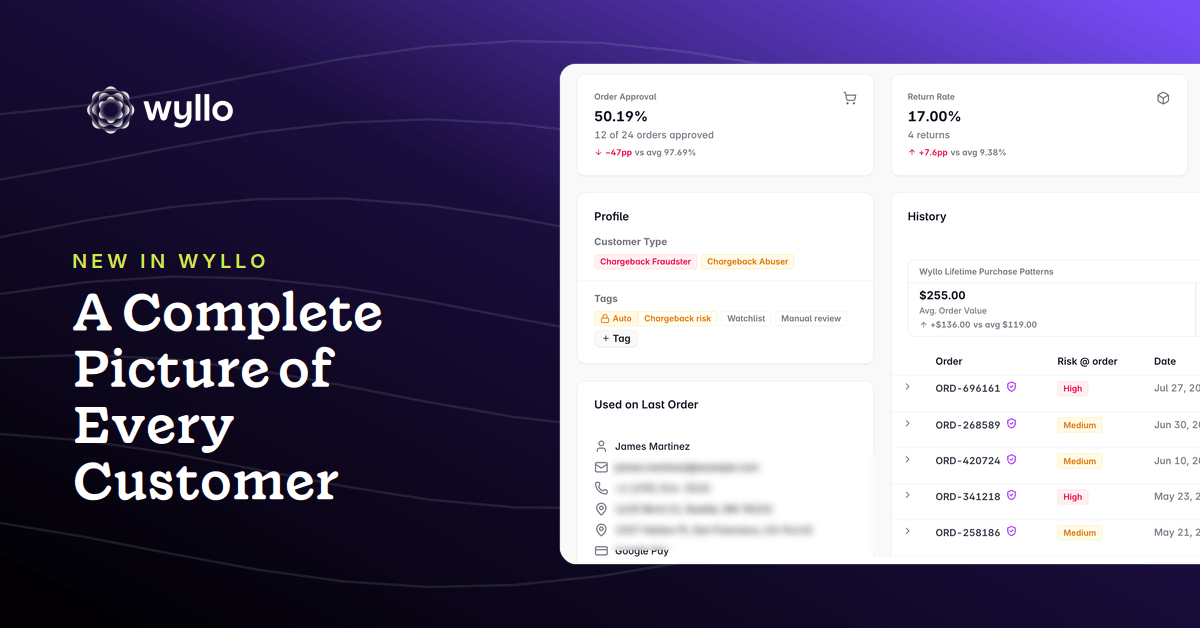
- Journey signals: order history, return and refund behavior, claim patterns, and support interactions over time.
- Connection signals: links between accounts, addresses, emails, and devices that expose coordinated activity hiding behind separate-looking shoppers.
No single signal decides anything. The intent lives in the combination, in context, which is why intentionality is a connected data problem, not a single check problem.
Intentionality Across the End-to-End Journey
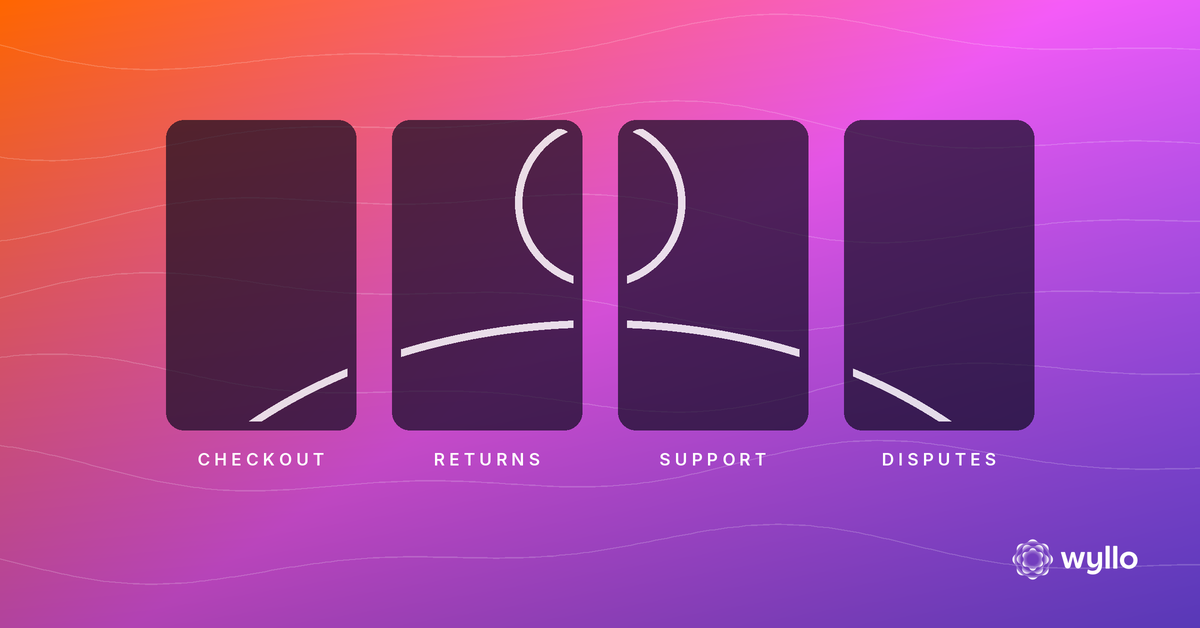
Reading intent matters at more than one moment, because abuse and loyalty both express themselves across the whole relationship:
- At checkout, intent separates the genuine new customer from the actor working a promotion or testing a policy, so the welcome experience goes to the right people.
- At returns and claims, intent distinguishes the customer who genuinely received a damaged item from the pattern of repeat or manipulated claims.
- In support, intent gives agents the context to resolve generously for trusted customers and verify carefully where signals warrant.
- At disputes, intent helps tell honest confusion from deliberate first-party fraud, so representment and policy can respond appropriately.
The thread is consistency: the same understanding of intent applied wherever the customer shows up, rather than a fresh blind guess at each stage.
Why Customer Intentionality Matters for Growth
Intentionality is often framed as a fraud topic, but its real value is on the growth side of the ledger. When you can read intent, you can be generous with confidence: fast checkout, easy returns, instant refunds, warm support for the customers who earn them, while reserving friction for the patterns that warrant it. That is how friction stops being a tax on everyone.
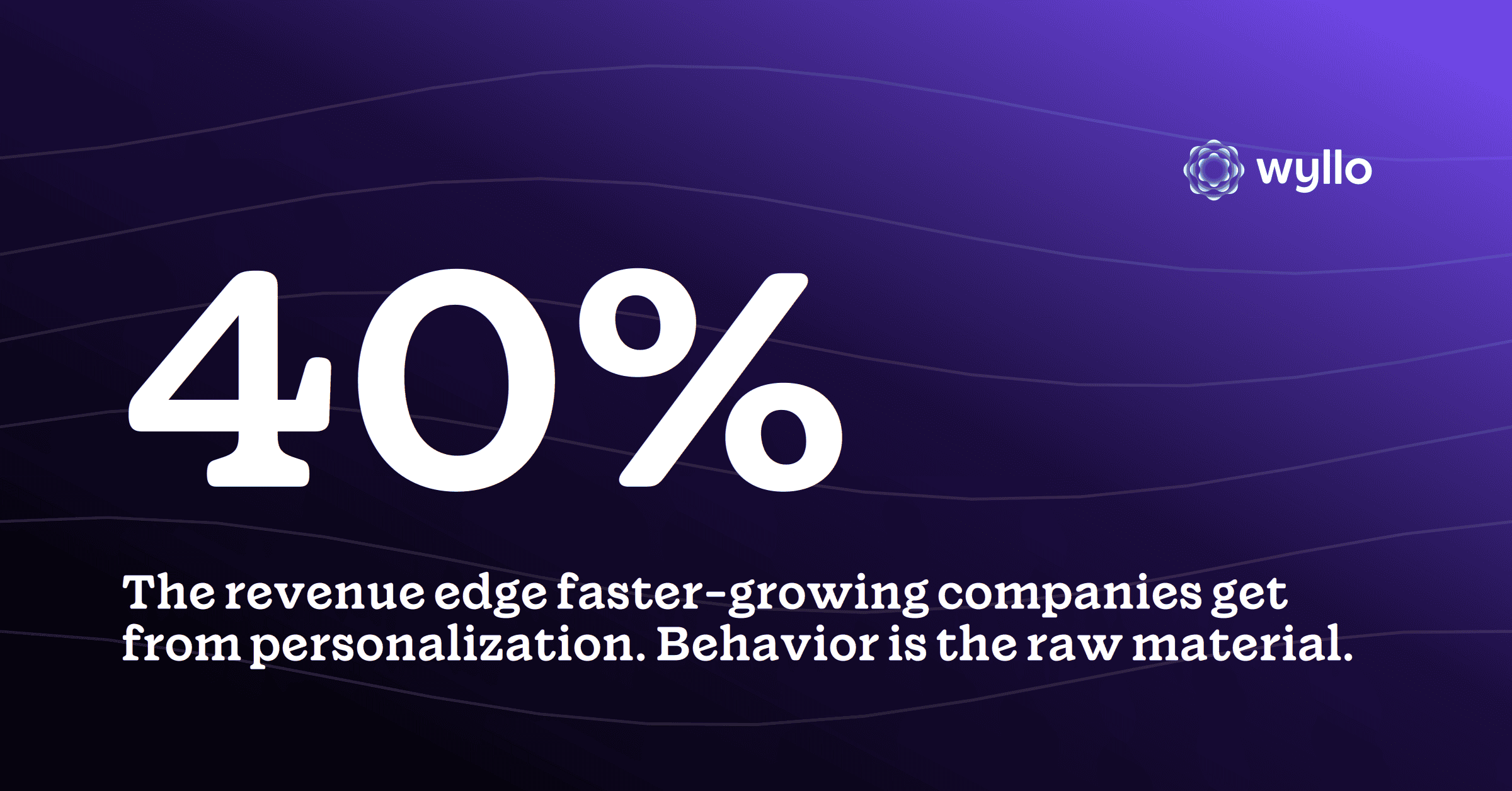
The upside is concrete. Reducing false declines recovers revenue that identity-only systems quietly reject. Treating customers according to intent supports the kind of tailored experience that drives loyalty; McKinsey has found that personalization typically lifts revenue 10 to 15%, and intent is the input that makes treating customers differently defensible rather than arbitrary. And reducing the noise of post-sale abuse protects margin without the policy whiplash that alienates good shoppers. Growth doesn’t come from playing defense.
How Wyllo Helps
Wyllo is the risk intelligence platform for commerce, and customer intentionality is the idea at its center. Wyllo connects identity, behavior, device, payment, and journey signals (including the linked patterns that expose coordinated abuse) and turns them into intent-aware decisions inside the tools merchants already use. Risk gets the interaction into the conversation; intent explains the value.
In practice that means decisions grounded in what a customer is actually doing: Wyllo Payment Fraud Protection for intent-aware decisioning at checkout that cuts false declines, Wyllo Return Fraud and Abuse Prevention and Wyllo Claim and Policy Abuse Prevention for reading intent at the post-sale moments, and Wyllo CX Support for putting that intent context in front of the agents closest to the customer.
Less reaction. More reason.
Frequently Asked Questions
What is customer intentionality in ecommerce?
It is the practice of understanding the intent behind a customer’s behavior (what they are trying to do) rather than only verifying that their identity is valid. It reads how someone shops, pays, returns, claims, and contacts support across the journey to tell a customer worth serving generously from a pattern worth examining.
How is intentionality different from identity verification?
Identity verification answers “is this person who they claim to be?” at a single moment. Intentionality answers “what is this person here to do?” continuously, across the journey. Identity can be completely valid while the intent behind the behavior is abusive, and a good customer can fail a rigid identity check, so reading intent reduces both missed abuse and false declines.
What signals reveal customer intent?
No single one. Intent emerges from the combination: behavioral signals, device and network signals, payment signals, journey history (orders, returns, claims, support), and the connections between accounts, addresses, and devices that reveal coordinated activity. Context across those signals is what exposes intent.
Why does customer intentionality matter for growth, not just fraud?
Because reading intent lets a merchant be generous with confidence. Trusted customers get fast checkout, easy returns, and warm support, while friction is reserved for risky patterns. That reduces false declines, supports loyalty-building personalization, and protects margin without blanket policy cuts that alienate good shoppers.
Bringing It Together
For a long time, commerce risk decisions hinged on identity because identity was what the tools could see. The frontier now is intent: understanding not just who a shopper is, but what they are there to do, and treating them accordingly across the entire journey. That understanding is what lets a business protect margin and grow loyalty at the same time, instead of trading one for the other.
Curious how intent-aware decisioning would change the calls you make at checkout, returns, and support? Explore the Wyllo platform for connected intelligence across the full customer journey, or start with Wyllo Payment Fraud Protection to see intent-aware decisioning where most teams feel false declines first.