A deep dive into agentic AI, CX ROI, hidden support, and the attribution war, by Breanna Moreno, CX Architect at Wyllo
I have a confession to make: even though I’ve helped build AI chatbot solutions for scaling brands, I’m still the person who mashes the “HUMAN” button the second a chat bubble pops up.
Why? Because, like you, I’ve rarely seen it done well. We’ve spent a decade training customers to be defensive. When shoppers see a traditional chatbot, they don’t think “help,” they think “loop.” We’ve reached a breaking point where the survivalist “do more with less” mindset has to evolve from deflection to resolution.
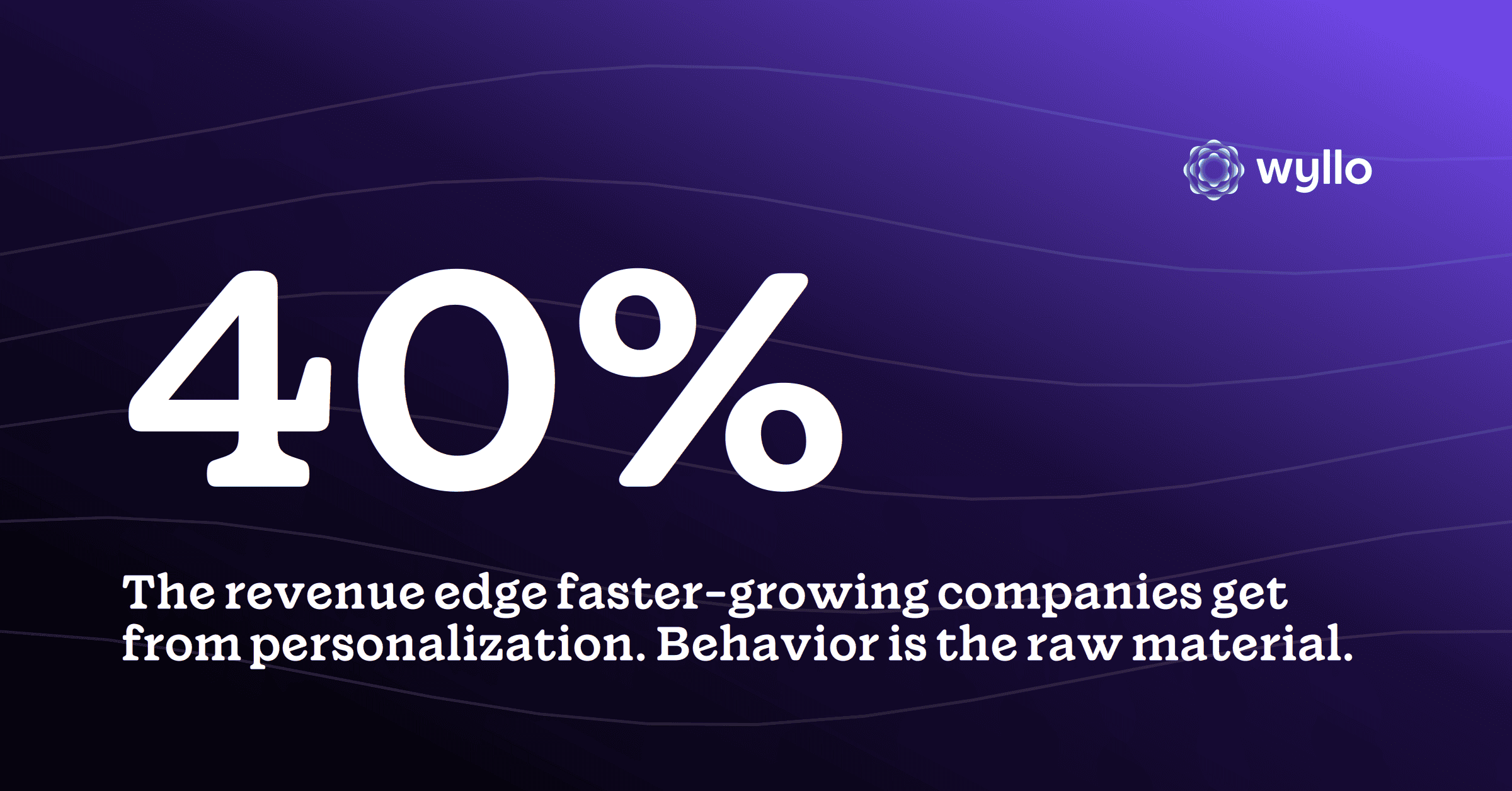
Here’s the thesis in one line: customer experience (CX) is one of the most underrated conversion levers in ecommerce. Visible, capable support, increasingly powered by agentic AI, turns hesitation into purchases, and the revenue it drives is too often miscredited to ad tech.
Pillar 1: The “Human” Button and the Agentic Evolution
Surviving the 2009 housing market crash in my 20s taught me how to get more done with less. But there’s a fine line between “scaling efficiently” and “passing off” your customers to a system that makes them repeat themselves. This is the shift to agentic commerce.
From chatbots to “do bots.” Traditional chatbots talk; agentic AI acts. If your AI is just a glorified FAQ search bar, you’re failing. An AI agent should be a “do bot” that:
- Cross references shipping delays with carrier APIs in real time.
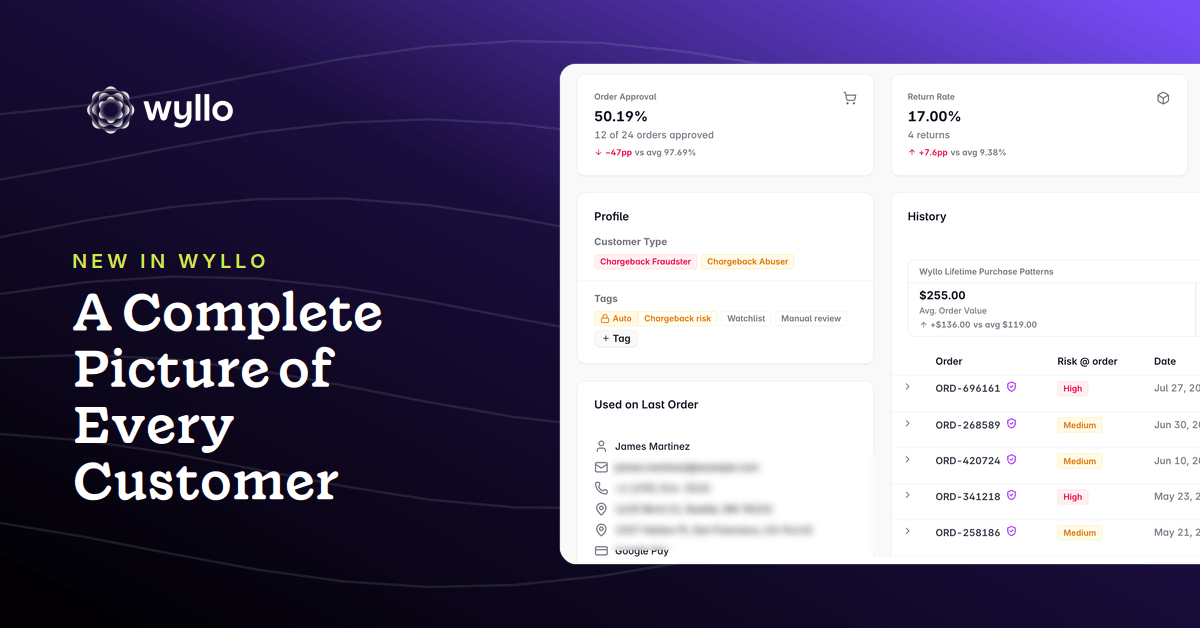
- Verifies risk profiles via network intelligence (like Wyllo) to instantly approve high value exchanges.
- Resolves the problem so seamlessly the customer doesn’t even realize they didn’t talk to a human.
The reality check: if you don’t trust your AI to process a refund or update an address, why are you asking your customers to trust it with their time?
Pillar 2: Stop Hiding your Support
Ecommerce leads often treat the “Contact Us” or “Live Chat” button like a design flaw. They worry it takes up “high stakes real estate” or distracts from the “Buy” button. So they bury it.
This is a conversion killer. Shopping online is an act of vulnerability. A visible chat icon isn’t clutter, it’s a safety net. When you hide it, you trigger a flight response. The customer wonders what you’re hiding from. Are your shipping times a mess? Is your return process a nightmare?
The friction compound effect: by making the customer work to find you, you aren’t deflecting a ticket; you’re creating a “defensive shopper.” By the time they find you, they aren’t looking for help, they’re looking for a reason to never shop with you again.
Pillar 3: The Attribution War and the Data Reality of CX ROI
Whenever I debate whether the chat icon is a distraction, I stop arguing opinions and ask for the data: what is the conversion rate of a customer who interacts with support versus one who doesn’t?
Customers who engage, whether with a human or a high performing AI agent, convert at a significantly higher rate. They aren’t just looking for an answer; they’re looking for the assurance to hit “Buy.”
Who really closed the deal? We’ve been conditioned to worship at the altar of the Meta Pixel. But if a customer clicks an ad, lands on your site, gets cold feet, and only buys because support answered their question, Meta didn’t close that deal. CX did.
We have to stop letting ad tech and marketing narratives dictate the value of our teams. CX is one of the most efficient conversion rate optimization (CRO) tools you have. Tag your support influenced revenue, run the A/B tests, and let the numbers prove that accessibility plus execution equals growth.
Frequently Asked Questions
What is agentic AI in customer service?
Agentic AI goes beyond a scripted chatbot that answers questions. An agentic “do bot” takes action: it cross-references shipping data, verifies risk in real time, and resolves issues like refunds, address changes, or exchanges without handing the customer off to repeat themselves.
Does hiding the live chat or “Contact Us” button increase conversions?
No. Burying support tends to backfire. A visible support option reads as a safety net during a vulnerable moment; hiding it triggers doubt about shipping, returns, or reliability and pushes hesitant shoppers away.
How do you measure CX ROI?
Compare the conversion rate of shoppers who interact with support against those who don’t, tag support influenced revenue, and run A/B tests. The goal is to attribute the revenue that support and CX actually drive, rather than letting ad platforms claim it by default.
What’s the difference between deflection and resolution?
Deflection keeps customers away from your team to cut ticket volume. Resolution clears the path to an answer quickly, whether through agentic AI or a human. Efficiency should feel like a speed up, not a pass off.
Why does support attribution matter?
Last click ad tools often take credit for purchases that support actually closed. Without attribution, CX looks like a cost center instead of the conversion engine it is, which leads to underinvestment in the team driving the revenue.
The Bottom Line on CX ROI
Efficiency shouldn’t feel like a “pass off.” It should feel like a “speed up.” As we scale, the goal isn’t to hide from the customer; it’s to use agentic AI to clear the path, so that when a human does step in, they’re stepping in for a high value conversation, not a data entry task.
This is the thinking behind Wyllo, the CX-first risk intelligence platform: giving support teams and AI agents the real time, merchant specific context to make confident, trust led decisions in the moment, so resolution doesn’t have to wait on a handoff.
Let the data speak for itself. Stop hiding. Start resolving.