How long you actually have to respond to a chargeback, how the windows differ across Visa, Mastercard, Amex, and Discover, and how to build a workflow that never misses one.
The chargeback response time limit is the window a merchant has to answer a dispute with evidence before the case is decided by default. It is the most unforgiving number in dispute management, because unlike a weak argument or thin evidence, a missed deadline cannot be recovered. Respond one day late on an airtight case and you lose it anyway, the revenue and the dispute fee both gone.
The windows are short, they vary by network and dispute stage, and they change as the networks revise their rules. This guide lays out the typical deadlines by network, walks through the stages of the dispute timeline and the clock at each one, explains what happens when you miss, and shows how to build a process that responds well inside the window every time. It is a companion to our guide on how to fight a chargeback through representment and the broader chargeback prevention playbook.
What Is the Chargeback Response Time Limit?
The chargeback response time limit is the deadline, set by the card network and counted from when the chargeback is filed, by which the merchant must submit its representment (the evidence and rebuttal arguing the charge was valid). If the merchant does not respond in time, the issuer’s decision stands and the chargeback is final. There is no appeal for a missed window.
Two things make the limit tricky. First, it is set by the network and the specific dispute stage, not by your acquirer or platform, though you submit through them, so their internal cutoffs are usually earlier than the network’s. Second, the exact number of days varies by network and reason code and is revised periodically. Treat any figure, including the ones below, as a starting point to confirm against your acquirer and the network’s current rules, not as a fixed law.
Response Deadlines by Network
The windows below are the commonly cited merchant response times for a first chargeback. Confirm the current number for your specific dispute against the network’s own documentation, Visa’s Dispute Management Guidelines for Merchants and the Mastercard Chargeback Guide, because these are revised and can differ by region and dispute type.
| Network | Typical merchant response window | Notes |
|---|---|---|
| Visa | Around 30 days from the dispute date | Governed by Visa Claims Resolution; the window and allowed evidence depend on the dispute category and condition |
| Mastercard | Around 45 days from the chargeback date | Defined per reason code in the Mastercard Chargeback Guide; some codes differ |
| American Express | Around 20 days from the inquiry or chargeback | Amex acts as its own issuer, so you respond to Amex directly |
| Discover | Around 30 days from the dispute notice | Discover also issues and acquires, so the exchange is direct |
Because your acquirer or dispute platform sits between you and the network, their submission cutoff is typically several days earlier than the network deadline. Always work to the earliest date in the chain, not the network’s outer limit.
The Dispute Timeline, Stage by Stage
A chargeback is not a single event with one deadline. It moves through stages, each with its own clock:
- Retrieval request (information request). Less common now, but some issuers first ask for transaction details before filing a formal chargeback. Responding promptly can head off the chargeback entirely.
- First chargeback and representment. The main event. The issuer files the chargeback, and the merchant’s response window opens. This is where the deadlines above apply, and where your evidence package and rebuttal letter go in.
- Pre-arbitration. If the issuer rejects your representment, some networks allow a pre-arbitration stage where either side can escalate before formal arbitration. It carries its own short response window.
- Arbitration. The final stage, where the network decides and assesses fees to the losing side. Arbitration fees are high enough that both parties usually settle or concede before reaching it.
Each escalation has a tighter clock than the last, so a case you intend to pursue needs a workflow that can turn evidence around in days, not weeks.
What Happens If You Miss the Deadline
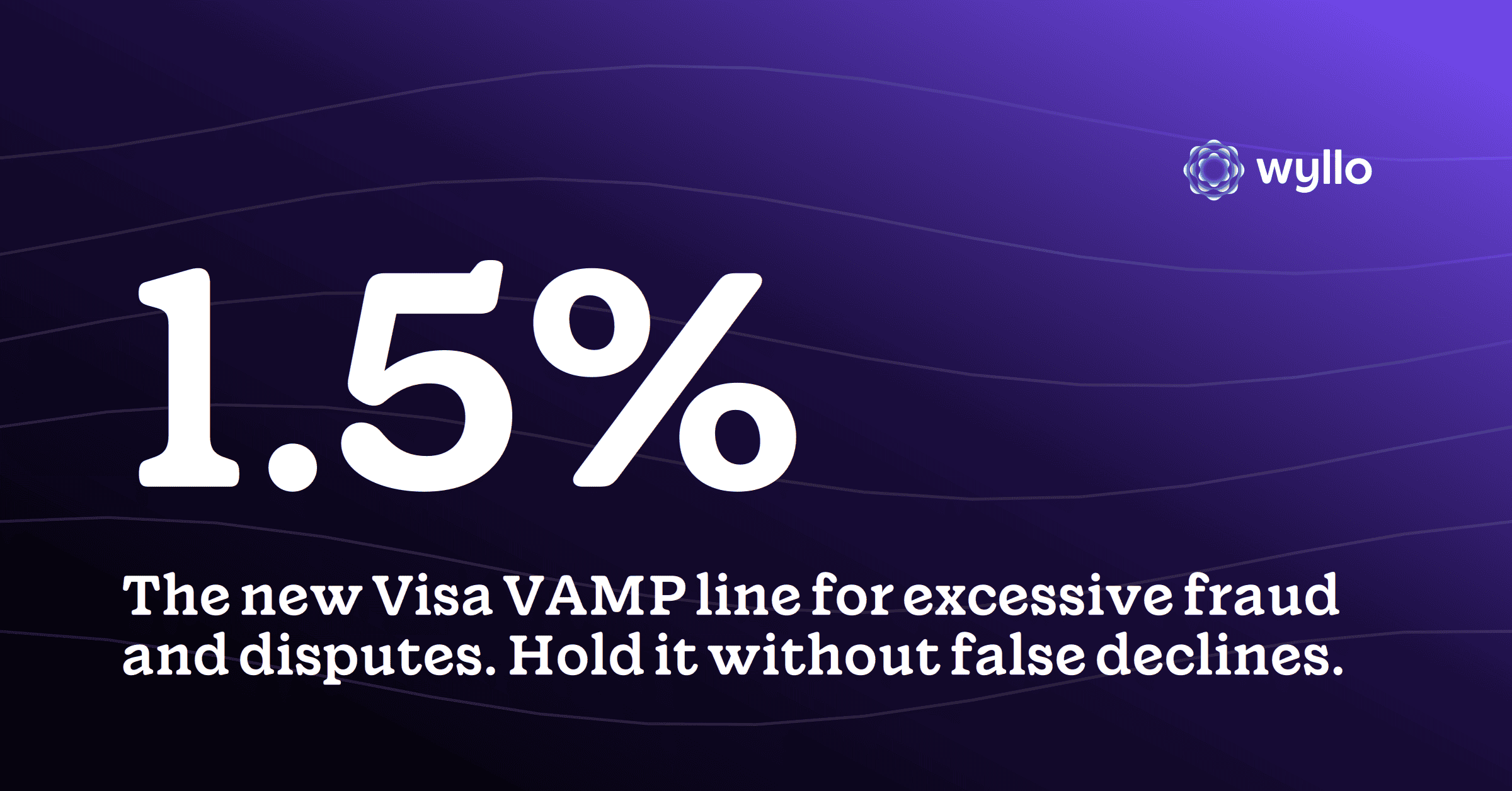
Missing a response deadline is an automatic loss. The issuer’s chargeback stands, you forfeit the disputed amount, and you still pay the dispute fee. Worse, the lost dispute counts toward the network monitoring ratios that decide whether you enter a program like Visa’s Acquirer Monitoring Program (VAMP), so a missed deadline damages both the individual case and your standing with the networks. There is no partial credit for a strong case submitted late.
This is why deadline discipline matters more than argument quality for the average dispute program. A merchant who responds to every winnable case on time, with adequate evidence, will out-recover a merchant with better evidence who misses a third of the windows.
How to Never Miss a Deadline
The fix is process, not heroics:
- Log the deadline the moment the chargeback lands. Record the network deadline and your acquirer’s earlier submission cutoff, and treat the earlier one as the real date.
- Build in a buffer. Target submission several days before the cutoff so a missing tracking number or a holiday does not cost you the case.
- Centralize incoming disputes. Chargebacks that land in scattered inboxes are the ones that get missed. Route them to one queue with clear ownership.
- Pre-stage your evidence. When device, IP, delivery, and order-history data are captured at order time and joinable in minutes, responding inside the window is routine rather than a scramble. Read the reason code first so you assemble the right evidence.
- Automate the clock. Deadline tracking and reminders should not live in someone’s memory. A system that surfaces what is due, and when, is what makes on-time response the default.
How Wyllo Helps
The deadline is only as manageable as the evidence behind it, and the evidence that wins is the evidence captured long before the dispute was filed. Wyllo is the risk intelligence platform for commerce, connecting decisioning across the full customer journey so dispute response is fast and evidence-ready.
- Wyllo Chargeback Management handles dispute responses and representment end to end, tracking deadlines and assembling evidence matched to each reason code, with chargeback protection for eligible orders.
- Wyllo Payment Fraud Protection captures the order-time device, IP, and history data that a fast, winning response depends on.
- Wyllo Claim and Policy Abuse Prevention catches first-party abuse in the post-purchase window, before it becomes a dispute with a clock attached.
Less reaction. More reason.
Frequently Asked Questions
How long do I have to respond to a chargeback?
It depends on the network and reason code, but the first-chargeback response window is commonly around 20 to 45 days from when the dispute is filed. Visa is often around 30 days, Mastercard around 45, American Express around 20, and Discover around 30. Your acquirer’s submission cutoff is usually earlier, so confirm both and work to the earliest date.
What happens if I miss the chargeback response deadline?
You lose the dispute automatically. The chargeback stands, you forfeit the disputed amount and the dispute fee, and the loss still counts toward your network monitoring ratios. A missed deadline cannot be appealed, which is why on-time response matters more than argument quality for most programs.
How long does the entire chargeback process take?
From the first chargeback through any pre-arbitration and arbitration, a dispute can take anywhere from several weeks to a few months, depending on the network, whether it escalates, and how quickly each side responds. Each stage has its own, progressively tighter, response window.
Do chargeback response times differ by card network?
Yes. Visa, Mastercard, American Express, and Discover each set their own windows, and they vary further by reason code and region. Amex and Discover act as their own issuers, so you respond to them directly. Always verify the current deadline against the specific network’s rules.
What is a retrieval request?
A retrieval request (or information request) is an issuer asking for transaction details before filing a formal chargeback. They are less common than they once were, but responding promptly and completely can resolve the cardholder’s question and prevent a chargeback from being filed at all.
Can I get an extension on a chargeback deadline?
Generally no. Network response windows are fixed and not negotiable case by case. The practical answer is to build a workflow that responds well inside the window every time, rather than counting on more time you will not get.
Bringing It Together
Of all the numbers in dispute management, the response deadline is the one that rewards discipline over cleverness. The windows are short, they differ across Visa, Mastercard, Amex, and Discover, they tighten at every escalation, and missing one turns even an airtight case into an automatic loss. The merchants who recover the most are simply the ones who never let a winnable dispute expire.
Build the process first: log every deadline on arrival, work to your acquirer’s earlier cutoff, pre-stage evidence at order time, and automate the clock. Then the deadline stops being a threat and becomes routine. Start with Wyllo Chargeback Management for deadline tracking and dispute response, or explore the broader Wyllo platform for connected intelligence across the full customer journey.