What behavioral segmentation covers, why most programs only see half of it, and how to build segments that hold up after the purchase.
Behavioral segmentation is the practice of grouping customers by what they do rather than who they are: what they buy, how often they return, how they respond to promotions, which channels they use, and how they behave after the order ships. Where demographic segmentation sorts customers by age, location, or income, behavioral segmentation sorts them by evidence. It is the difference between guessing that a customer might churn because of their zip code and knowing they buy twice a year, always at full price, and have never opened a support ticket.
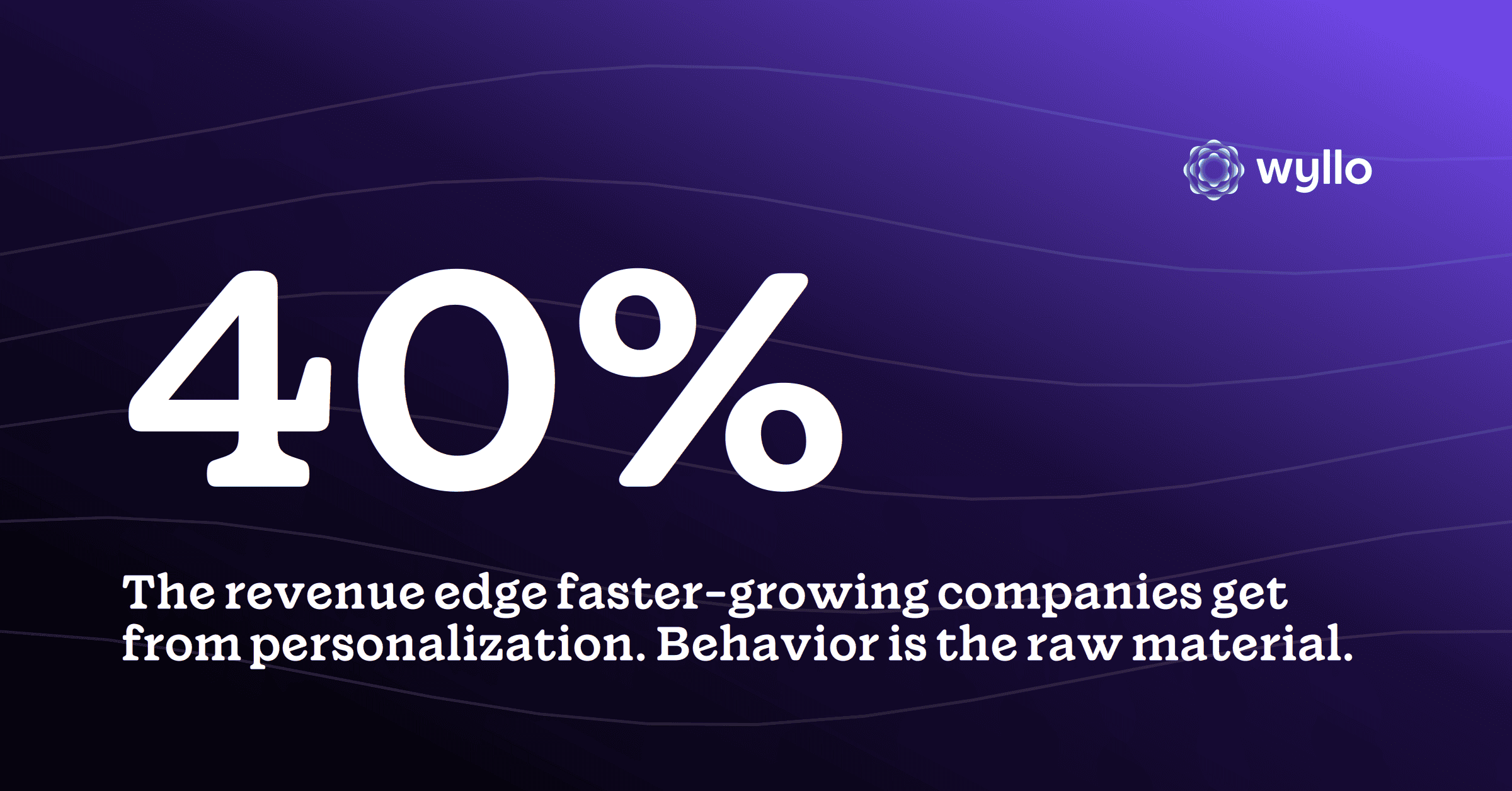
Ecommerce teams already trust this idea on the marketing side. McKinsey’s research on personalization found that 71% of consumers expect personalized interactions, 76% are frustrated when they don’t get them, and companies that grow faster derive 40% more revenue from personalization than their slower-growing peers. Behavior is the raw material for all of it.
The gap is that most segmentation programs were built by and for marketing, so they only see the behaviors marketing systems capture. The customer’s post-purchase behavior, which is where profitability is actually decided, rarely makes it into the segments at all. This guide covers what behavioral segmentation is, the behaviors worth segmenting on, and how to extend segments past the purchase so they describe the whole relationship.
Behavioral Segmentation vs. Demographic Segmentation
Demographic and firmographic segments answer “who is this customer.” Behavioral segments answer “how does this customer act,” and in ecommerce the second question predicts the first metric that matters. Two customers can share an age bracket, a city, and an acquisition channel while one buys quarterly and keeps everything and the other orders five sizes, returns four, and disputes the fifth.
The classic behavioral dimensions are purchase behavior (frequency, recency, order value, category mix), engagement behavior (email and site activity, browse patterns), occasion or timing (seasonal shoppers, drop chasers, gift buyers), loyalty status, and benefit sought (the discount-driven versus the convenience-driven). Frameworks like RFM scoring, which ranks customers by recency, frequency, and monetary value, are behavioral segmentation in its most compact form.
All of these share one trait: they describe the customer on the way to the purchase. That is where most programs stop, and it is why so many segments flatter customers who are quietly unprofitable.
The Half of Behavior Most Segments Never See
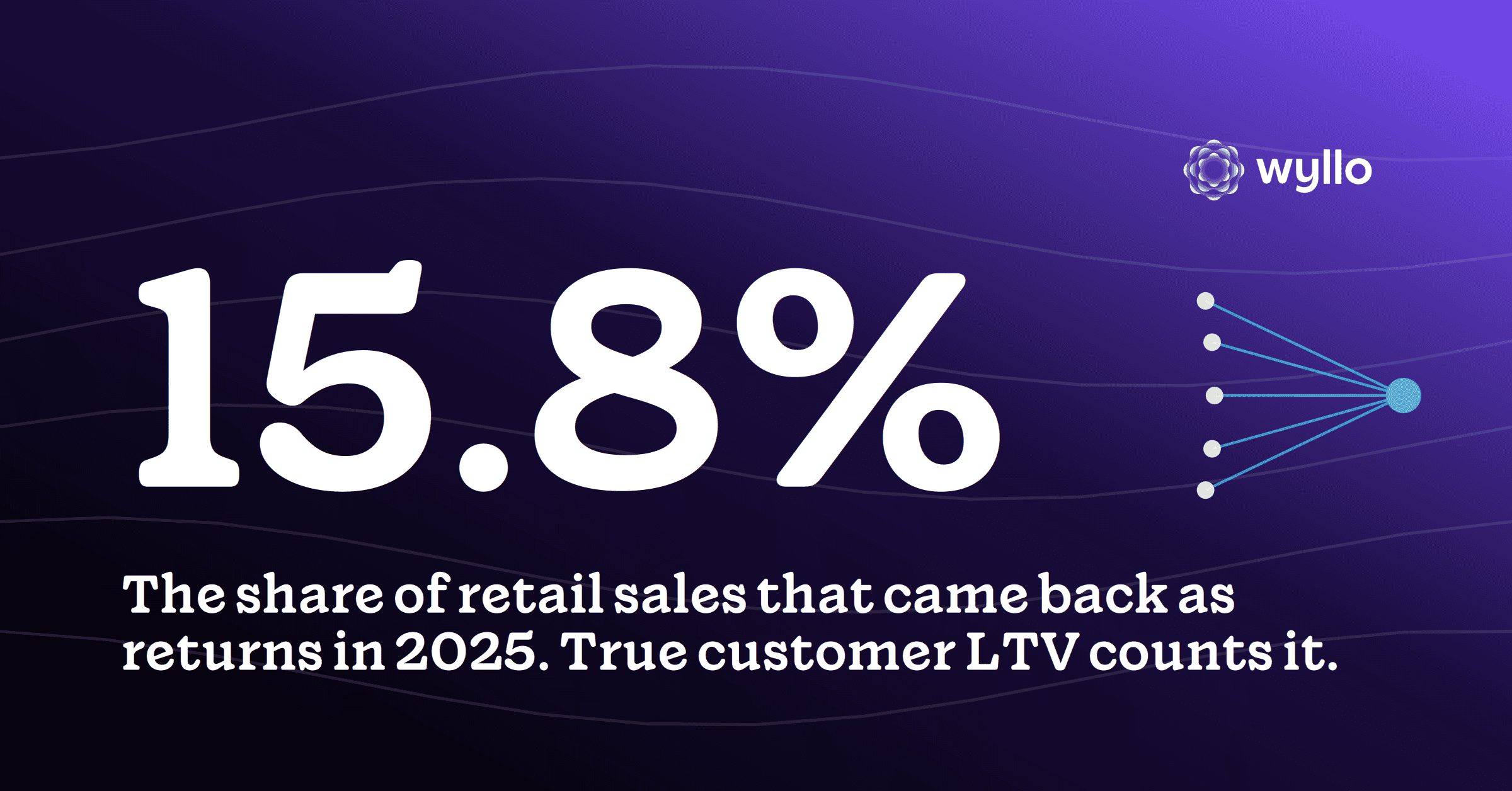
The most expensive customer behaviors in ecommerce happen after checkout. Returns run at enormous scale, with the National Retail Federation projecting nearly $850 billion in merchandise returned in 2025. Disputes have shifted from stolen cards to the customers themselves, with Mastercard research finding first-party fraud now drives more than 45% of all chargebacks. None of that behavior lives in a marketing platform.
That blind spot cuts both ways. A “VIP” segment built on gross spend will happily include the customer whose returns and claims erase the margin on everything they buy. And a good customer with an unusual shipping address can get treated like a stranger by fraud rules that never saw their history, which is part of why PYMNTS found merchants estimate up to 5% of legitimate orders are wrongly declined. Both failures come from the same root: the segment described a slice of the customer’s behavior and was treated as if it described the customer.
Behavioral segmentation that holds up operationally needs the post-purchase half: return rate and return patterns, claim history (item not received, damaged, warranty), dispute and chargeback history, support contact patterns and appeasements, and payment risk signals. Those behaviors separate a loyal high-spender from a polished abuser far more reliably than anything on the marketing side, because intent shows up most clearly in what a customer does after the money moves.
Behavioral Segments Worth Building First
The segments that earn their keep are the ones a team can act on. A few that consistently matter for commerce brands:
- Profitable loyalists. High net value after returns, claims, and service costs, not just high spend. These customers have earned less friction: faster refunds, relaxed verification, generous policy treatment.
- Honest high-returners. Elevated return rates with consistent, explainable patterns, such as apparel buyers sizing between two options. They need better product data and fit guidance, not punishment.
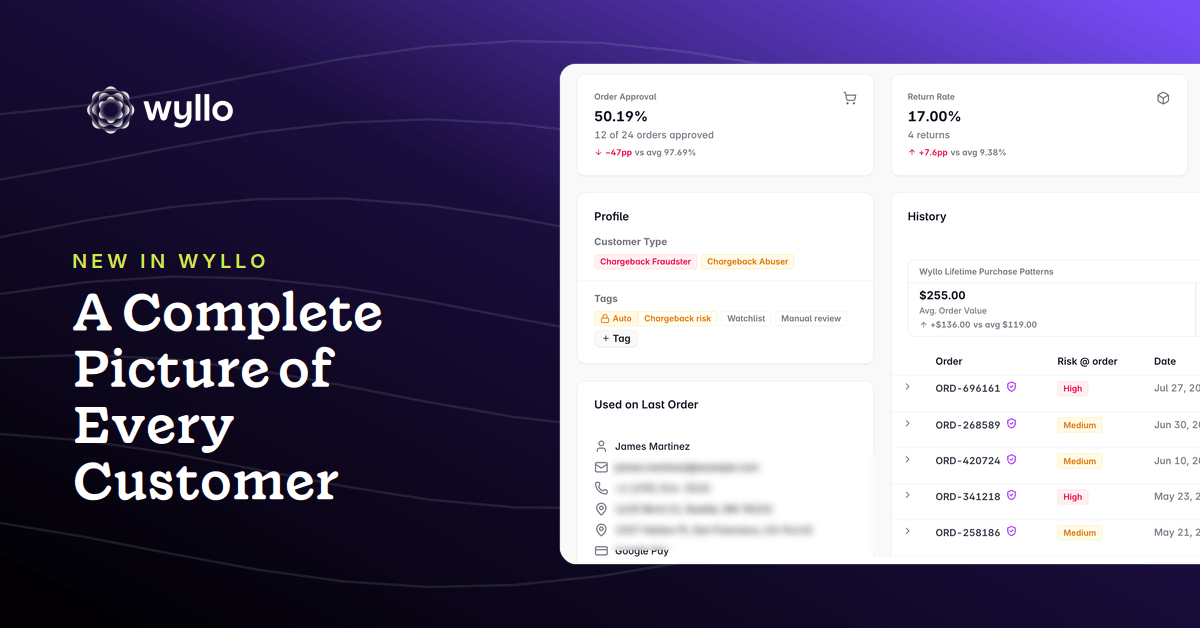
- Serial abusers. Returns, claims, or disputes that only make sense as a business model. The pattern is invisible order by order and obvious in aggregate, which is what a customer risk profile exists to show.
- Promotion-dependent buyers. Purchase only with a discount. Worth knowing before the next sitewide code trains them further.
- New and unknown. No history yet. The honest answer is that they belong in a provisional segment where the business earns confidence in both directions.
Two design rules keep these useful. Segment on the relationship, not the transaction, because a single order tells you almost nothing about intent. And keep segments dynamic, because a customer who was a loyalist last year may be drifting toward abuse this year, and a rigid label will misprice them in both directions.
From Segments to Decisions
A segment that only feeds a campaign list is an insight. A segment that changes how the business treats the customer is an operating decision, and that is the standard worth aiming for.
In practice that means pairing each segment with a differentiated treatment: which customers get instant refunds versus verification at the returns desk, which orders skip review, which claims get paid without questions, which accounts get a closer look at checkout. Teams do this today with manual tagging, standing rules, and tribal knowledge, and the merchants who do it well share one habit: the treatment follows the behavior, so good customers feel trusted and abuse gets friction, instead of one blanket policy taxing everyone equally.
The other half of the discipline is measurement. A segment-based policy is a hypothesis about behavior, and it deserves a before-and-after answer: did the return rate move, did repeat purchase hold, did the dispute ratio fall. Segments that never get measured tend to calcify into folklore.
How Wyllo Helps
Behavioral segmentation is only as good as the behavior it can see, and the post-purchase half lives in risk and CX systems. That is the ground Wyllo, the risk intelligence platform for commerce, was built on: reading intent across the whole customer journey instead of one transaction at a time.
- Wyllo Payment Fraud Protection contributes the order decisions and risk scores that tell you how a customer transacts, so approval treatment can follow earned trust.
- Wyllo Return Fraud and Abuse Prevention reads return behavior across the relationship, separating honest high-returners from serial abuse.
- Wyllo Claim and Policy Abuse Prevention scores claim and policy behavior post-purchase and links repeat actors across identities.
- Wyllo Bot and Reseller Detection catches the segments nobody wants to serve: fake accounts, multi-account abuse, and unauthorized resellers hiding inside customer counts.
Built for who belongs. Segments work when they describe real people accurately, in both directions.
Frequently Asked Questions
What is behavioral segmentation in ecommerce?
Behavioral segmentation groups customers by their actions: purchase frequency and value, engagement, channel use, and post-purchase behavior like returns, claims, disputes, and support contacts. It contrasts with demographic segmentation, which groups customers by attributes like age or location.
What are examples of behavioral segments?
Common examples include profitable loyalists, honest high-returners, serial returners or abusers, promotion-dependent buyers, seasonal or drop-driven shoppers, and new customers with no history. The most useful segments pair a behavior pattern with a treatment the business actually applies.
How is behavioral segmentation different from RFM?
RFM (recency, frequency, monetary value) is one compact form of behavioral segmentation built from purchase data alone. Full behavioral segmentation adds engagement and post-purchase behavior, which is where returns, claims, and disputes make the difference between gross spend and real profitability.
Why should risk and CX teams care about segmentation?
Because blanket policies price every customer identically. Segmentation lets good customers keep fast refunds and low friction while concentrated abuse gets scrutiny, which protects margin and customer experience at the same time instead of trading one for the other.
What data do you need for behavioral segmentation?
Order history, engagement data, and the post-purchase record: returns and their outcomes, claims, chargebacks, support contacts and appeasements, and payment risk signals. A single customer view that includes risk is the practical prerequisite, since behavior scattered across systems can’t be segmented.
Bringing It Together
Behavioral segmentation already won the argument in marketing. Customers expect to be treated like the people their behavior shows them to be, and the revenue follows the brands that do it well. The unfinished work is extending that same idea past the purchase, where returns, claims, disputes, and service costs decide whether a customer is actually profitable and where intent shows itself most honestly.
Merchants who build segments on the whole relationship get something better than sharper campaigns. They get grounds for differentiated treatment: trust that is earned and extended, friction that is reserved for the behavior that deserves it, and policies that can be measured instead of assumed. Less reaction. More reason.
Start with the behavior you already generate: what goes into a customer risk profile, and explore the Wyllo platform to see what segmentation looks like when the post-purchase half of the customer is finally in the picture.