The single customer view was built to answer marketing questions. Risk questions live in the systems it never connected.
A single customer view is the promise that every interaction a customer has with your business rolls up into one unified record. Most commerce brands have chased it for a decade, usually through a CRM or customer data platform, and usually for marketing: better segmentation, better personalization, fewer customers repeating themselves to support.
Here is the problem. Even where that project succeeds, the resulting view answers “who is this customer and what have they bought?” It almost never answers the question that determines whether the relationship is worth having: what does this customer actually do to your margin across fraud, returns, claims, and disputes? The single customer view can see the shopper. It cannot see the risk.
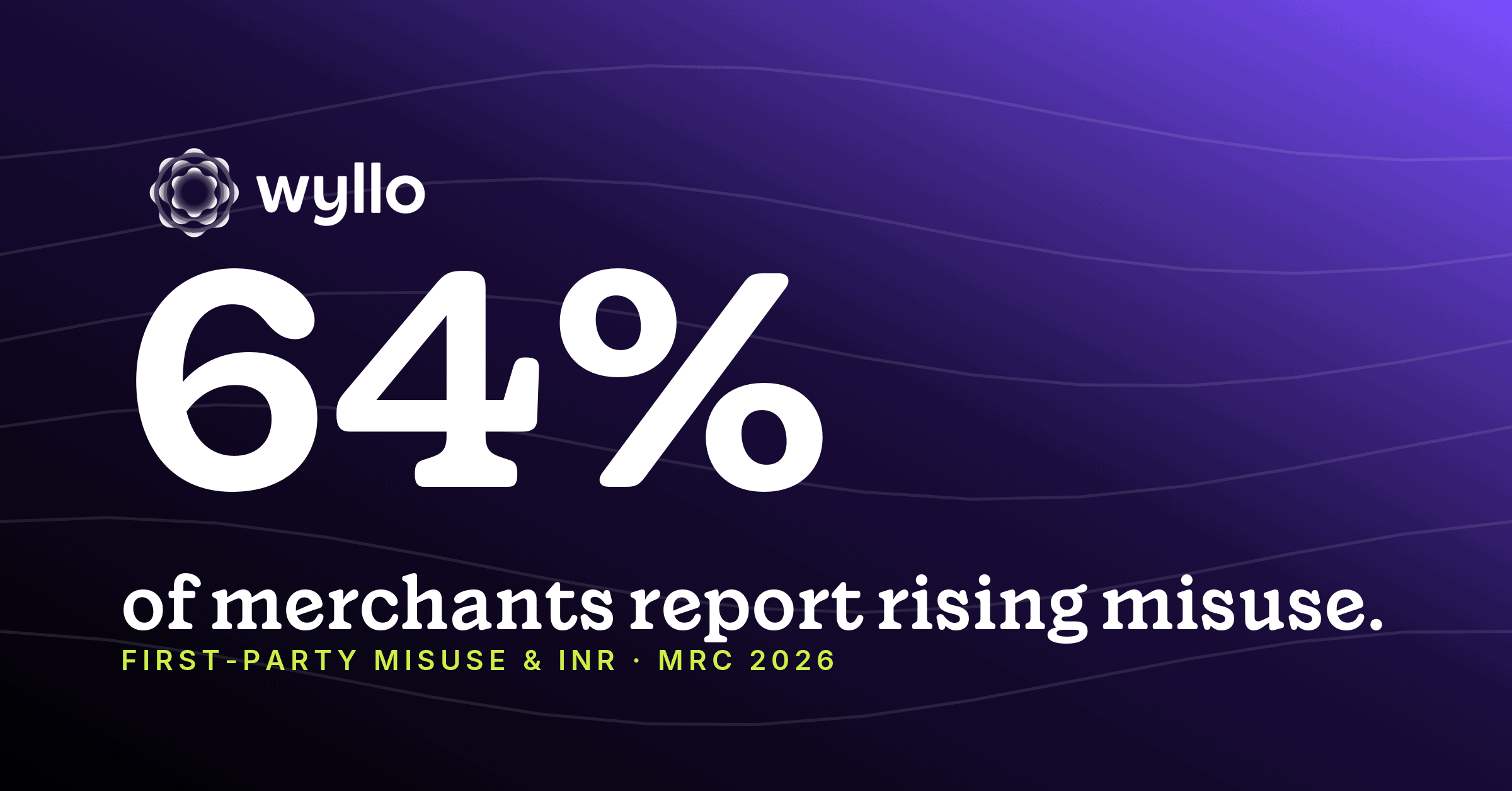
That gap matters more every quarter. The Merchant Risk Council’s 2026 Global Payments and Fraud Report found 62% of merchants reporting increases in chargebacks tied to first-party misuse and 57% citing increases in refund and policy abuse. Both are relationship-level behaviors, and both are invisible to a customer view assembled from marketing and service data alone.
Why the Single Customer View Is Still Hard
The industry has been honest about how difficult unification is. As CX Today’s 2026 analysis of the single customer view puts it, a CRM alone is a storage system, and when customer data scatters across hundreds of disconnected applications, the CRM becomes one more endpoint in the mess. The same piece cites Salesforce connectivity research finding large enterprises run nearly 800 applications on average, with only about a third of them integrated.
The standard obstacles are familiar: fragmented systems, identity resolution across mismatched records, decaying data quality, and profiles that update slower than the events they describe. Commerce brands feel all of them. But there is a fifth obstacle the CX conversation rarely names: the systems that hold risk signal were never invited to the unification project in the first place.
The Views Your Stack Already Has
Look at where the signal about a single shopper actually lives:
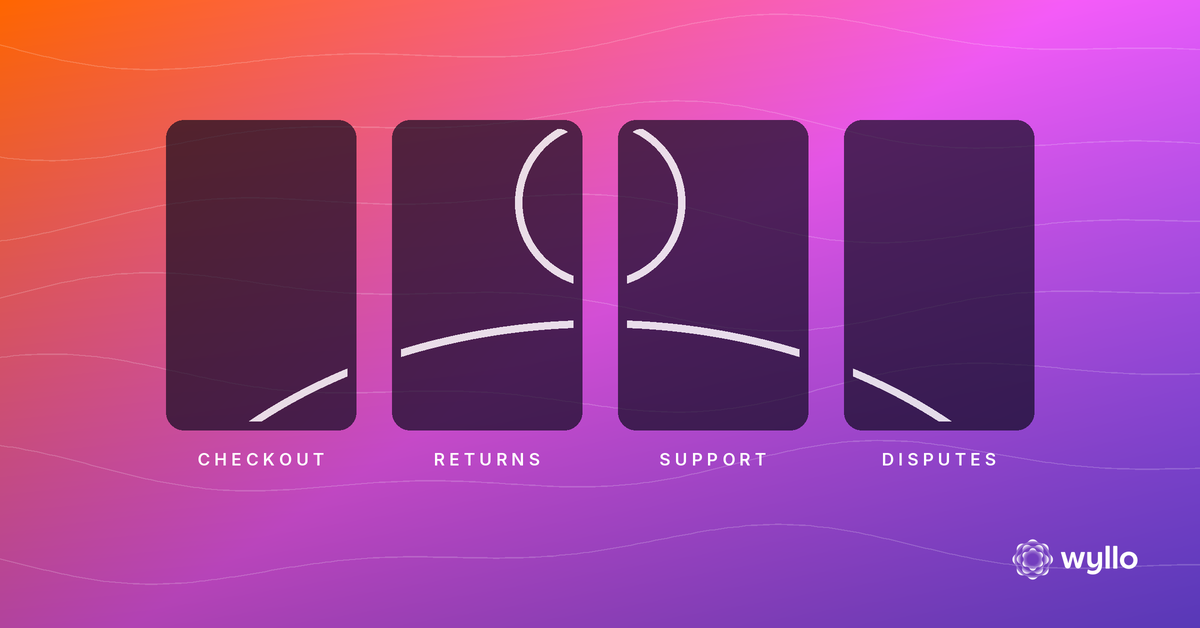
- Your fraud tool sees the transaction. It scores the order at checkout and moves on. Yesterday’s approval and next month’s refund are out of frame.
- Your returns platform sees the refund. It processes the label and the credit, but it has no idea the same shopper disputed a charge in March.
- Your CX tool sees the conversation. The agent reads the ticket history, not the return rate behind it or the risk score on the order being appeased.
- Your payments stack sees the dispute. By the time a chargeback arrives, it is weeks removed from the behavior that produced it.
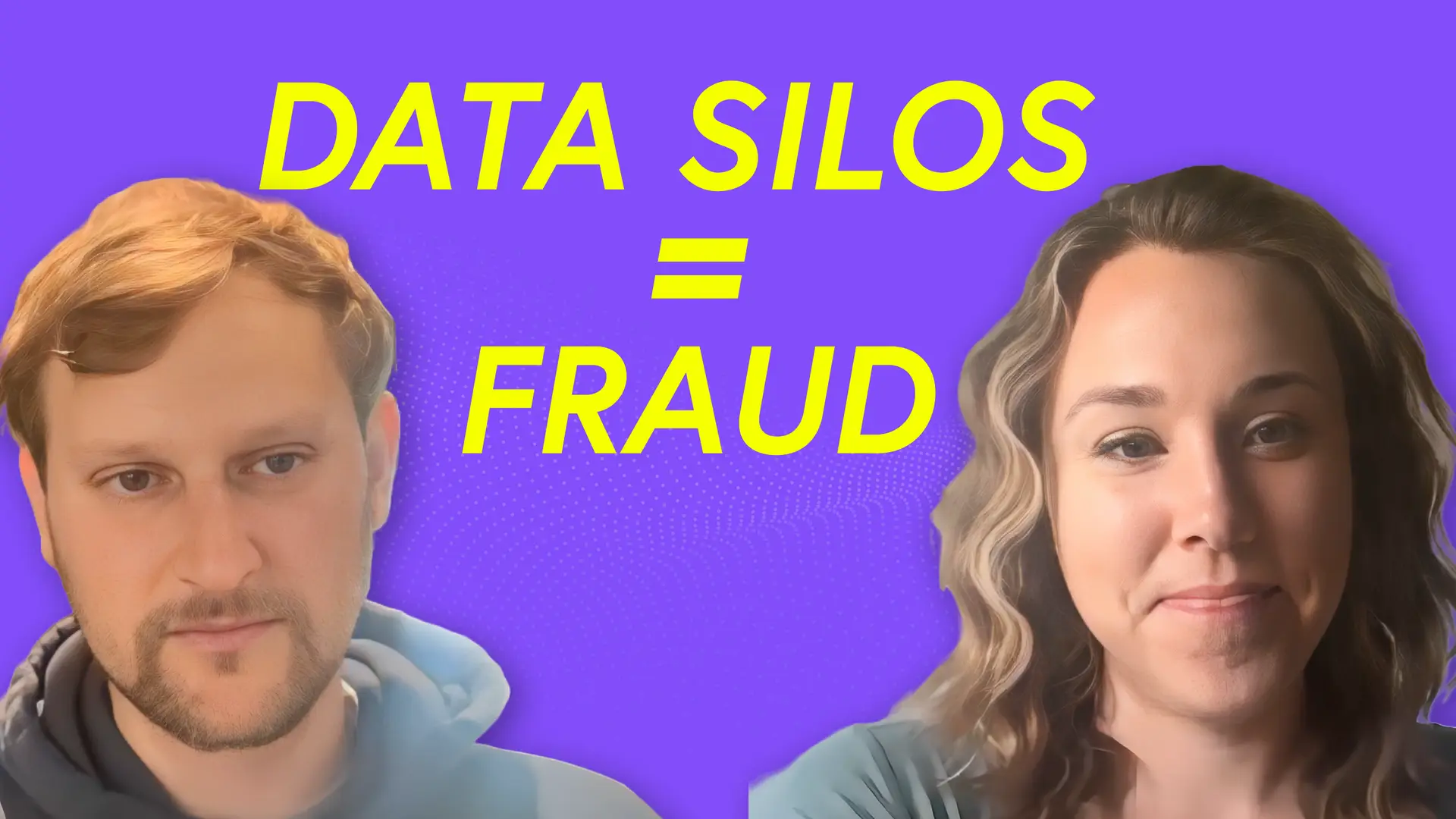
Every one of these views is accurate. None of them is complete. Nothing in the stack sees the shopper across all of it, which is the only vantage point from which intent becomes legible. Identity tells you who someone is. Intent tells you what they are about to do, and intent only shows up in the connections between these systems, never inside any single one. It is the same structural problem we unpacked in where ecommerce fraud actually hides: the silos are the vulnerability.
Why Risk Falls Through the Gaps
Fragmentation is not just an inconvenience. It is exactly the seam that bad actors exploit, because a behavior split across four systems clears the bar in each one individually.
A serial returner’s fifth “damaged item” claim looks like anyone’s first to a returns platform that only sees returns. An appeasement farmer looks like a service opportunity to an agent who only sees the ticket. A shopper who cycles fraud, refund abuse, and disputes across channels never accumulates a record anywhere, because every system judges its own slice in isolation. Grey area behavior is only grey when you can’t see the pattern.
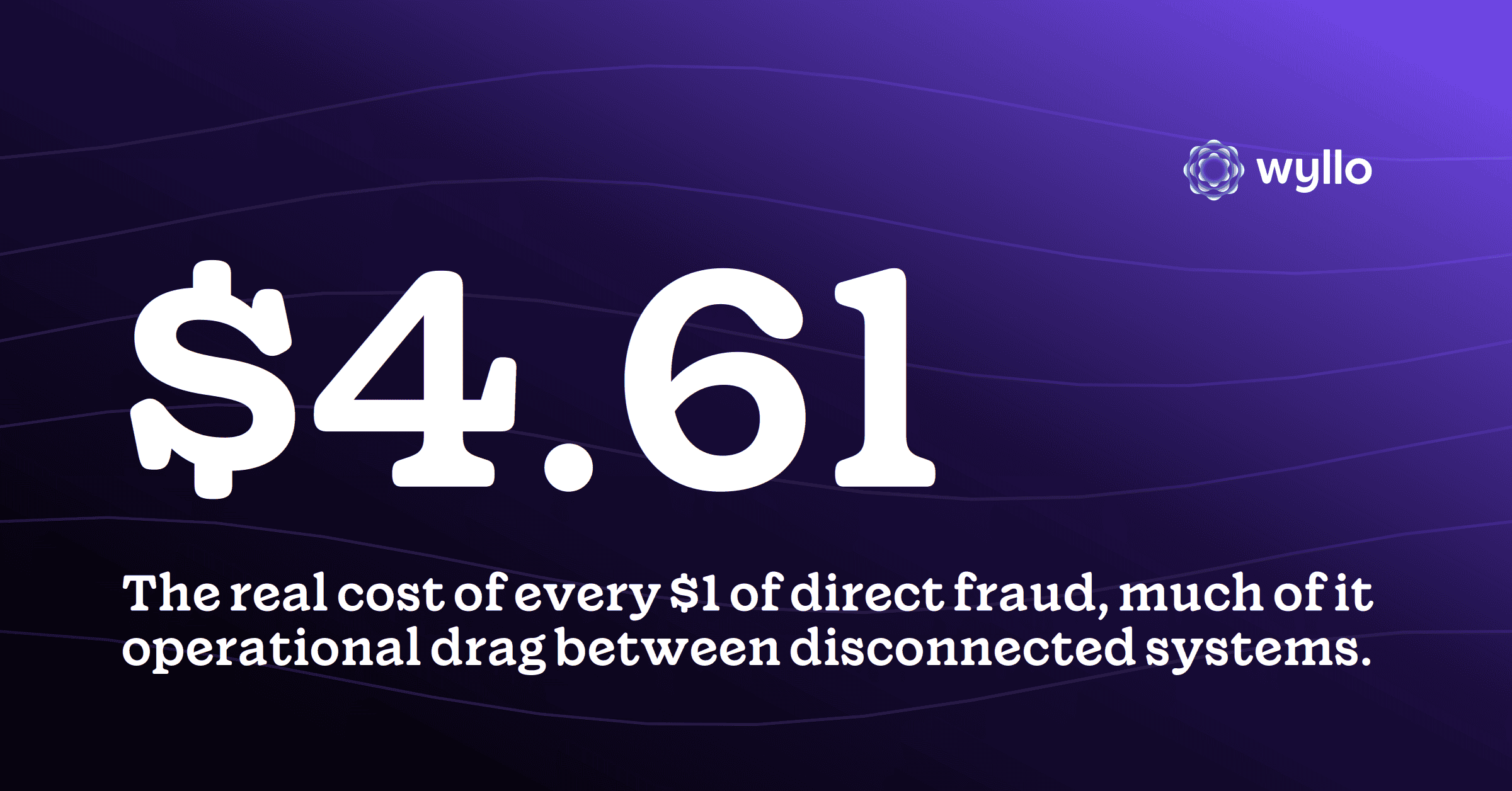
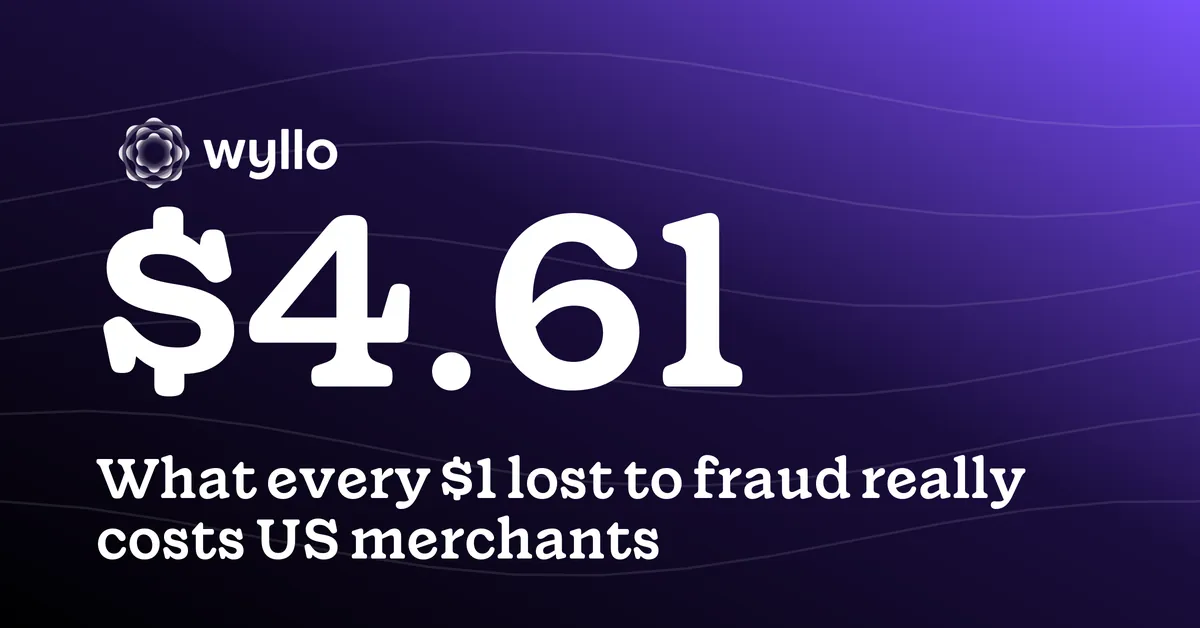
The cost side compounds it. LexisNexis Risk Solutions’ 2025 True Cost of Fraud study found that every $1 of fraud costs US ecommerce and retail merchants $4.61 all-in, and that 41% of North American merchants still depend on manual processes. In practice, much of that manual work is reassembly: an analyst or agent pulling a customer’s story together from four systems before anyone can exercise judgment. The single customer view was supposed to end that work. For risk teams, it never started.
What a Risk-Complete Customer View Includes
Closing the gap doesn’t mean abandoning the single customer view. It means finishing it. A customer view that can see risk connects the data marketing never asked for:
- Full order history with the decision and risk score at the time of each order
- Return rate, refund requests, and refund-without-return frequency
- Claim history: damaged, not as described, item not received
- Chargebacks and dispute outcomes
- Support interactions, appeasements, and goodwill credits
- Identity and payment signals that connect behavior across touchpoints
- Net contribution after returns, claims, and appeasements, not just gross spend
Connected this way, the view works in both directions. It surfaces the repeat patterns that quietly drain margin, and it identifies the customers whose clean history has earned less friction. That combination has a name: a customer risk profile, the risk-complete version of the record your CRM was always trying to be.
How Wyllo Helps
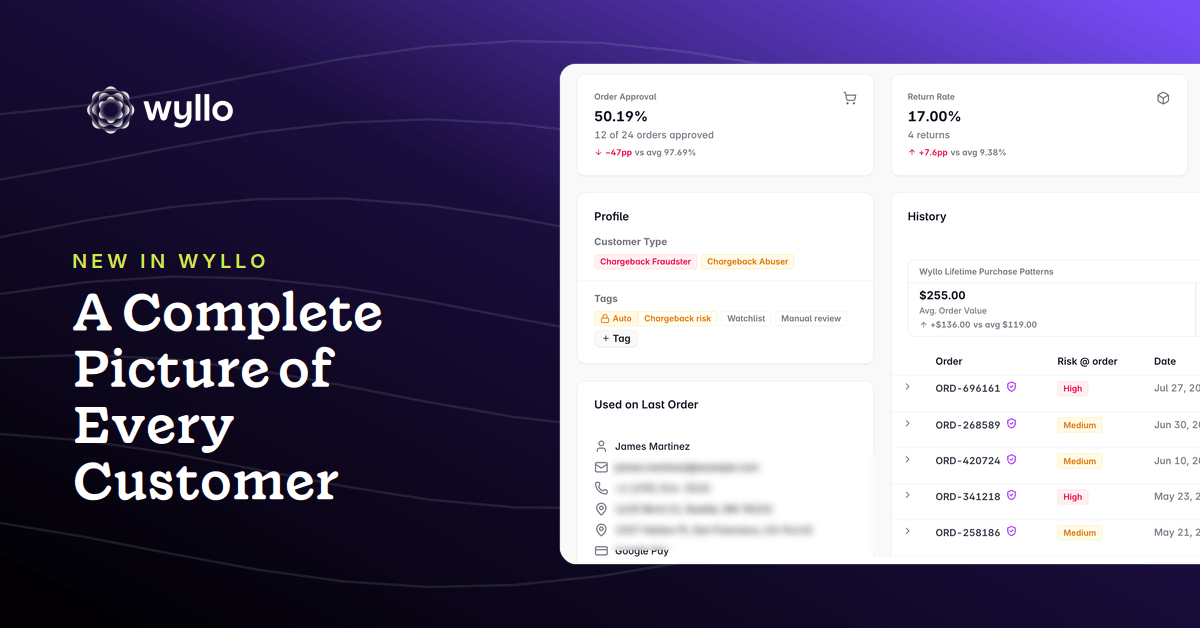
Wyllo, the risk intelligence platform for commerce, was built on the premise that the shopper is the unit of analysis, not the transaction. Customer Profile gives every customer in a store a single page that a CX agent, a fraud analyst, and an operations lead can all read: spend and profitability metrics, approval rate, returns and chargebacks, order history with preserved risk scores, and tags that route work.
The intelligence behind that page comes from decisioning that already spans the journey:
- Wyllo Payment Fraud Protection contributes the order decisions and risk scores.
- Wyllo Return Fraud and Abuse Prevention and Wyllo Claim and Policy Abuse Prevention contribute the post-purchase behavior a marketing-led view never captures.
- Wyllo CX Support delivers the unified context into the tools agents already work in, so the single view informs the decision instead of living in another tab.
Clarity over chaos: one record, read by every team, instead of four accurate fragments.
Frequently Asked Questions
What is a single customer view?
A single customer view is one unified record of a customer’s identity, attributes, and interactions across every system a business runs. It is typically assembled in a CRM or customer data platform and used for marketing, personalization, and service.
Why can’t a CRM show customer risk?
CRMs unify the data they are connected to, and risk signal rarely lives there. Fraud decisions sit in the fraud tool, returns in the returns platform, disputes in the payments stack. A CRM can only reflect the systems feeding it, so a customer’s risk behavior stays invisible even when the marketing view looks complete.
What data does a customer view need to see risk?
Order decisions and risk scores, return and refund behavior, claim and chargeback history, support appeasements, identity and payment signals, and net contribution after all of it. The goal is the pattern across the relationship, which no single system can show.
How is a customer risk profile different from a single customer view?
A single customer view unifies who the customer is and what they bought. A customer risk profile adds what the relationship costs and signals: returns, claims, disputes, appeasements, and the risk context behind each order, read in both directions to catch abuse and to reward earned trust.
Bringing It Together
The single customer view failed risk teams not because unification is impossible but because the project was scoped for marketing. The systems that watch the transaction, the refund, the conversation, and the dispute each built an accurate view of their slice, and the shopper stayed invisible in the seams between them.
Commerce brands that close those seams get a different kind of visibility: intent. The fourth “damaged” claim stops looking like the first, the loyal customer stops getting challenged like a stranger, and the fragmentation tax stops compounding. Start with what goes into a customer risk profile, and explore the Wyllo platform to see what a customer view looks like when risk was invited from the start.