How gifting narratives social engineer refunds out of peak-season support queues, and the verification that stops the holiday refund fraud script without stalling real customers
Every fraud team plans for the holiday traffic spike. Fewer plan for the story spike. The most effective exploit of peak season is not a stolen card or a bot at checkout. It is a well told gift story landing on a support agent with two hundred tickets in the queue and a handle time target.
Holiday refund fraud is the use of gifting narratives, sympathy, urgency, and deliberately missing details, to social engineer refunds, reshipments, and appeasements out of customer support without the verification a normal claim would face. The gift framing is the tool. A gift plausibly has no order number, no purchase email, and no receipt, so the claim arrives pre-excused from almost every check an agent would normally run.
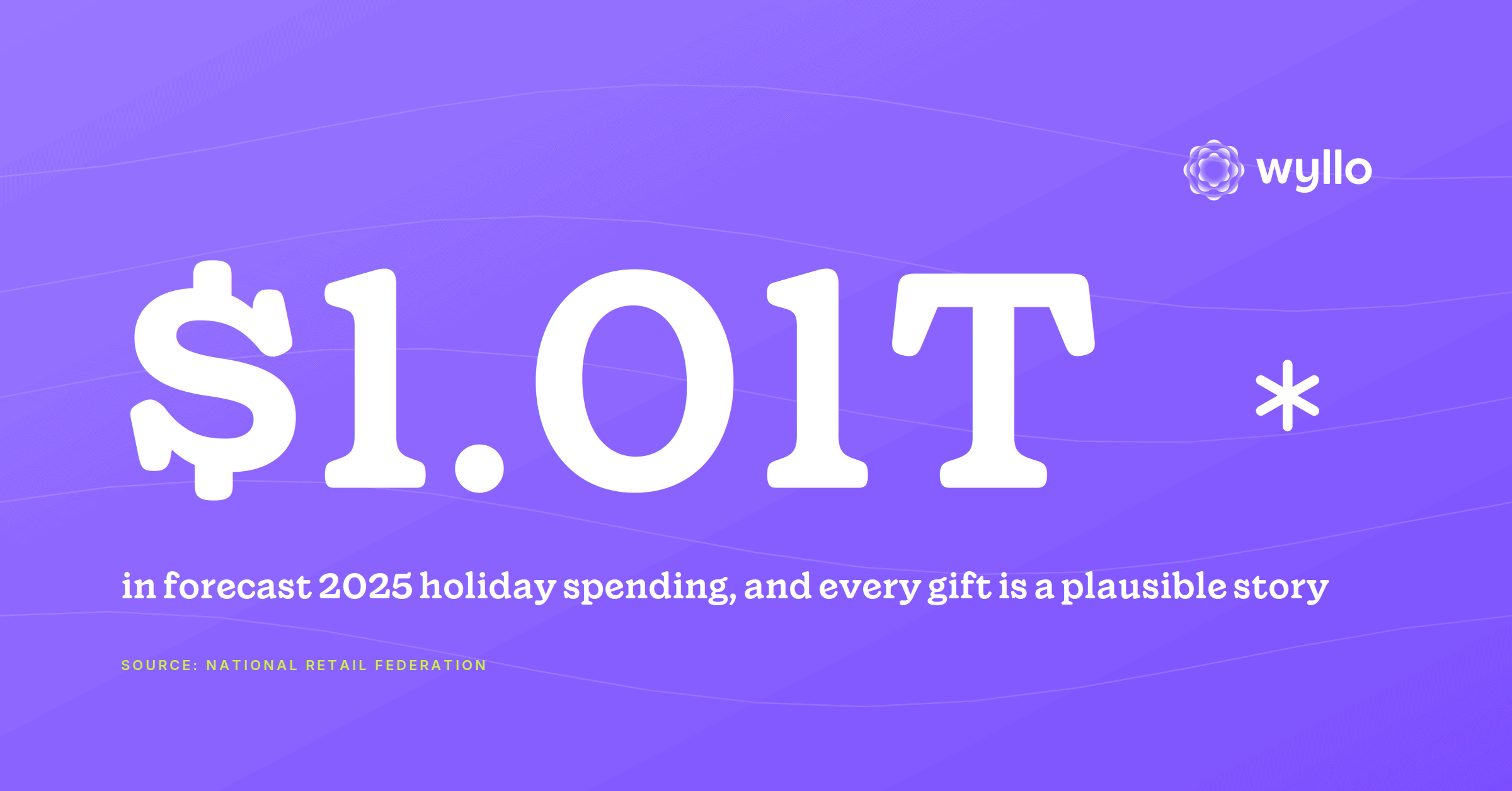
The season supplies the cover. NRF forecasts holiday spending between $1.01 trillion and $1.02 trillion for 2025, with consumers planning around $890 per person on gifts, food, and seasonal items, so a stranger claiming a gift went wrong is plausible by default. And the adversary has professionalized: Visa’s fall 2025 threat research, published ahead of the holiday season, describes criminals operating like tech startups, building reusable infrastructure and timing their use of stolen data to evade detection.
Why the Gift Story Works in December
Four conditions make the gifting narrative the strongest social engineering frame of the year.
- Plausible ignorance. A gift recipient legitimately lacks the order number, the purchase email, and the price. Every missing detail that would flag an ordinary claim is excused in advance.
- Unverifiable relationships. An agent has no way to confirm that a caller’s aunt bought the item, so the story shifts the burden of proof onto the merchant’s willingness to disappoint someone.
- Manufactured urgency. An arrive-by date is the rare deadline the merchant feels obligated to honor. Urgency is the classic social engineering lever, and the season builds it in for free.
- Peak-queue economics. Agents graded on speed during the busiest weeks of the year are structurally rewarded for resolving, not verifying. The fraud is priced to sit below the escalation threshold.
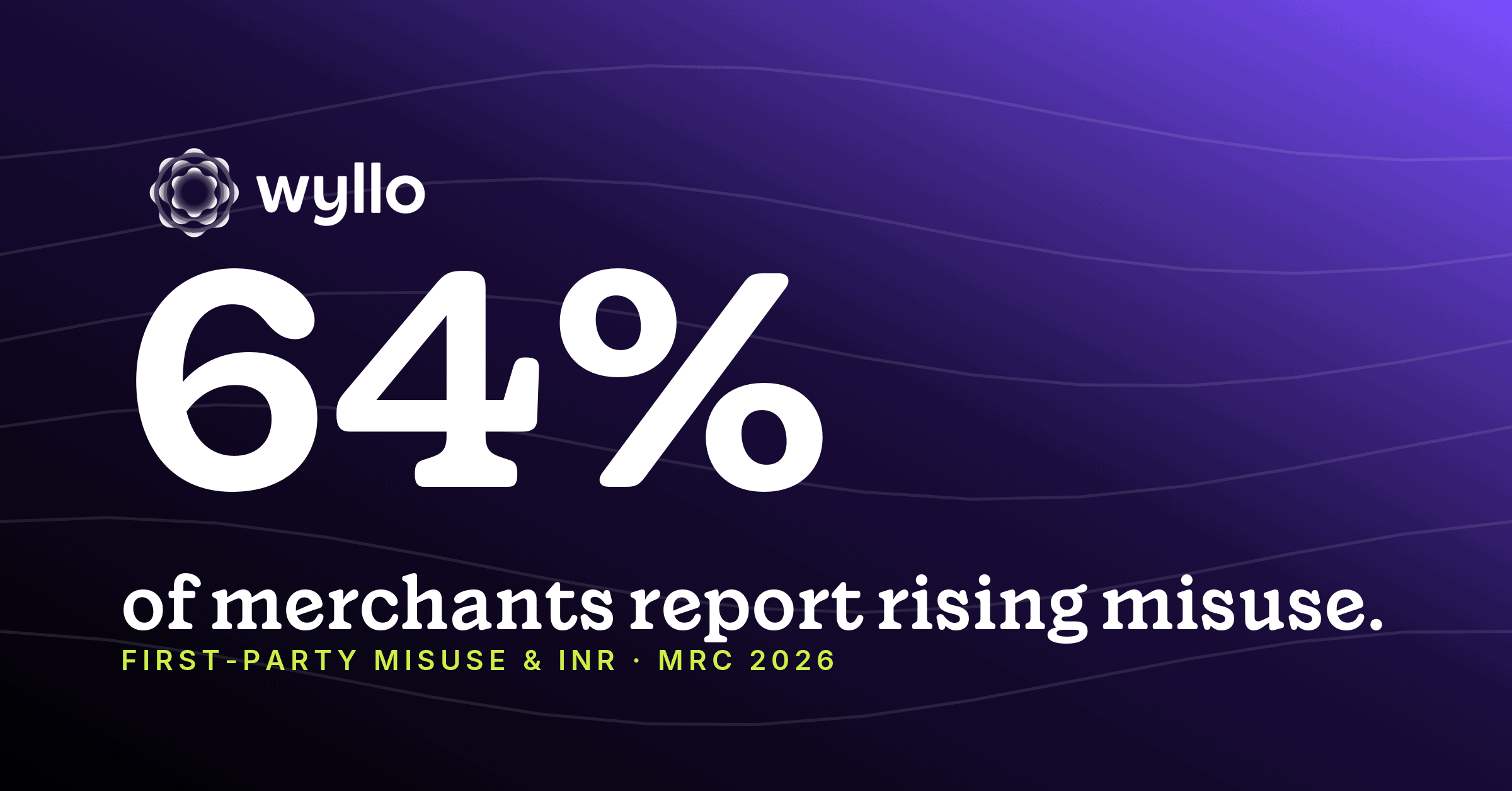
None of this requires most claims to be false. The Merchant Risk Council’s global fraud research ranks refund and policy abuse as the top fraud threat in ecommerce, and Mastercard puts first-party fraud above 45% of all chargebacks. A small share of manufactured claims, arriving inside a flood of real ones, is the whole design.
The Scripts Your Team Will Hear
The variants change costumes each season; the mechanics repeat.
- The giftee refund redirect. A recipient reports a gift as broken or never arrived and asks for the refund on their own card, since the purchaser “would be embarrassed.” Refunds that leave the original payment method are how stolen goods become clean money.
- The missing details play. No order number and a wrong email push the agent to search loosely, and a sympathetic claim gets attached to an order the caller never placed.
- The two channel double dip. The same claim collects a support appeasement and a bank dispute, because the two channels resolve it separately and never compare notes.
- The deadline squeeze. A demand that a replacement arrive before the holiday trades verification for speed, and the expedited reship is the product being harvested.
- The empty box gift. A relative opened it and found nothing inside, reported secondhand so no one on the call ever saw the package. The pattern behind these claims is covered in how to spot item not received fraud.
Verification That Doesn’t Ruin a Real Customer’s Holiday
The answer is not suspicion. Most gift claims are exactly what they say they are, and an interrogation at the worst moment of the year is how loyal customers become former ones. The answer is design.
- Verify the order, not the story. Anchor every resolution to an order the caller can be connected to. Order-level facts can be checked without doubting anyone’s aunt.
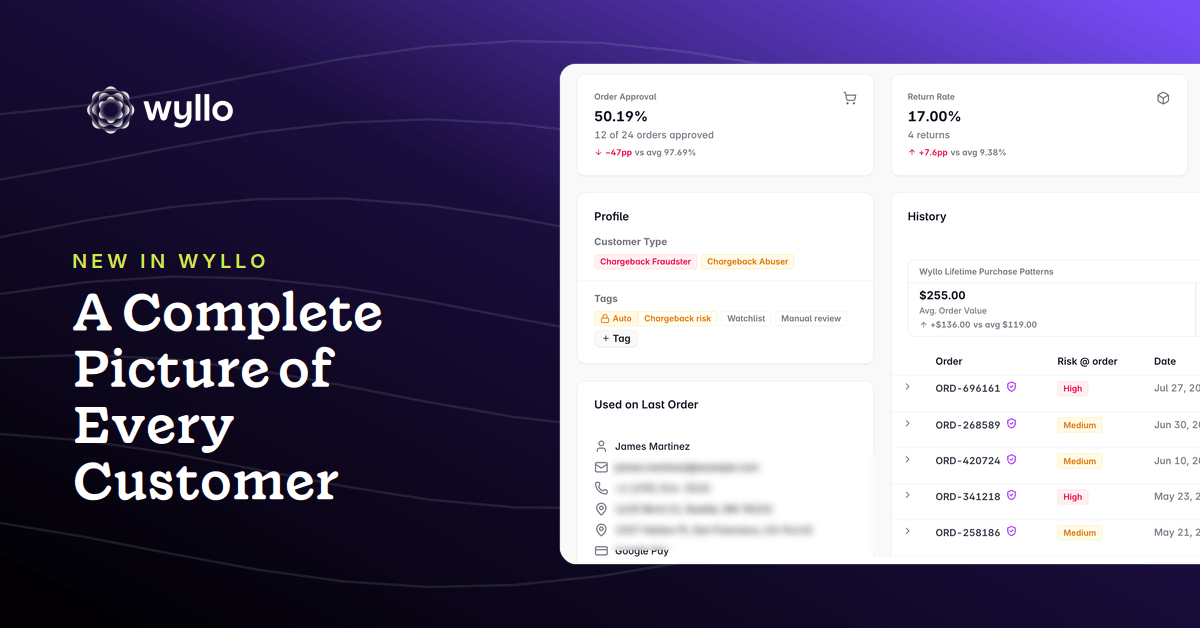
- Put the history inside the ticket. An agent who can see that this identity has three claims across two accounts this quarter makes a different call than one reading a sympathetic story cold. That is the argument for connecting your risk stack to your CX stack at the workflow level.
- Price treatment on the relationship. Established customers earn the fast, generous resolution their history justifies; unknown identities earn ordinary verification. Risk-based policies let generosity and scrutiny coexist instead of trading one for the other.
- Write the never rules. Refunds go to the original payment method. Urgency does not waive identity checks. Exceptions escalate rather than improvise. Social engineering works by finding the agent willing to bend; the rules exist so bending is not on the menu.
- Close the channel seam. Appeasements, reships, and disputes belong in one record per customer, which is what a single customer view that includes risk provides, so the double dip stops paying twice.
Measure the Season in January
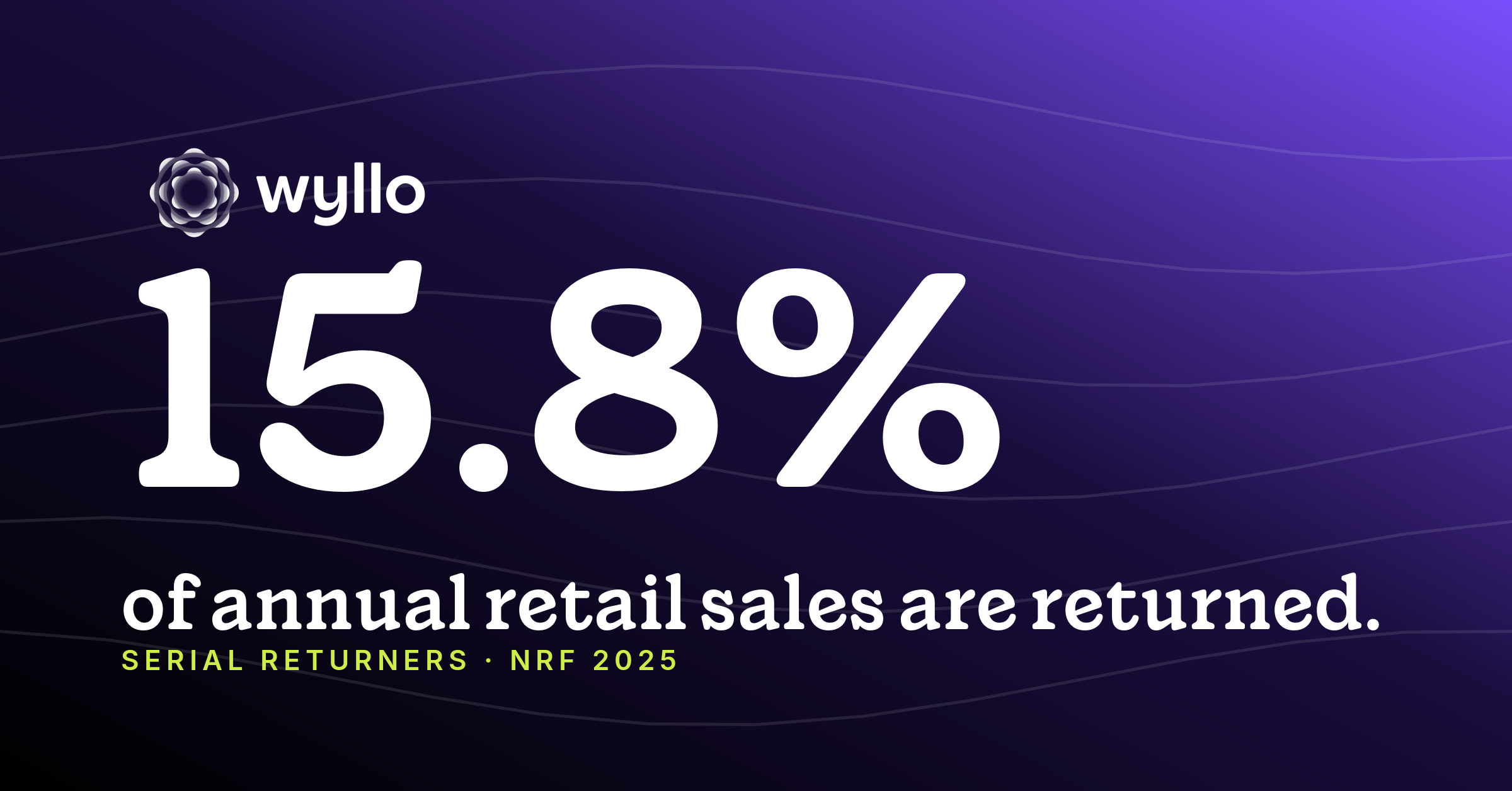
Holiday refund fraud hides inside generosity, so the January numbers are where it surfaces. NRF notes the vast majority of returns occur in January, and the same is true of the reckoning: appeasement cost per customer, refund-to-different-card requests, dispute rates on resolved claims, and repeat claim behavior across the quarter. Grade the season’s policies with before and after numbers and the scripts that worked on your queue become next year’s training material.
How Wyllo Helps
Refund social engineering targets the seam between support and risk, and closing that seam is the founding idea of Wyllo, the risk intelligence platform for commerce. Reading customer intent across the journey is what turns a sympathetic story into a decision the agent can trust.
- Wyllo CX Support puts risk scores, claim history, and next-best actions inside the tools agents already use, so the sympathetic story meets the whole record at decision time.
- Wyllo Claim and Policy Abuse Prevention scores refund and claim behavior across the relationship and links repeat actors who rotate identities between seasons.
- Wyllo Return Fraud and Abuse Prevention applies risk-based resolutions so real gift recipients keep the easy experience and manufactured claims earn friction.
Judgment over rules. An agent with the full picture does not need to choose between kindness and caution.
Frequently Asked Questions
What is holiday refund fraud?
Holiday refund fraud is the seasonal use of gifting stories to social engineer refunds, reshipments, and appeasement credits out of customer support. The gift framing excuses missing order details, adds sympathy and urgency, and arrives during peak queue volume, all of which push agents to resolve claims without normal verification.
Why do fraud rings target customer support instead of checkout?
Checkout defenses have hardened, and support is staffed by people rewarded for resolving tickets quickly. A refund obtained through a support conversation never faces transaction screening, and during the holidays the queue pressure and sympathy factor both peak, making agents the softest surface in the stack.
How should agents handle a gift refund request with no order number?
Anchor the claim to a verifiable order before resolving it, using details a real recipient can supply, like the delivery address or the item itself. Keep refunds on the original payment method, treat urgency as a reason to escalate rather than skip steps, and let the customer’s history set the speed of the resolution.
Does refund social engineering show up in chargeback numbers?
Mostly no, which is the trap. A claim resolved with an appeasement or reship never becomes a dispute, so the loss hides in support budgets and shrink rather than the chargeback ratio. Instrumenting appeasements and claim behavior at the customer level is the only way to see the true seasonal cost.
Bringing It Together
The holiday quarter concentrates everything that makes support-side fraud work: more orders, more gifts, more strangers with plausible stories, and less time to check any of them. The teams that get through it well do not train agents to distrust customers. They remove the conditions the script depends on, orders that cannot be anchored, histories nobody can see, channels that never compare notes, and exceptions that live in an agent’s goodwill.
Real gift recipients get faster help under that design, because the record vouches for them and no one has to interrogate their story. The script, meanwhile, stops finding the agent willing to bend. Lead with intelligence. Grow with confidence.
See what your agents could see with Wyllo CX Support, or explore the Wyllo platform for connected intelligence across the whole journey.