What to do about delivered not received claims when the carrier says delivered, the customer says otherwise, and the refund decision is yours
The hardest ticket in post-purchase support is the one where everyone might be telling the truth. The carrier scan says delivered. The customer says nothing arrived. Somewhere between those two statements is a porch pirate, a package left at the wrong door, or a refund claim that was planned before the order was placed.
A delivered not received claim (often shortened to DNR, and a close cousin of the item not received claim) is a customer report that an order marked delivered by the carrier never reached them. Unlike a package lost in transit, the evidence is split down the middle: the carrier’s record and the customer’s account directly contradict each other, and the merchant is asked to referee the disagreement with money.
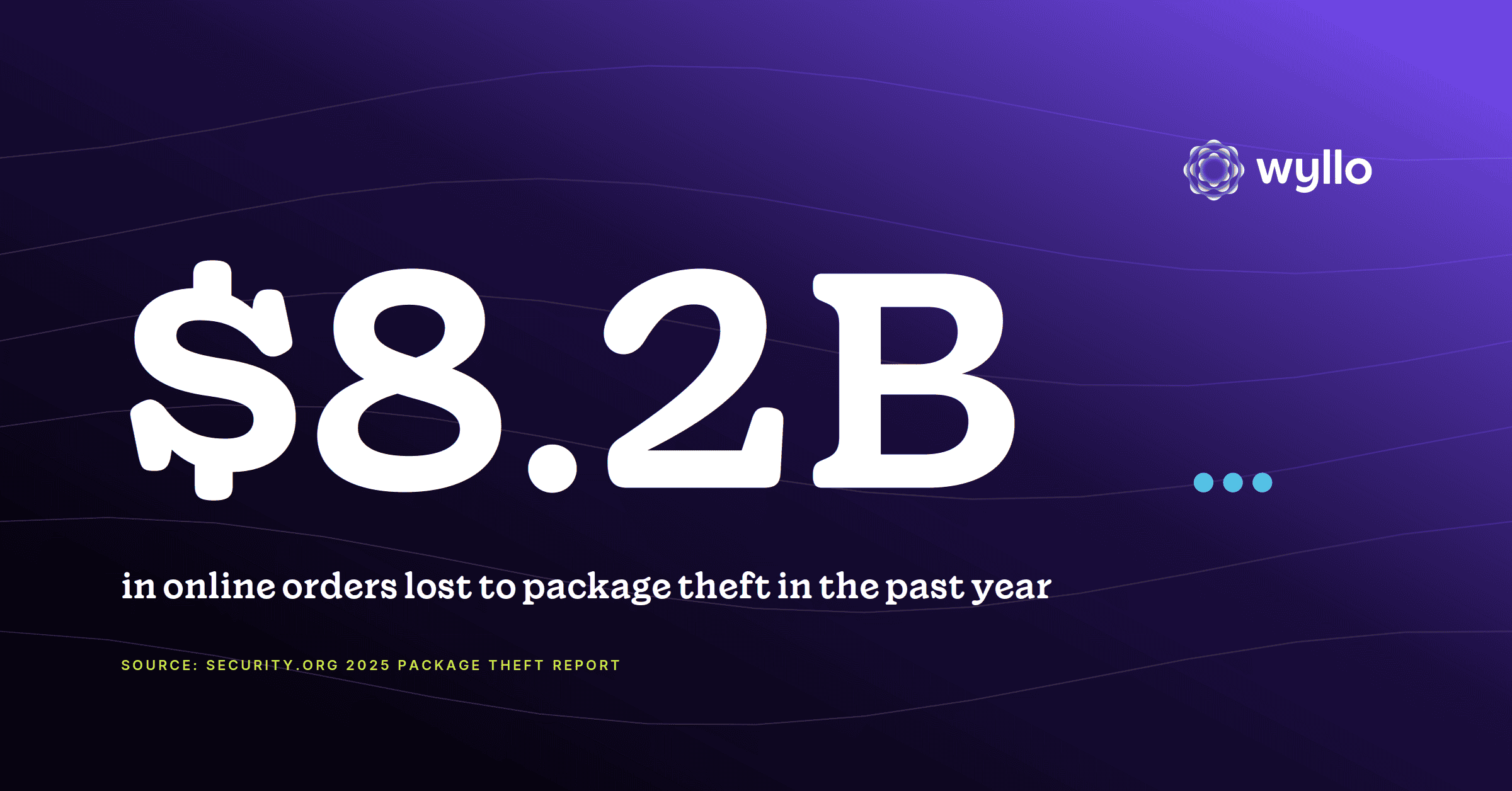
Both sides of the contradiction are real at scale. Security.org’s 2025 package theft research estimates 37 million packages were stolen in the past year, worth $8.2 billion, at an average value of $222, and finds one in four Americans has had a package stolen at some point. At the same time, Mastercard research puts first-party fraud above 45% of all chargebacks, and the Merchant Risk Council’s global fraud research ranks refund and policy abuse as the top fraud threat in ecommerce. Treat every claim as theft and you fund an abuse economy. Treat every claim as fraud and you punish customers who just got robbed on their own doorstep.
Why the Carrier Scan Settles Less Than It Seems
A delivered scan feels like proof, and it is weaker than it looks. Three different realities produce the same clean tracking record.
- Porch piracy. The package arrived exactly where it should have and left minutes later in someone else’s hands. The customer’s claim is true, the scan is true, and the loss is real. Apartment residents experience theft at several times the rate of single-family homeowners, so the same policy lands very differently across your customer base.
- Delivery error. Drivers sometimes scan a package as delivered before or after the actual drop, and a box left at the wrong unit or the wrong porch produces the same confirmed status as one left at the right one. The customer is not lying and neither is the carrier’s system; they are describing different doorsteps.
- The manufactured claim. The order arrived, the customer has it, and the delivered not received report is the business model. Filed politely through support or escalated straight to the bank, it looks identical to the other two cases on the surface.
The claim text is the same in all three stories, which is why a policy keyed to the claim alone cannot work. The signal that separates them is not in the ticket. It is in the relationship.
The Relationship Resolves What the Claim Cannot
One delivered not received claim is ambiguous by nature. A history is not. Intent rarely shows itself in a single event; it shows up in what a customer does across many. A first claim in four years of clean orders reads one way. A third claim this quarter, across two shipping addresses and a new account email, reads another, and the pattern is what a customer risk profile exists to make visible. The behavioral signals that separate authentic delivery failures from serial claims, from claim frequency to cross-account indicators, are covered in depth in how to spot item not received fraud.
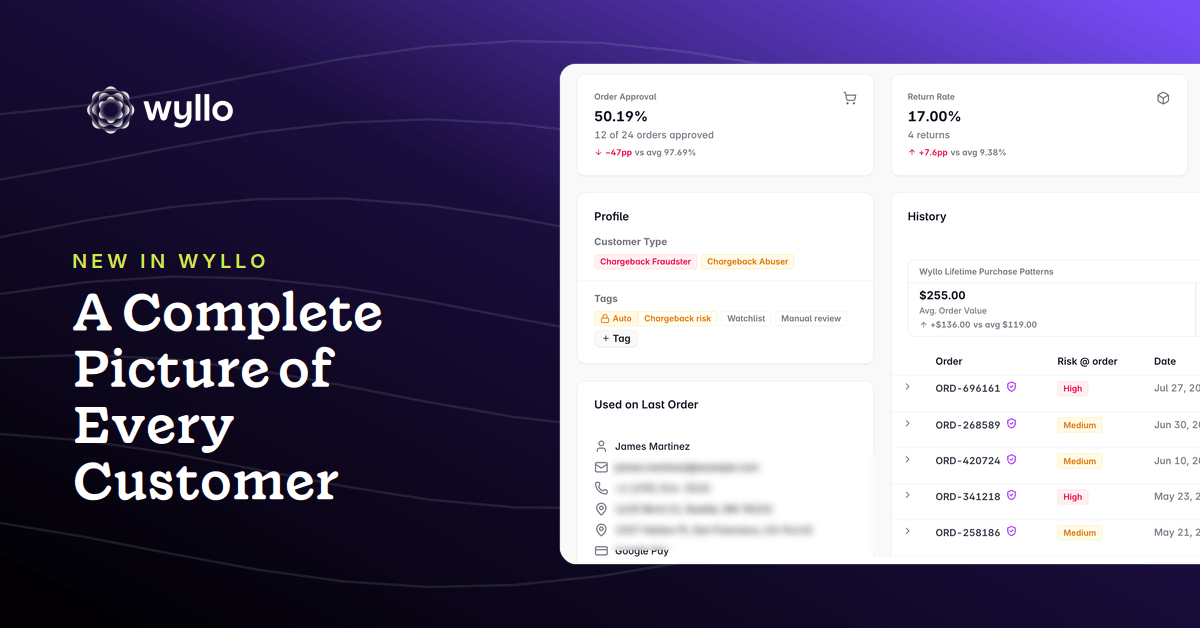
The practical requirement is that the history has to be in front of whoever decides. A claim record that lives in the returns platform while the agent decides in the helpdesk is a record nobody used.
A Triage Ladder That Respects Both Truths
Merchants who handle delivered not received claims well tend to run the same sequence.
- Pull the carrier evidence first. Photo on delivery, the GPS stamp on the scan, the delivery time. A photo of the right porch changes the conversation; a scan geolocated two streets away closes it in the customer’s favor.
- Check the address story. A claim against an address the customer has used for years is a different object than a claim on a first order shipped to a freshly changed address.
- Price the resolution on the history. A clean, established customer gets the fast reship or refund, because that response is what their record has earned. A thin or troubled history earns verification: a signed statement, a carrier claim, a police report for high value orders. A documented serial pattern gets a decline supported by evidence. This is risk-based policy applied to a single painful moment.
- Keep every channel on the same page. The expensive version of this claim is resolved twice, once as a support appeasement and once as a bank dispute, because the two channels never compared notes. A single customer view that includes risk is what closes that seam.
Build Your Delivered not Received Claims Policy Before the Holiday Peak
Delivered not received claims are seasonal in the worst way. Security.org finds the average adult expects around 25 package deliveries between October and December, roughly 70% of holiday shopping happens online, and 31 million Americans have had holiday gifts stolen. Claim volume, theft volume, and abuse volume all peak together, precisely when support queues are longest.
Write the tiers now: what evidence gets pulled on every claim, which histories earn instant resolution, what verification the exceptions require, and what agents are empowered to decide without escalation. Then treat the policy like a decision and grade it with before and after numbers once the season closes: claim rate, appeasement cost, repeat claim behavior, and the dispute rate on declined claims.
How Wyllo Helps with Delivered not Received Claims
Delivered not received claims sit exactly where carrier data, support conversations, and risk history need to meet, and that intersection is what Wyllo, the risk intelligence platform for commerce, is built to read.
- Wyllo Return Fraud and Abuse Prevention scores item not received and empty box claims at the customer level, so honest victims get fast resolutions and serial claims get friction.
- Wyllo Claim and Policy Abuse Prevention links repeat claimants across rotating emails and addresses, surfacing the pattern a single ticket hides.
- Wyllo CX Support puts the claim history and risk context inside the agent’s ticket, so the triage ladder runs at the moment of decision instead of after it.
Because good customers deserve better. The person whose gift was stolen should not have to pay for the person whose gift was not.
Frequently Asked Questions
What is a delivered not received claim?
A delivered not received claim is a customer report that an order marked delivered by the carrier never arrived. It differs from a lost in transit claim because the carrier record and the customer account directly conflict, leaving the merchant to decide between refunding real theft and funding a false claim.
Should merchants always refund when tracking shows delivered?
No single answer fits every claim. A delivered scan is compatible with real porch piracy, a delivery to the wrong door, and a manufactured claim. Strong programs pull carrier evidence, weigh the customer’s claim history, and match the resolution to the relationship rather than applying one blanket rule.
How can you tell porch piracy from refund abuse?
Rarely from one claim, reliably from the pattern. Real theft distributes across customers and clusters by geography and season. Abuse concentrates in specific customers and identities: repeat claims, rotating addresses and emails, claims that only follow high value orders. Customer-level scoring makes the difference visible.
What evidence helps with delivered not received chargebacks?
Delivery photos, GPS-stamped scans, signature confirmations, the customer’s order and claim history, and records of the support conversation. Captured at order and delivery time, that evidence supports representment and deters repeat filings; reconstructed weeks later, it usually arrives too thin.
Bringing It Together
Delivered not received claims force a choice most policies were never designed to make: the carrier’s word against the customer’s, with money on the line and sympathy pulling in both directions. Blanket generosity trains the abuse economy that is already testing your support queue. Blanket suspicion churns the customers who were victims of a real and growing category of theft.
The way out is the same discipline that works across post-purchase risk: verify the event with the best evidence available, price the resolution on the relationship instead of the single claim, and keep every channel working from one record. The claim stays ambiguous. The customer rarely is.
Start with Wyllo Return Fraud and Abuse Prevention to see claim behavior at the customer level, or explore the Wyllo platform for the connected view the triage depends on.