How to cut returns fraud and refund abuse while keeping returns easy for the honest majority, by responding to risk instead of clamping down on everyone
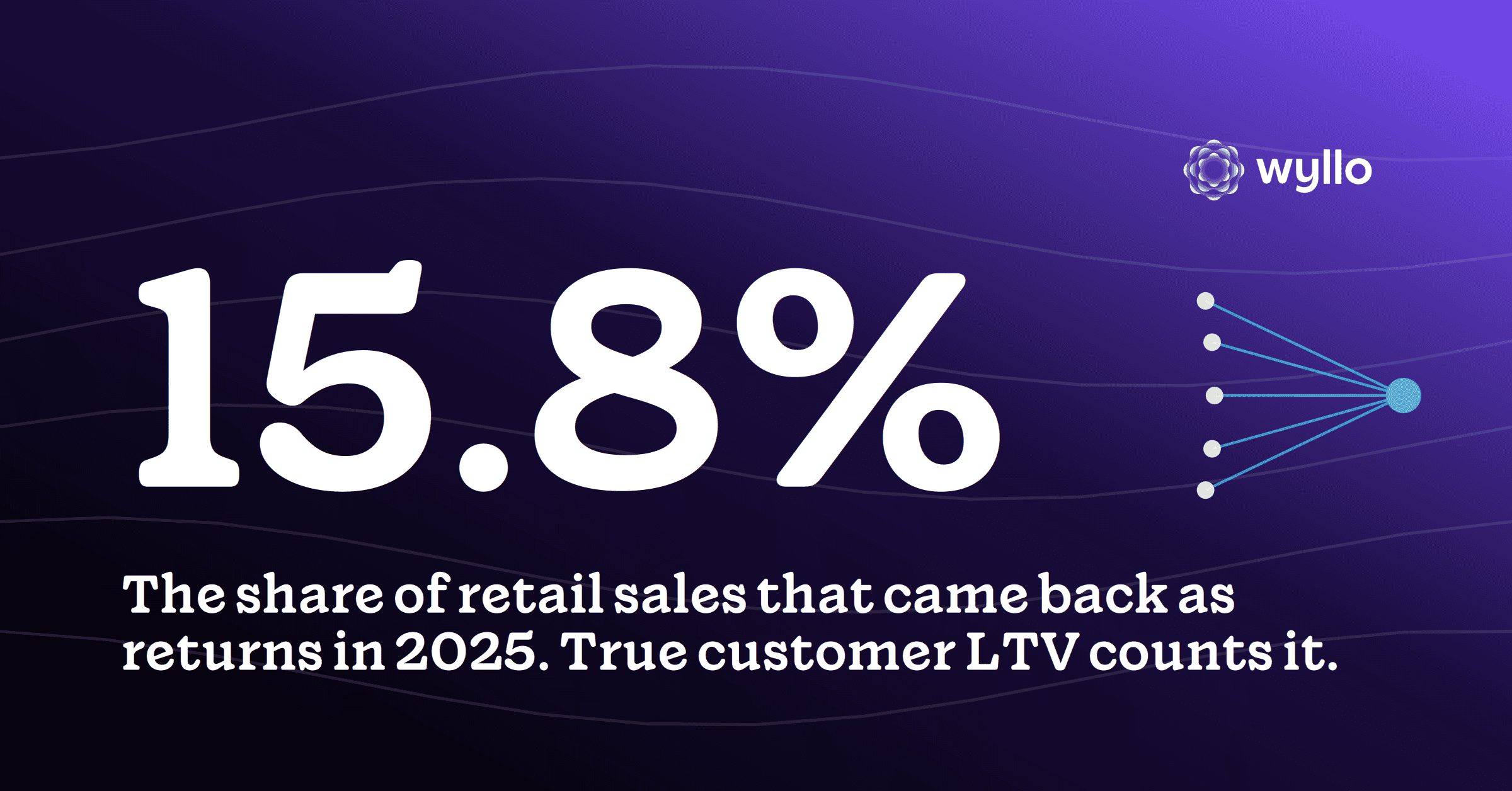
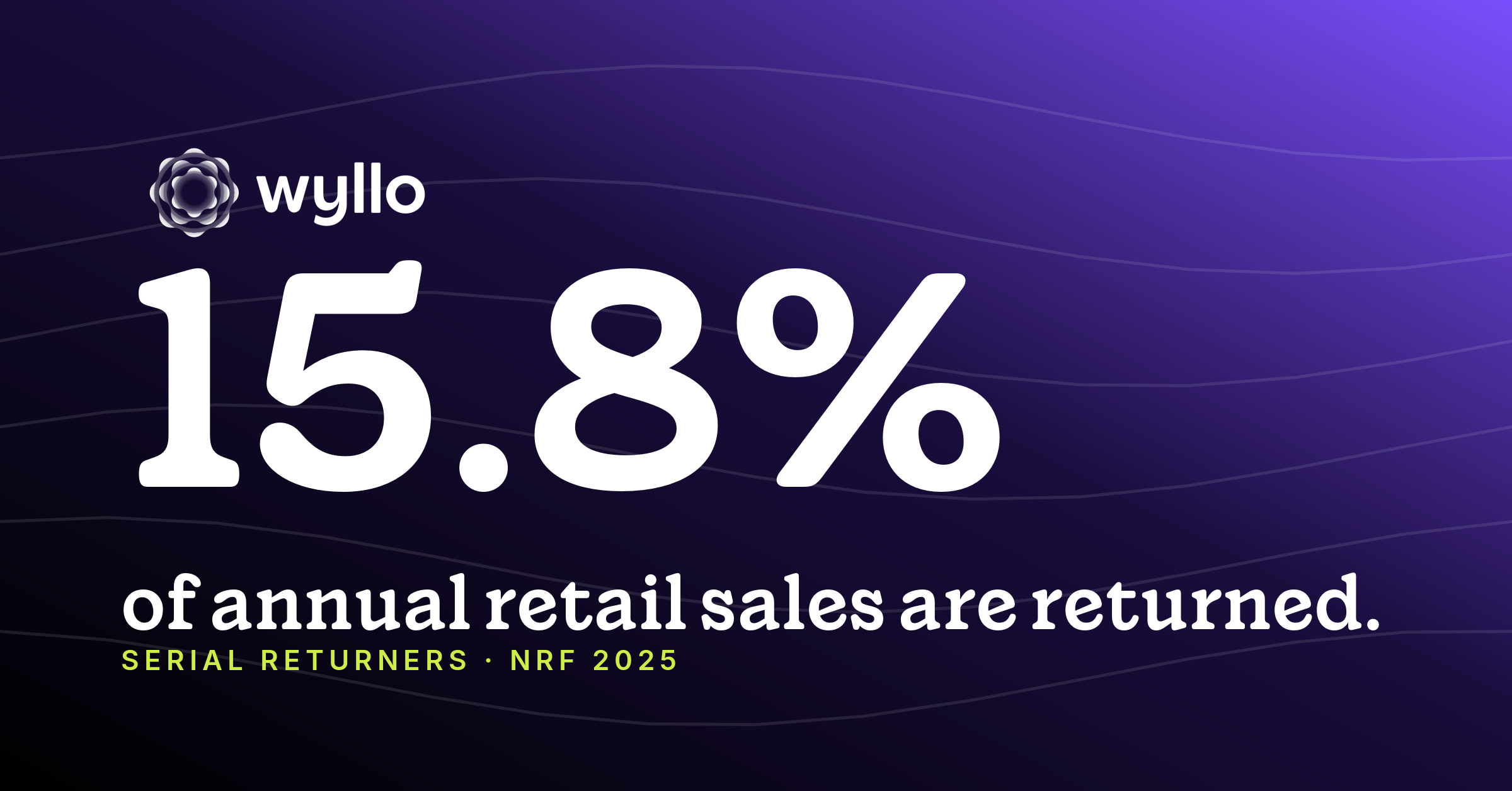
Returns fraud is expensive precisely because the fix most merchants reach for, tightening the return policy for everyone, costs more than the fraud does. With returns reaching into the hundreds of billions of dollars a year, per the National Retail Federation’s research on consumer returns, even a small abuse rate adds up fast. Easy returns drive conversion and loyalty; strip them to deter a dishonest minority and you punish the honest majority who make the model work. The better approach is to read risk and respond in proportion, so abuse gets friction and good customers keep the easy experience.
This is a prevention playbook, not a primer. For the definition and the full taxonomy of returns-fraud types, see Wyllo’s glossary entry on return fraud. Here we focus on what to do about it.
Returns Fraud in One Sentence
Returns fraud is the abuse of a merchant’s return and refund process to obtain money, goods, or value dishonestly, from wardrobing and empty-box returns to serial refund abuse. It hides inside legitimate return traffic, which is exactly why blanket policy changes miss it and risk-based prevention catches it.
The Returns Fraud Prevention Playbook
Score Returns the Way You Score Orders
A return is a transaction. Apply risk scoring to it using identity, order history, delivery outcomes, and return behavior, rather than running one policy for everyone. That lets low-risk returns stay instant while high-risk ones get a closer look.
Right-Size Policy to the Shopper
Reserve the most generous terms, instant refunds, no-questions returns, for trusted customers who have earned them. Apply proportionate friction, like inspection on receipt or a slower refund, only where signals warrant. The policy is yours; risk scoring just makes it conditional instead of one-size-fits-all.
Verify High-Risk Returns at Intake
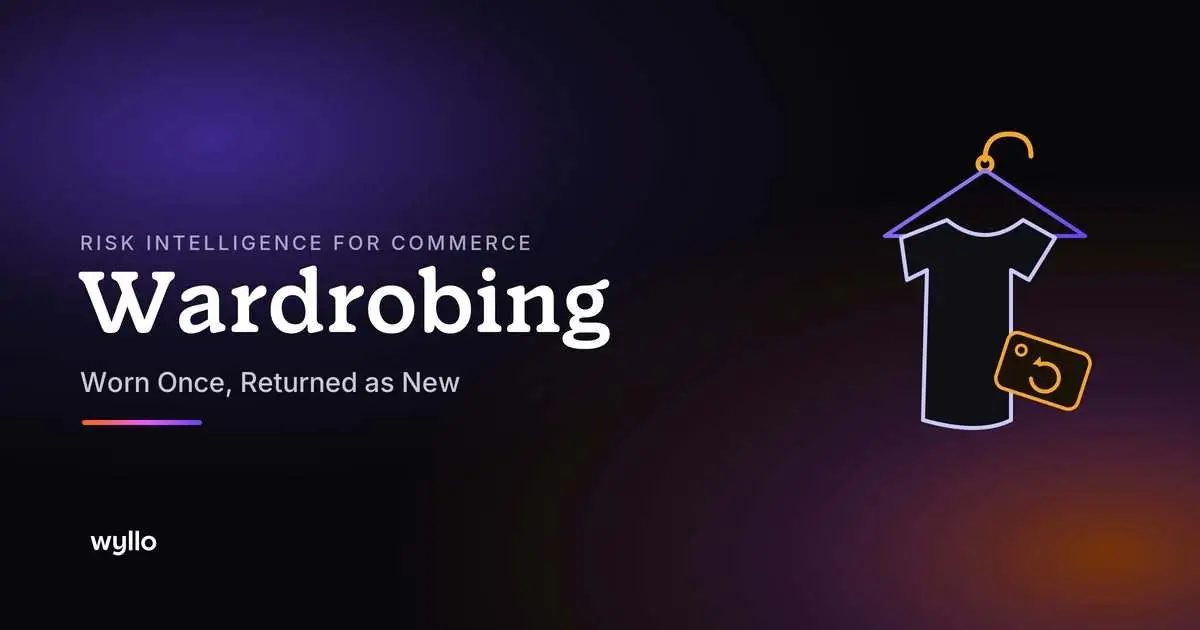
For flagged returns, confirm contents and condition before releasing the refund instead of paying on a delivery scan. Weight and packaging checks catch empty-box and switch returns; one-time-use indicators and tags catch wardrobing.
Connect Repeat Behavior Across Accounts
Most returns abuse is a pattern, not a one-off: an outlier return rate, repeat damage claims, or linked accounts evading return limits. Connecting activity across orders and accounts surfaces the serial abuser and the ring, even when each return looks fine alone.
Close the Refund-on-Scan Gap
Don’t treat a carrier scan as proof of a valid return. That single assumption is what fake-tracking and empty-box schemes exploit, so confirm receipt for higher-risk returns before the money goes out.
Don’t Punish the 95% for the 5%
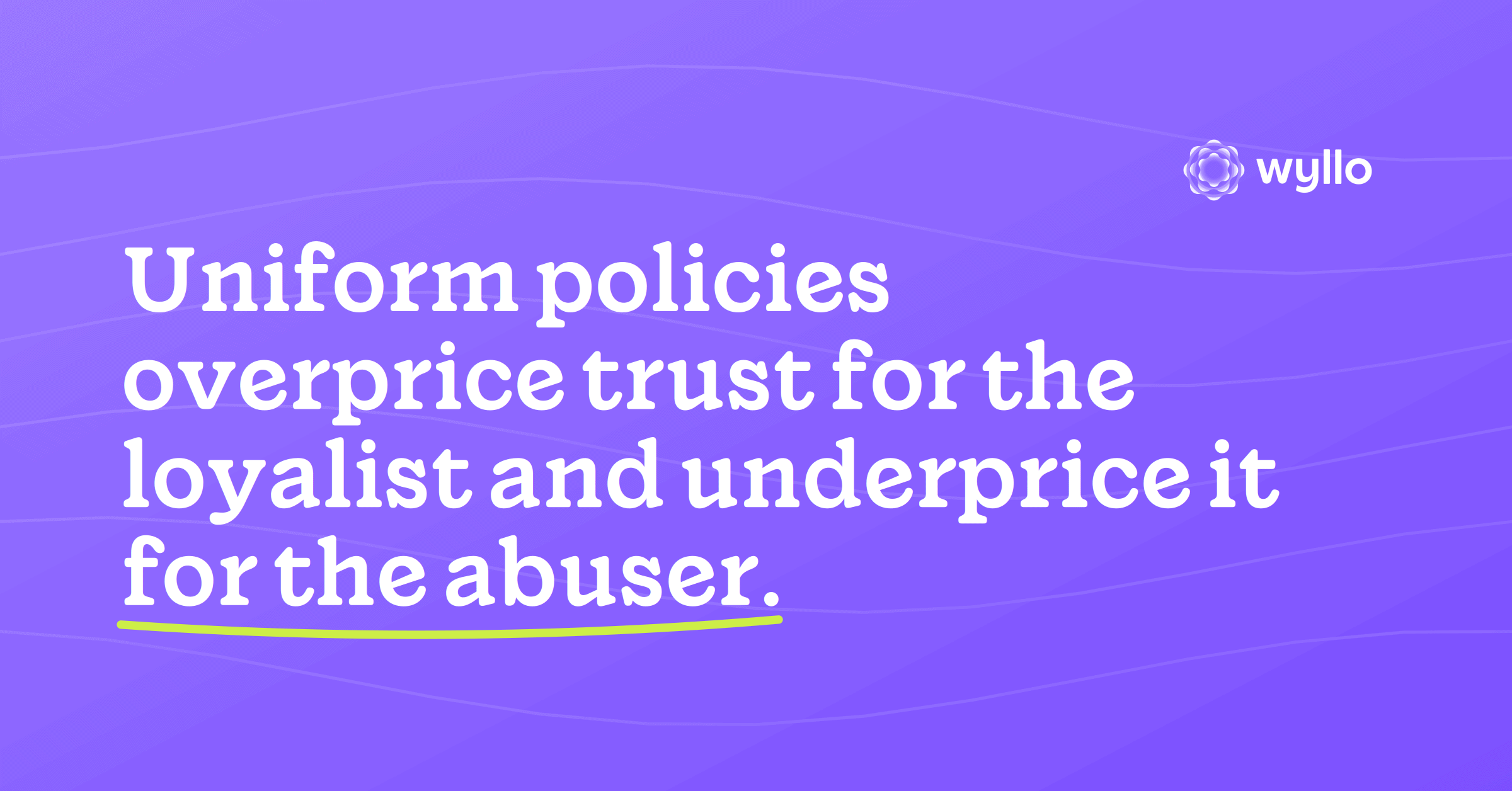
The instinct to tighten policy for everyone is the costliest move available. Honest returns are most of your volume, and the friction you add to deter abusers lands hardest on them. Reading intent is what lets you separate the genuine change-of-mind from the worked policy, so prevention protects margin without denting loyalty.
How Wyllo Helps
Wyllo is the risk intelligence platform for commerce. Returns fraud is a textbook case for reading intent rather than judging each return alone: the same actor surfaces across orders and accounts in light disguise, and only connected signals expose it. Risk flags the return; intent tells you whether to trust it.
- Wyllo Return Fraud and Abuse Prevention scores returns against identity, order history, delivery outcomes, return patterns, and image manipulation, so you can right-size return policy to risk.
- Wyllo Claim and Policy Abuse Prevention catches the damage-claim and item-not-received variants upstream, before they become refunds.
- Wyllo Chargeback Management recovers revenue when refund abuse turns into a dispute.
Precision over paranoia.
Frequently Asked Questions
How do you prevent returns fraud without hurting good customers?
Score returns with risk signals the way you score orders, right-size policy so trusted customers keep easy returns while higher-risk ones get verification, confirm contents on flagged returns instead of refunding on a scan, and connect activity across accounts to catch serial abuse. The goal is proportionate friction, not blanket policy cuts.
Can returns fraud be detected automatically?
Yes. Risk scoring that combines identity, order and return history, delivery outcomes, and cross-account connections can flag the returns most likely to be fraudulent and route them for verification, while low-risk returns keep getting fast refunds.
Should I add a return fee to stop returns fraud?
A blanket fee punishes honest customers to deter a few abusers and can hurt conversion and loyalty. It’s usually better to target the abusive minority with risk-based controls and reserve fees or friction for high-risk behavior rather than applying them to everyone.
What’s the most common type of returns fraud?
It varies by category, but wardrobing (using an item then returning it as new), bracketing taken to an abusive extreme, empty-box and switch returns, and serial refund abuse are among the most common. Connecting return behavior across orders is what reveals which is happening.
Bringing It Together
Returns fraud is the cost of a good thing: the generous policies that win customers also create the surface that gets abused. The answer isn’t to make returns harder for everyone, it’s to tell the honest return from the dishonest one, which only becomes clear when you read intent across the journey rather than judging each return in isolation.
Curious how reading intent on every return would change your refund loss? Start with Wyllo Return Fraud and Abuse Prevention, or explore the Wyllo platform for connected intelligence across the full customer journey.