What a chargeback actually costs beyond the fee on the invoice, why the true cost multiplies well past the sale, and the levers that bring it down.
A chargeback fee is the per-dispute charge your acquirer or processor levies every time a cardholder disputes a transaction, and you pay it whether you win the case or lose it. It is the most visible cost of a dispute, but it is also the smallest. By the time a chargeback is resolved, the fee is usually a fraction of what the dispute actually cost you once lost goods, lost revenue, staff time, and downstream penalties are counted.
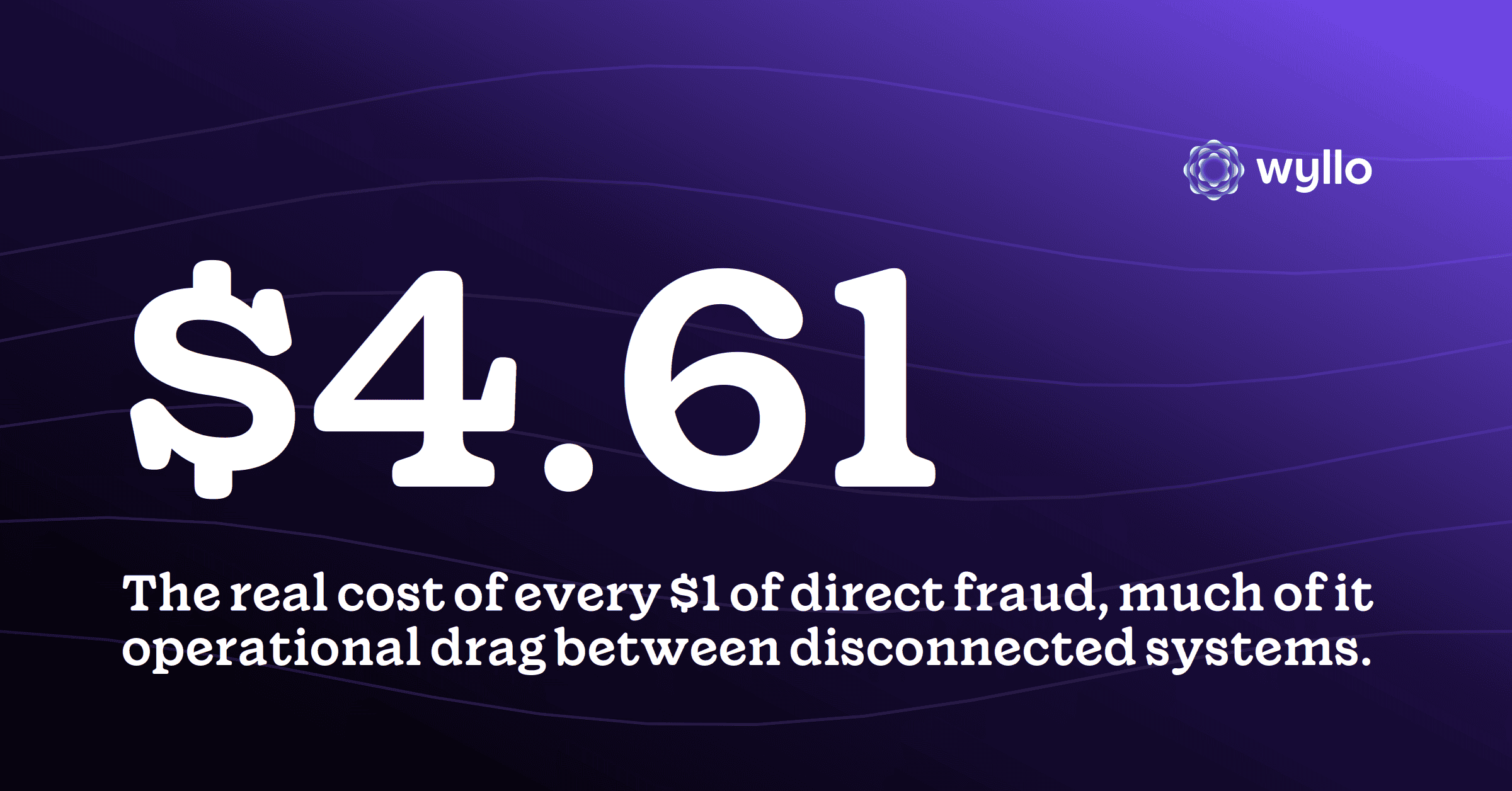
Understanding the full cost is what makes the business case for prevention obvious. Mastercard’s analysis of the true cost of a dispute puts the real damage at up to 3.4 times the original transaction value, and with Mastercard projecting worldwide chargeback volume reaching 337 million by 2026, those multiplied costs compound fast. This guide breaks down what makes up a chargeback fee, the full stack of costs behind it, what the fee typically runs, and the levers that cut it. It sits alongside our chargeback prevention playbook and our guide to fighting chargebacks through representment.
What Is a Chargeback Fee?
A chargeback fee is a fixed charge your acquiring bank or payment processor applies for each dispute, meant to cover the administrative cost of processing it through the card network. It is assessed when the chargeback is filed, is charged on top of the reversed transaction amount, and is not refunded even if you win the dispute through representment. Some processors return the fee on a won case, but many do not, so treat it as a sunk cost the moment a dispute is filed.
The fee is set by your acquirer or processor, not the card network directly, so the exact amount varies by provider, region, and your merchant risk profile. A merchant flagged as high risk or sitting in a network monitoring program will pay more per dispute than a low-risk merchant on the same platform.
The Full Cost Behind the Fee
The fee is the line item you see. The real cost of a chargeback is the stack behind it:
| Cost component | What it is |
|---|---|
| Chargeback fee | The per-dispute charge from your acquirer or processor, paid win or lose |
| Lost transaction amount | The reversed sale, refunded to the cardholder if you lose |
| Lost merchandise | The physical goods, usually unrecoverable when fraud is involved |
| Shipping and fulfillment | The cost to pick, pack, and ship an order you will not be paid for |
| Staff time | Hours spent reviewing, gathering evidence, and submitting representment |
| Acquired risk penalties | Higher processing rates, rolling reserves, or fines if your ratio climbs |
| Monitoring program fees | Enumerated per-dispute enforcement fees once you cross a threshold like Visa’s VAMP |
This is why the true cost runs to a multiple of the sale. A disputed $60 order does not cost you $60 plus a fee; it costs you the $60, the product, the shipping, the labor, and, if it pushes your ratio, a higher cost on every future transaction.
What Does a Chargeback Fee Typically Cost?
Because acquirers and processors set the fee, there is no single published number, and quoting a precise figure as universal would be misleading. In practice, per-dispute fees commonly fall in a range from roughly $15 to $100, depending on the processor, your industry and risk profile, and whether you are in a monitoring program. High-risk merchants and those above network thresholds sit at the upper end or beyond, because monitoring programs add their own per-transaction enforcement fees on top.
The practical takeaway is not the exact dollar amount but the direction: fees rise as your dispute ratio rises. Confirm your specific fee schedule with your acquirer, and treat any increase as a signal to invest in prevention before the penalties escalate.
How to Cut Your Chargeback Fees
You cannot negotiate the fee away, but you can drive down how many you pay and keep your risk profile low enough to avoid the penalty tiers:
- Prevent the disputes worth preventing. Every chargeback you stop before it is filed is a fee you never pay. Accurate screening, clear billing descriptors, and fast refunds remove the disputes that never needed to happen. The four-layer approach in our chargeback prevention guide is built for exactly this.
- Use pre-dispute alerts. Resolving a complaint through a network alert before it becomes a formal chargeback avoids the chargeback fee entirely, though the alert carries its own smaller cost, so set a rule for which cases to auto-resolve.
- Fight only winnable cases. Representment cannot recover the fee, but winning recovers the transaction and deters repeat abuse. Fighting unwinnable cases just adds staff time to a loss. Read the reason code and respond inside the deadline only where the evidence supports you.
- Protect your ratio. The most expensive fees are the penalty tiers you enter when your dispute ratio climbs. Keeping the ratio low through prevention is what keeps per-transaction costs from rising across your whole business.
- Fix the self-inflicted disputes. Unrecognizable descriptors, slow refunds, and unclear subscription terms generate fees for disputes you caused. These are the cheapest of all to eliminate.
How Wyllo Helps
The cheapest chargeback is the one that never happens, and the second cheapest is the one you resolve before it becomes a formal dispute. Wyllo is the risk intelligence platform for commerce, built to reduce both the number of disputes and the cost of the ones that remain.
- Wyllo Payment Fraud Protection stops the fraud that becomes tomorrow’s disputes, cutting fees at the source while protecting approval rates.
- Wyllo Chargeback Management handles dispute response and representment end to end, with chargeback protection for eligible orders so residual loss is predictable.
- Wyllo Claim and Policy Abuse Prevention catches first-party abuse in the post-purchase window, before it becomes a dispute with a fee attached.
Less reaction. More reason.
Frequently Asked Questions
What is a chargeback fee?
A chargeback fee is a fixed per-dispute charge your acquirer or payment processor applies when a cardholder disputes a transaction. It covers the administrative cost of processing the dispute, is charged on top of the reversed sale, and is usually not refunded even if you win the case.
How much is a chargeback fee?
It varies by acquirer, processor, region, and your risk profile, so there is no universal figure, but per-dispute fees commonly range from roughly $15 to $100. High-risk merchants and those in a network monitoring program pay more, because monitoring programs add per-transaction enforcement fees. Confirm your specific fee with your acquirer.
Do I get the chargeback fee back if I win the dispute?
Usually not. Winning a representment recovers the disputed transaction amount, but most processors keep the chargeback fee regardless of outcome. Some return it on a won case, so check your provider’s terms, but plan around the fee being a sunk cost once a dispute is filed.
Why does a chargeback cost more than the transaction amount?
Because the fee and the reversed sale are only part of it. You also lose the merchandise, the shipping and fulfillment cost, and staff time, and a rising dispute ratio can trigger higher processing rates, reserves, and monitoring-program fees. Mastercard’s research puts the true cost at up to 3.4 times the original transaction value.
How can I reduce my chargeback fees?
Reduce the number of disputes rather than trying to negotiate the fee. Prevent disputes with accurate screening and clear policies, resolve complaints through pre-dispute alerts before they become chargebacks, fight only winnable cases, fix self-inflicted disputes like unclear billing descriptors, and keep your dispute ratio low to avoid the penalty tiers where per-dispute costs climb.
Bringing It Together
The chargeback fee on your statement is the smallest, most visible piece of a much larger number. The real cost of a dispute is the sale, the goods, the shipping, the labor, and, once your ratio climbs, a higher cost on every transaction you run. Seen that way, the fee is not the problem to solve; the volume of disputes is, and the penalty tiers are.
The merchants who spend the least on chargebacks are the ones who prevent the disputes worth preventing, resolve the rest early, and fight only what they can win, all of which keeps their ratio and their fees low together. Start with Wyllo Chargeback Management to manage disputes and cost together, or explore the broader Wyllo platform for connected intelligence across the full customer journey.