A field guide to the fraud and abuse that lands after the sale closes (the returns desk, the refund queue, the claims form, the dispute line) and how to reduce it without punishing the customers you want to keep
For years, fraud teams trained their attention on a single moment: checkout. Was the card stolen? Would this order become a chargeback? That focus made sense when payment fraud was the dominant threat. It is not the only threat anymore. A growing share of loss now arrives after the order is approved, paid, and shipped, when a “customer” returns an empty box, claims a delivered package never came, disputes a charge they recognize, or works a lenient policy for value they were never owed.
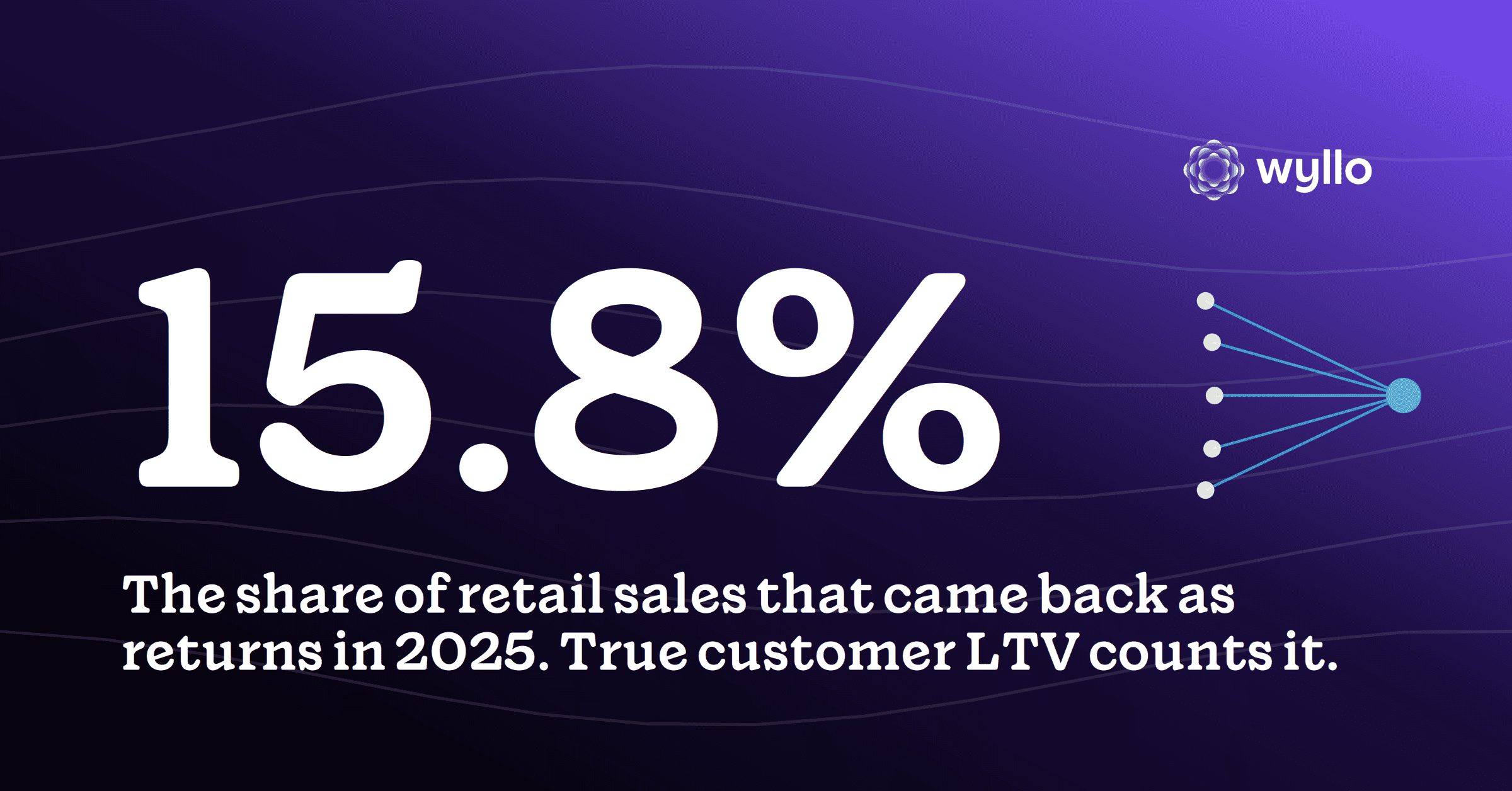
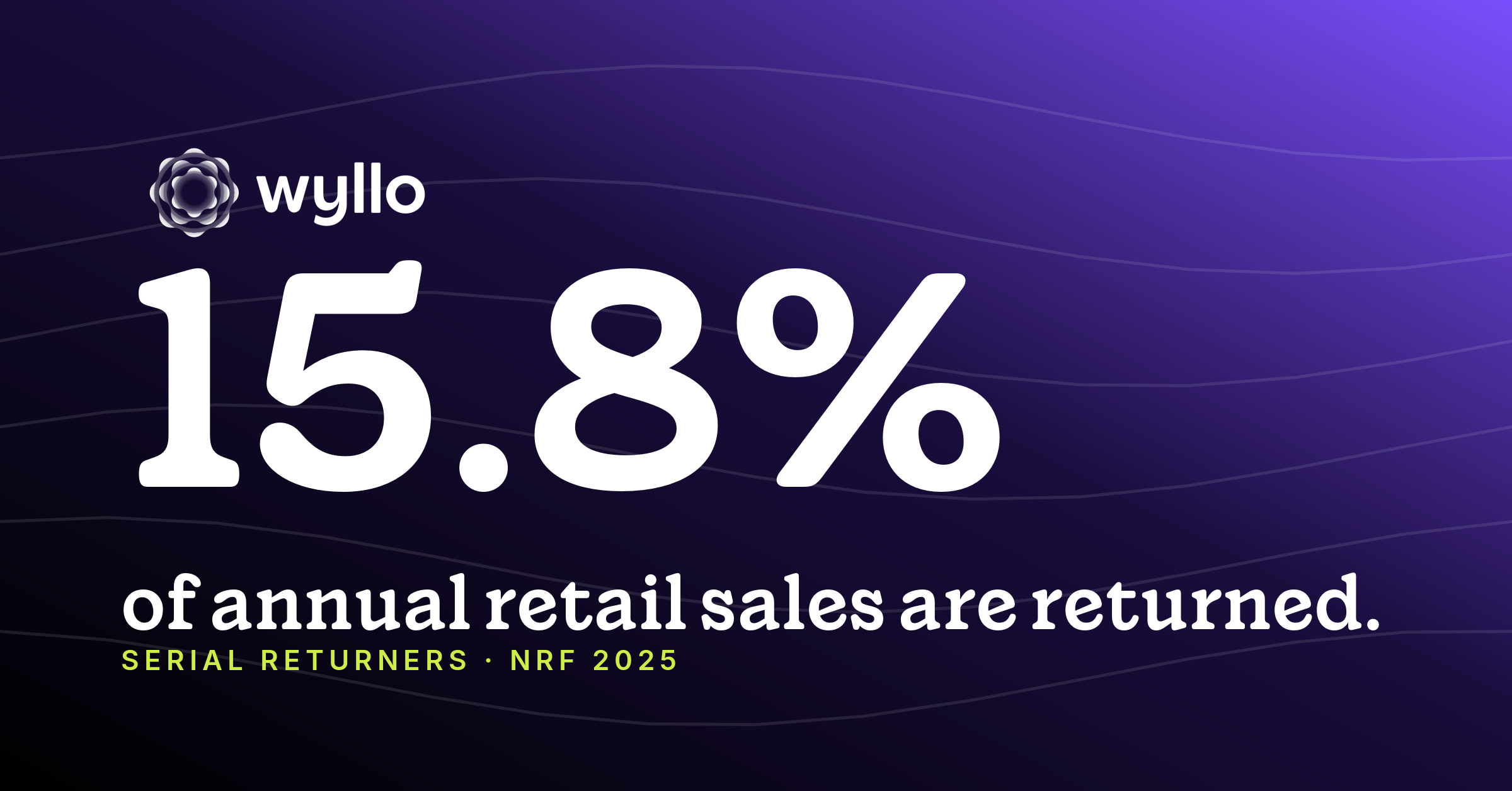
This is post-purchase fraud, and it has become one of the most expensive blind spots in ecommerce. Returns alone reached roughly $890 billion in 2024, according to the National Retail Federation and Happy Returns, with returns equal to 16.9% of total retail sales, and 93% of retailers told the NRF that returns fraud and other exploitive behavior is a significant problem. The transaction looked clean. The loss showed up later.
This guide defines post-purchase fraud, breaks down the main types, explains why it is rising, and lays out how to reduce it with judgment rather than blanket friction.
What Is Post-Purchase Fraud?
Post-purchase fraud is any fraud or abuse that occurs after a transaction is approved, targeting the stages that come after the sale: returns, refunds, warranty and item-not-received claims, promotional and policy terms, and payment disputes. Where payment fraud asks “is this a legitimate transaction,” post-purchase fraud exploits the fact that the transaction already went through and the merchant has goods, money, or goodwill still in motion.
The defining trait is timing. The order passed checkout cleanly, often because it was a real customer with a real card, then value was extracted later through the return, the claim, or the chargeback. That is why screening tuned only for checkout misses it: by the time the abuse happens, the order is already booked as a win.
Why Post-Purchase Fraud Is Rising
Three forces converged. First, generous post-sale policies became a competitive standard: free returns, long return windows, instant refunds, no-questions-asked replacements. Those policies win customers, and they also define the surface that gets abused. Second, the volume is simply enormous: with returns running at roughly a sixth of all sales, even a small abuse rate represents serious money. Third, the tactics professionalized. What was once an occasional opportunistic return is now, in places, organized: coordinated rings, resold claim scripts, and even manipulated photos submitted to automated refund workflows.
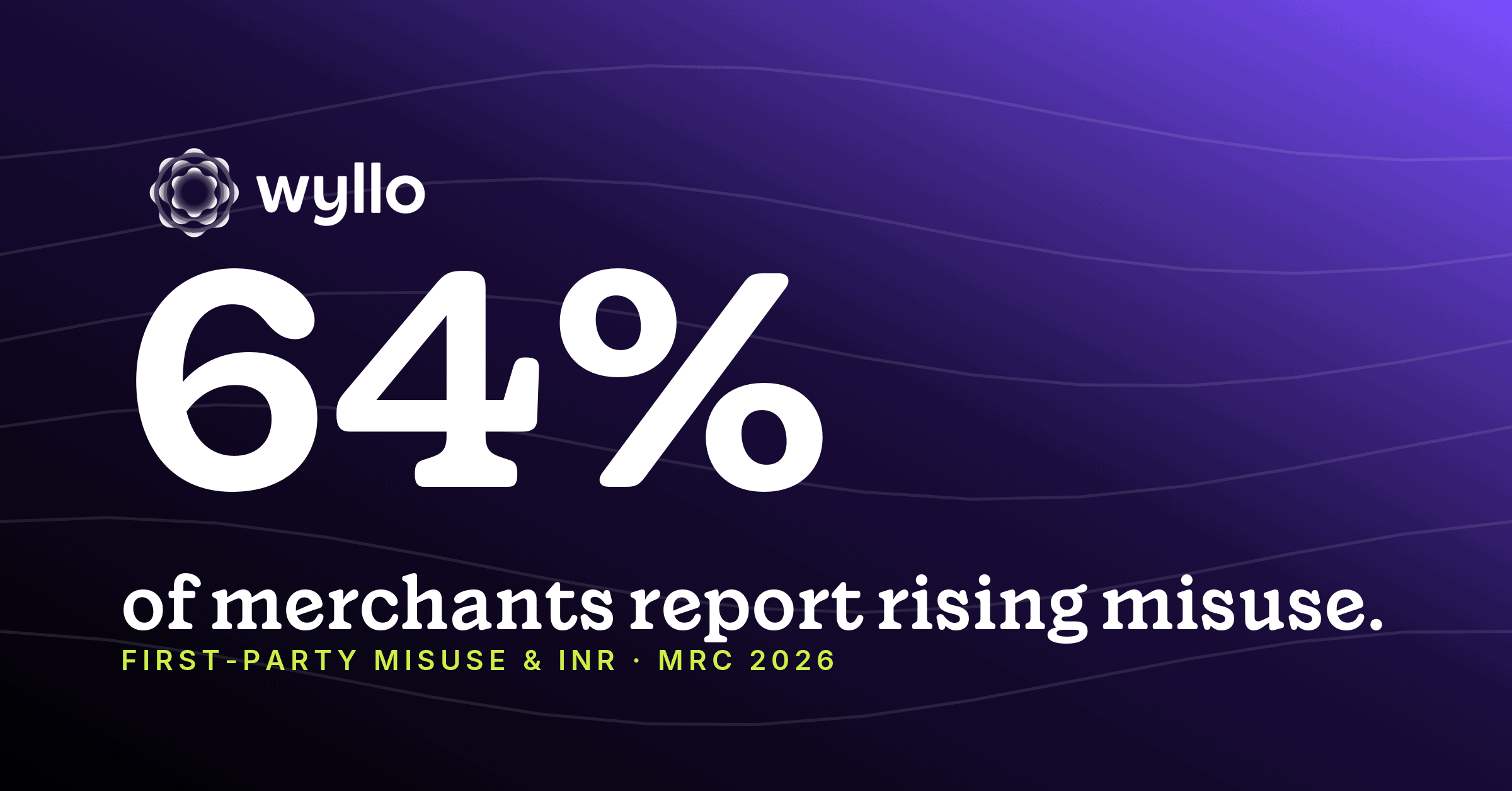
The result is a category that the industry now ranks at the top. The Merchant Risk Council’s 2025 Global eCommerce Payments and Fraud Report found refund and policy abuse to be a leading loss driver for digital merchants, ahead of the payment fraud that used to sit at the top of the list. The threat moved downstream, and many fraud programs have not followed it there.
The 7 Main Types of Post-Purchase Fraud
Post-purchase fraud is a family, not a single tactic. These are the seven patterns that show up most.
1. Returns Fraud
Using the returns process to extract value dishonestly: returning stolen merchandise for cash, sending back a different or empty item than the one purchased, or returning goods obtained through an earlier fraud. Returns fraud is the umbrella; several patterns below are specific forms of it.
2. Refund and Policy Abuse
Exploiting the rules rather than breaking them outright. A shopper claims an item arrived damaged to get a refund while keeping the product, stacks promotions beyond their intent, or repeatedly invokes a courtesy refund policy. It often looks like ordinary customer behavior one order at a time, which is exactly why it is hard to catch without connecting activity across orders.
3. Wardrobing
Buying an item, using it once, and returning it as new: the cocktail dress worn to one event, the television bought for the big game and returned the Monday after. The product comes back used or damaged and can’t be resold at full value.
4. Bracketing
Ordering multiple sizes, colors, or variants intending to keep one and return the rest. Not always fraudulent, but at scale it drives return rates and processing cost hard. The behavior is increasingly normalized: the NRF reports that 51% of Gen Z consumers say they bracket, which moves it from edge case to planning assumption.
5. Item-Not-Received and Claims Fraud
Claiming a delivered order never arrived (often called INR) to win a refund or replacement, or filing false warranty and damage claims. The newest wrinkle is manipulated evidence: lightly altered or AI-generated images of “damage” submitted to automated claim approvals.
6. Friendly Fraud and Chargeback Abuse
Disputing a legitimate charge with the bank instead of resolving it with the merchant, sometimes deliberately, sometimes because the customer didn’t recognize the descriptor or couldn’t find support. Mastercard has reported that first-party (friendly) fraud accounts for a substantial and rising share of all chargebacks. For the merchant it lands as a chargeback weeks after a sale that looked complete.
7. Account Farming and Identity Reuse
Creating or aging accounts, or recycling lightly disguised identities, to repeat post-purchase abuse at scale: fresh accounts to dodge return limits, or linked accounts that let the same actor keep filing claims after one identity gets flagged. This is the connective tissue that turns one-off abuse into an operation.
The Business Impact
Post-purchase fraud lands in more places than the obvious refund:
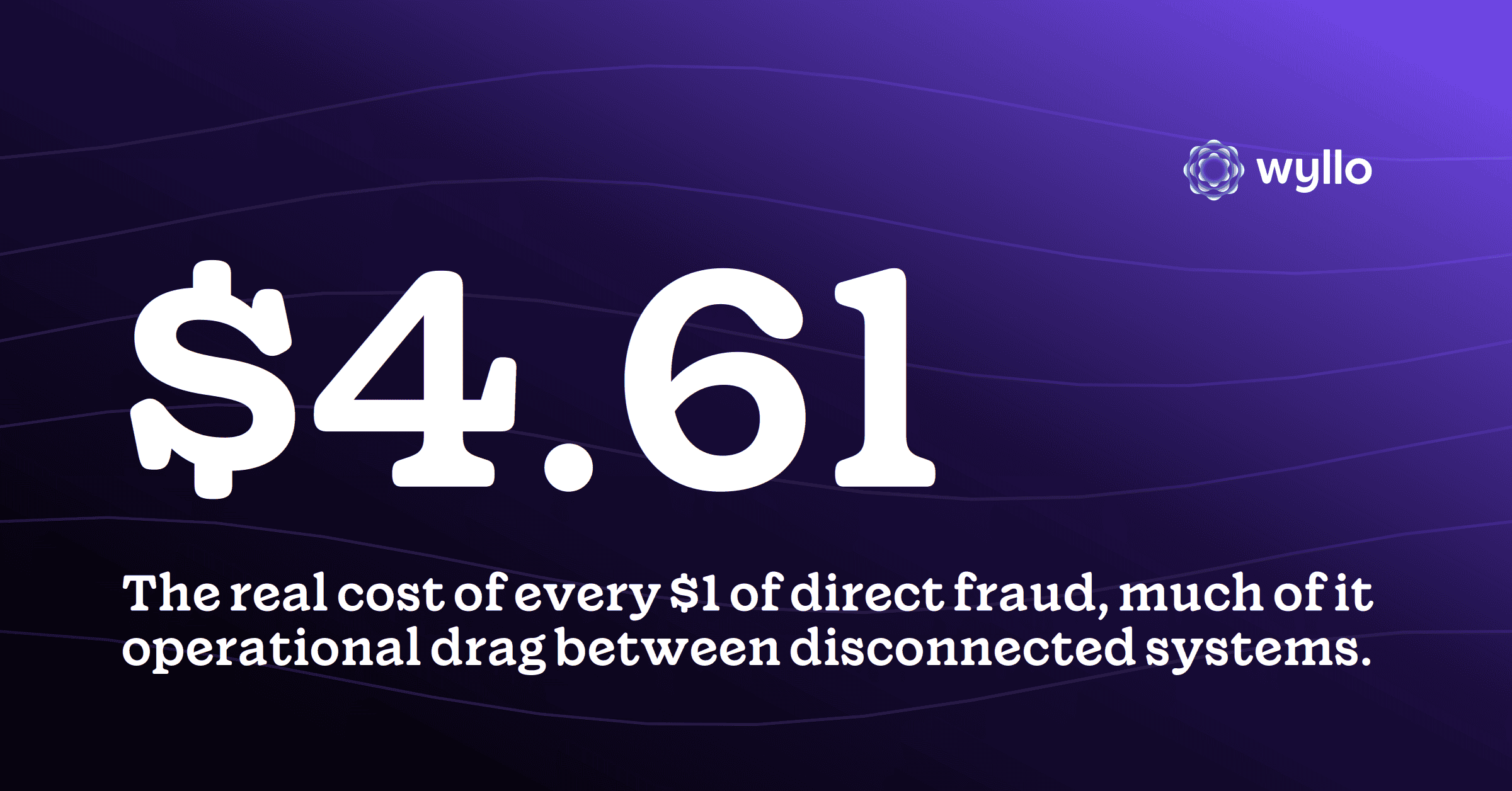
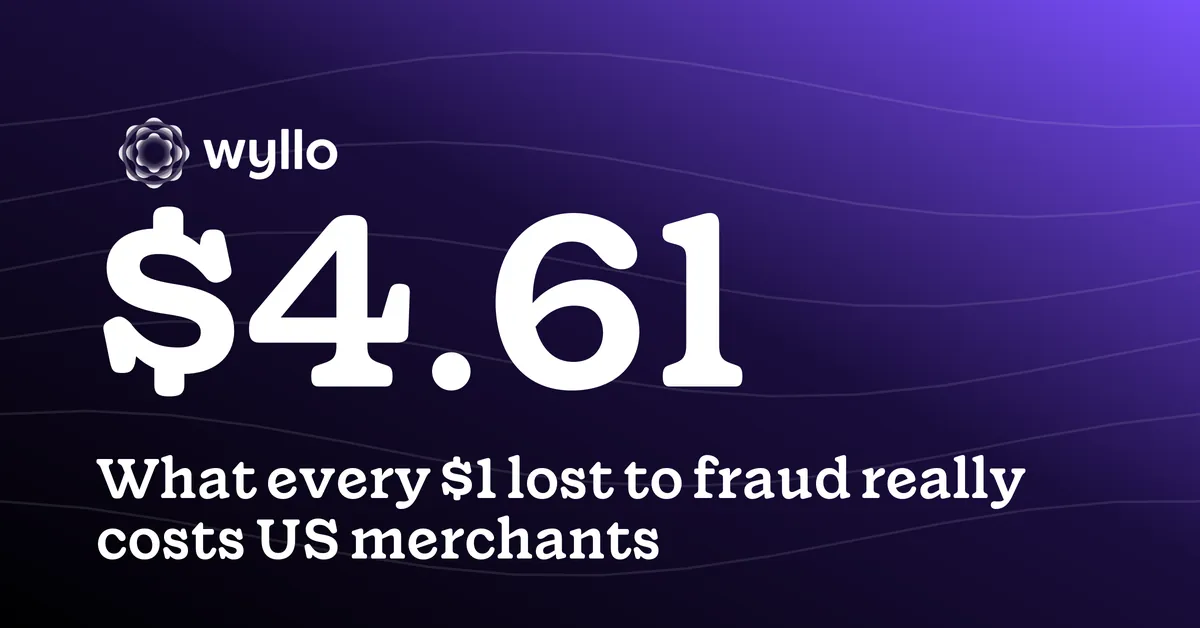
- Direct loss. The refunded amount, the kept or unsellable product, the shipping both ways. Industry estimates put the total cost of fraud well above the face value of the loss; LexisNexis Risk Solutions’ True Cost of Fraud research has put the figure around $4.61 for every $1 of fraud once fees, labor, and replacement are counted.
- Margin erosion. Returns already carry processing cost; fraudulent ones add loss on top with no offsetting revenue.
- Operational drag. Claims, disputes, and investigations consume support, finance, and ops time that could go to real customers.
- Distorted data and policy whiplash. Abuse hidden inside normal returns pushes teams toward blunt reactions (tighter policies for everyone) that punish good customers and dent loyalty.
- Program exposure. Chargebacks that cross network thresholds carry escalating fees and processing risk.
How to Reduce Post-Purchase Fraud
The instinct to clamp down on policies is understandable and usually backfires. Generous returns and easy refunds are why customers buy; stripping them to stop a minority of abusers turns away the majority who don’t. The stronger approach reads intent and applies friction in proportion to risk.
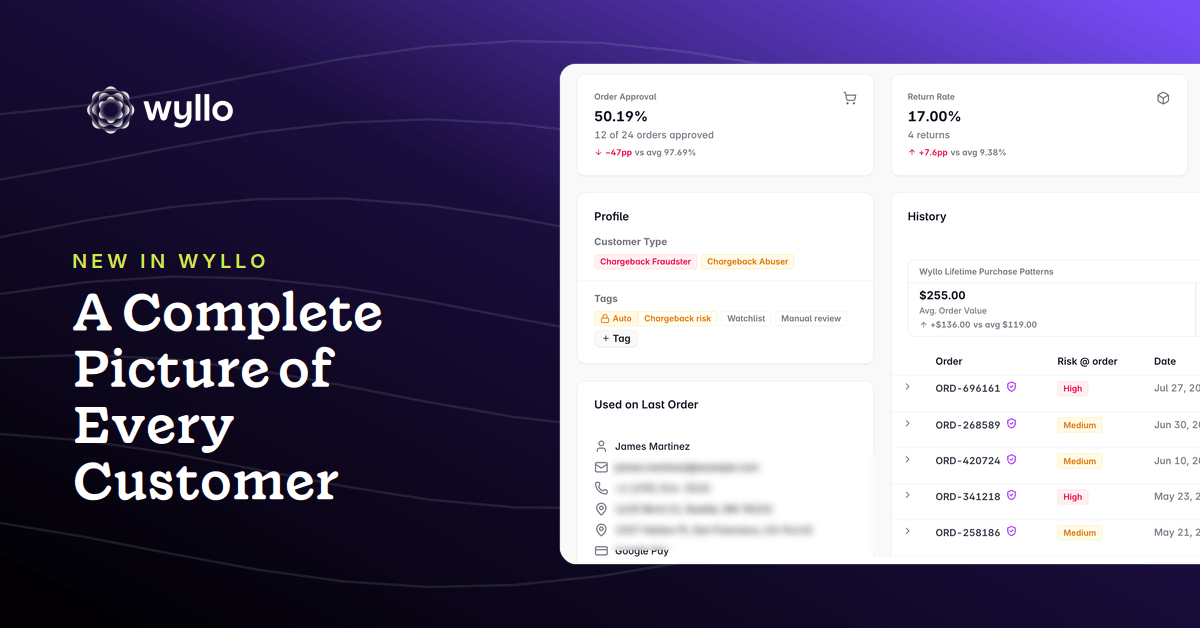
Connect activity across the journey. The single most useful shift is to stop evaluating each return, claim, or dispute in isolation. Abuse reveals itself in patterns: the same address behind many “never arrived” claims, linked accounts evading return limits, a refund rate that sits far outside the norm. Connected signals beat any single rule.
Right-size policy to risk, not to the lowest common denominator. Trusted customers should get the fast, easy returns and instant refunds that build loyalty; orders carrying risk signals can warrant verification, a slower refund, or a closer look. The policy is yours; detection just makes it conditional instead of one-size-fits-all.
Screen the post-sale moments, not only checkout. Apply risk scoring to returns, refund requests, claims, and disputes the same way you do to the initial transaction. A return or claim is a transaction too.
Make resolution easy and descriptors clear. A meaningful slice of “friendly fraud” is honest confusion: an unrecognized statement descriptor, a missing cancel path, a refund that felt slow. Clear billing descriptors, easy self-service, and a fast support path divert disputes back to you and away from the bank.
Fight chargebacks you can win, and learn from the ones you can’t. Structured representment recovers revenue on first-party disputes; the patterns in lost cases tell you where policy or evidence needs to tighten.
How Wyllo Helps
Wyllo is the risk intelligence platform for commerce. Post-purchase fraud is the clearest case for the idea Wyllo is built on: the same actor shows up across returns, claims, support, and disputes wearing different faces, and the only way to see it is to connect the signals and read intent rather than judge each event alone. Risk is what flags the return or claim; intent is what tells you whether to trust it.
A few parts of the platform carry most of the load here:
- Wyllo Return Fraud and Abuse Prevention scores returns and refunds against identity, order history, delivery outcomes, and return behavior, so you can right-size return policy to risk instead of policing everyone.
- Wyllo Claim and Policy Abuse Prevention catches INR claims, damage-claim manipulation, and policy exploitation upstream, before they become refunds or disputes.
- Wyllo Chargeback Management turns representment into a structured workflow that recovers more first-party disputes with less manual effort.
- Wyllo CX Support puts risk context and next-best actions inside the support tools your team already uses, so the people closest to the customer can act with intelligence.
Precision over paranoia. The goal is to keep the easy, generous experience for the customers who earn it, and recognize the patterns quietly working the policy.
Frequently Asked Questions
What is post-purchase fraud?
Post-purchase fraud is fraud or abuse that happens after a transaction is approved, targeting the stages after the sale: returns, refunds, warranty and item-not-received claims, promotional and policy terms, and payment disputes. The order clears checkout cleanly, then value is extracted later through the return, claim, or chargeback.
How is post-purchase fraud different from payment fraud?
Payment fraud happens at checkout and asks whether the transaction itself is legitimate, typically a stolen or fabricated card. Post-purchase fraud happens after a clean, paid transaction and exploits the post-sale process. The two need different defenses: checkout screening alone won’t catch a fraudulent return or a friendly fraud chargeback weeks later.
What are the most common types of post-purchase fraud?
Returns fraud, refund and policy abuse, wardrobing (using and returning an item as new), bracketing (buying multiples to return most), item-not-received and false damage claims, friendly fraud and chargeback abuse, and account farming or identity reuse that lets the same actor repeat abuse at scale.
How much does post-purchase fraud cost merchants?
It depends on the business, but the surrounding data sets the scale: returns reached about $890 billion in 2024 per the NRF, refund and policy abuse now ranks as a leading loss driver per the MRC, and total fraud cost runs well above face value: roughly $4.61 per $1 of fraud by LexisNexis Risk Solutions’ estimate once fees, labor, and replacement are included.
How can merchants prevent post-purchase fraud without hurting good customers?
Connect activity across orders to spot patterns, right-size policy to risk so trusted customers keep the easy experience, screen returns and claims the way you screen checkout, make resolution and billing descriptors clear to divert honest disputes, and use structured representment on chargebacks. The aim is proportionate response, not blanket policy cuts.
Bringing It Together
Fraud followed the money downstream. As checkout screening matured, abuse moved to the parts of the journey many teams never instrumented: the return, the refund, the claim, the dispute. The merchants who handle it well don’t retreat from generous policies; they get better at telling the difference between the customer who deserves the easy experience and the actor quietly working the rules.
That difference is intent, and it only becomes visible when the signals across the journey are connected rather than judged one event at a time. Curious how reading intent across returns, claims, and disputes would change your post-sale loss? Start with Wyllo Return Fraud and Abuse Prevention, or explore the broader Wyllo platform for connected intelligence across the full customer journey.