The fastest growing loss driver in commerce isn’t breaking the rules — it’s working them. Here’s what policy abuse in ecommerce looks like and how to respond without gutting the policies that win customers.
The hardest fraud to fight is the kind that never breaks a rule. Policy abuse is exactly that: customers using a merchant’s own generous terms, returns, refunds, promotions, price matching, exactly as written, but in ways and at volumes the merchant never intended. There’s no stolen card to flag, no obvious crime, just a steady leak of margin disguised as ordinary customer behavior. It has become serious enough that the Merchant Risk Council’s 2025 Global eCommerce Payments and Fraud Report identifies refund and policy abuse as a leading loss driver for digital merchants.
This guide defines policy abuse, shows its common forms, and explains how to curb it while keeping the customer-friendly policies that drive growth.
What is policy abuse?
Policy abuse is the exploitation of a merchant’s legitimate policies for personal gain beyond their intent. Unlike payment fraud, it doesn’t rely on stolen credentials or deception about identity. The shopper is often a real customer using real information, simply extracting more value from the rules than those rules were designed to give.
That is what makes it slippery. Any single instance looks like a customer exercising a stated right. The abuse lives in the pattern and the intent behind it, not in any one transaction.
The 6 Types of Policy Abuse in Ecommerce
Policy abuse is a family of behaviors rather than a single tactic. These six patterns account for most of the loss.
1. Return and Refund Abuse
Habitual returning, wardrobing (using an item then returning it as new), or repeatedly claiming damage to keep the product and the money. The return policy is real; the use of it is not in good faith.
2. Promotion and Discount Abuse
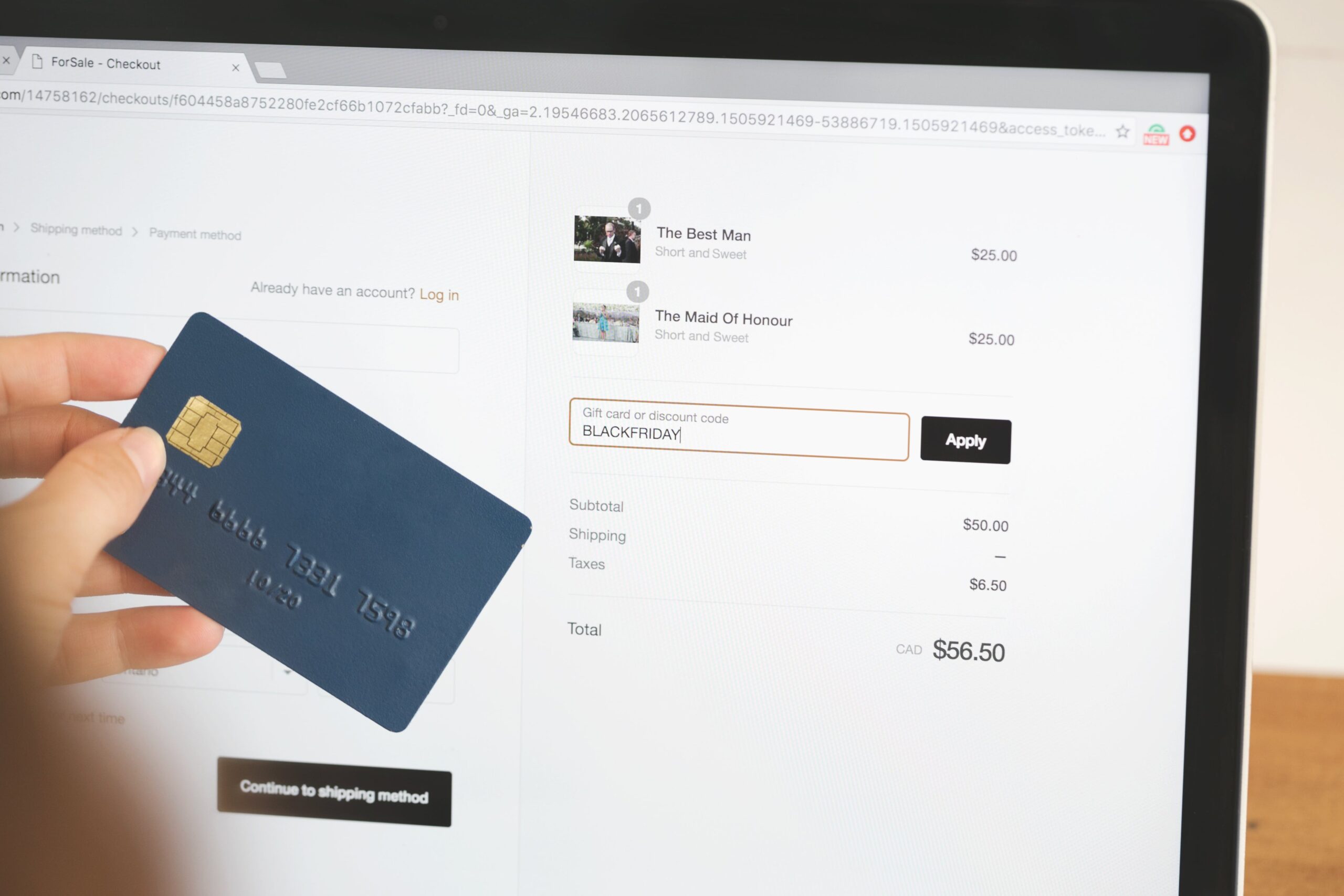
Reusing first-order discounts, stacking promo codes beyond their intent, or creating new accounts and identities to claim “new customer” offers repeatedly. A common version uses anonymous prepaid instruments to farm introductory pricing.
3. Price Match and Guarantee Abuse
Gaming price match policies with manufactured or expired competitor prices, or exploiting satisfaction guarantees to take repeated refunds while keeping goods.
4. Courtesy and Goodwill Abuse
Repeatedly invoking goodwill credits, appeasements, or one-time exceptions until they become a personal subsidy, often by working different support agents who can’t see the history.
5. Loyalty and Rewards Abuse
Earning points on purchases that are later returned while keeping the rewards, farming referral bonuses through self-referrals and fake accounts, or redeeming rewards against orders that were never meant to be kept. The program pays out; the loyalty it was designed to buy never existed.
6. Free Trial and Subscription Abuse
Cycling free trials and introductory offers with fresh emails, new accounts, or prepaid cards, so the brand keeps paying to acquire a “new customer” it already has. The same identity games surface across recurring commerce, a pattern explored in our guide to subscription fraud and how to protect against it.
Why Policy Abuse Is Rising
Two forces feed it. First, generous policies became table stakes: free returns, instant refunds, deep welcome offers, and easy goodwill are how brands compete, and they define the surface available to abuse. Second, the behavior carries little stigma or risk for the shopper, so it spreads. The result is a category that looks like good customer service on the surface while quietly eroding margin underneath, and that traditional fraud screening, tuned for stolen cards at checkout, was never built to catch.
How to Curb Policy Abuse
Don’t punish everyone for the few. Cutting generous policies to stop abusers is the reflex that costs the most, alienating the honest majority to deter a minority.
Read intent across the relationship. Policy abuse is defined by repetition and pattern. Connect returns, refunds, promotions, claims, and support history so the repeat actor stands out from the genuine customer.
Make policy conditional on risk. Reserve the most generous terms, instant refunds, no-questions exceptions, deep first-order pricing, for shoppers whose behavior earns them, and add proportionate checks where signals warrant.
Give support the full picture. Much goodwill abuse works because each agent sees only one interaction. Shared history and risk context across channels closes that gap.
How Wyllo Helps
Wyllo is the risk intelligence platform for commerce. Policy abuse is the purest case for intent: nothing is technically broken, so the only way to respond well is to understand what the shopper is actually doing across the whole journey. Risk surfaces the behavior; intent explains whether it’s a loyal customer or a pattern being worked.
- Wyllo Claim and Policy Abuse Prevention spots policy exploitation, repeat claims, and goodwill abuse upstream, before they turn into refunds, disputes, or escalations.
- Wyllo Return Fraud and Abuse Prevention right-sizes return and refund policy to risk instead of applying one rule to everyone.
- Wyllo Bot and Reseller Detection catches the multi-account and identity-reuse patterns behind promotion and discount abuse.
Judgment over rules.
Frequently Asked Questions
What is policy abuse in ecommerce?
Policy abuse is the exploitation of a merchant’s own legitimate policies, such as returns, refunds, promotions, and price matching, for gain beyond their intent. It usually involves real customers using real information, which is why it’s harder to spot than payment fraud.
How is policy abuse different from fraud?
Traditional fraud breaks the rules, typically with stolen credentials or false identity. Policy abuse works within the rules, extracting more value than intended. There’s no obvious crime in any single instance; the abuse lives in the pattern and intent across many interactions.
Why is policy abuse increasing?
Generous policies have become a competitive standard, which expands the surface available to abuse, and the behavior carries little risk or stigma for the shopper. Meanwhile, fraud tools built to catch stolen cards at checkout don’t detect rule-working that happens after a clean purchase.
What are the most common types of policy abuse in ecommerce?
The six most common types are return and refund abuse, promotion and discount abuse, price match and guarantee abuse, courtesy and goodwill abuse, loyalty and rewards abuse, and free trial and subscription abuse. Each works a legitimate policy rather than breaking a rule, which is why detection depends on reading patterns across the relationship instead of judging single transactions.
How can merchants reduce policy abuse without cutting good policies?
Read intent across the relationship to separate repeat abusers from loyal customers, make the most generous terms conditional on demonstrated trust, and give support shared history and risk context so goodwill abuse can’t slip between agents. The aim is proportionate response, not blanket policy cuts.
Bringing It Together
Policy abuse is the price of generosity, and the answer is not to stop being generous. It’s to know who you’re being generous with. That means reading intent across returns, refunds, promotions, and support rather than treating each interaction as a fresh, contextless event. Done well, the good policies keep doing their job for the customers they were meant for.
Curious how reading intent would change which customers keep your most generous terms? Start with Wyllo Claim and Policy Abuse Prevention, or explore the Wyllo platform for connected intelligence across the full customer journey.