By Breanna Moreno, CX Architect at Wyllo
Let’s be honest: The era of “Free Returns for Everyone” was a marketing drug that we all got addicted to in the 2010s. Now, the bill is coming due. Between rising carrier rates and the logistical nightmare of “bracket shopping,” CFOs everywhere are reaching for the easiest lever they can find: The Return Fee.
But as a CX leader who has scaled brands, I have to ask: Are we burning the house down just to get rid of a few spiders? Before you pass your operational challenges onto your customers, we need to talk about the “When,” the “How,” and the “Why” of charging for returns.
1. The Psychology of the “Fairness Meter”
Buying online is an act of trust. For apparel especially, the customer’s bedroom is the fitting room. When you charge for a return here, you are essentially charging the customer for the “right” to see if your product actually works for their body.
Every consumer has an internal Fairness Meter, and it changes based on what they are buying:
- The “Logistical Reality” (Furniture/Hard Goods): If a customer returns a mid-century modern sectional, they expect a fee. They know it takes a truck and two people to move that thing. The fee feels “fair.”
- The “Sizing Tax” (Apparel/Footwear): If a customer returns a blouse because your “Medium” fits like a “Small,” a return fee feels like a penalty for a mistake the brand made.
The Takeaway: If you apply “Furniture logic” to an “Apparel brand,” your conversion rate is going to take a hit that no “saved shipping cost” can justify.
2. Return Fees: Are You Solving for the 5% or the 95%?
Most brands implement return fees because they are frustrated by the few who take advantage of the system; the serial returners and the wardrobers.

But if you implement a blanket fee, you are punishing the 95% of honest shoppers to spite the 5% who are gaming you. Before you ask your customers to open their wallets, you owe it to your brand to do the “Internal Homework”:
- Audit your operations: Have you optimized your “Return to Stock” speed?
- Consolidate your tech: Are you using network intelligence to identify the actual abusers so you can be surgical with your fees instead of using a sledgehammer?
3. Don’t Guess, Test: The A/B Blueprint
I hear it too often across our industry: “Everyone else is charging, so we should too.” My response? Pressure test it. Industry data shows that while nearly 80% of retailers are now charging fees, the impact on “Repeat Purchase Rate” varies wildly. Don’t flip a switch; run an A/B test:
- The “Credit vs. Cash” Split: Try offering free returns if the customer chooses Store Credit, but apply a $7 fee if they want a refund to their original form of payment. See if you can keep the revenue “in the house” without killing the vibe.
- The “Loyalty” Gate: Test free returns for your VIPs and low-risk shoppers, while implementing a fee for first-time buyers or high-frequency returners. *But remember, your first time buyers are also pressure testing the relationship to build trust in your brand, so consider 1st return is free and subsequent returns may incur a fee.
4. The Hidden Cost of “Sneaky” Fees
If you decide to charge, transparency is your only shield. Most brands roll out these fees and “hope nobody notices” until the moment of the return. This is a recipe for a CX uproar. When you surprise a loyalist with a fee at the finish line, you aren’t just taking $7; you’re taking away their security in the brand.
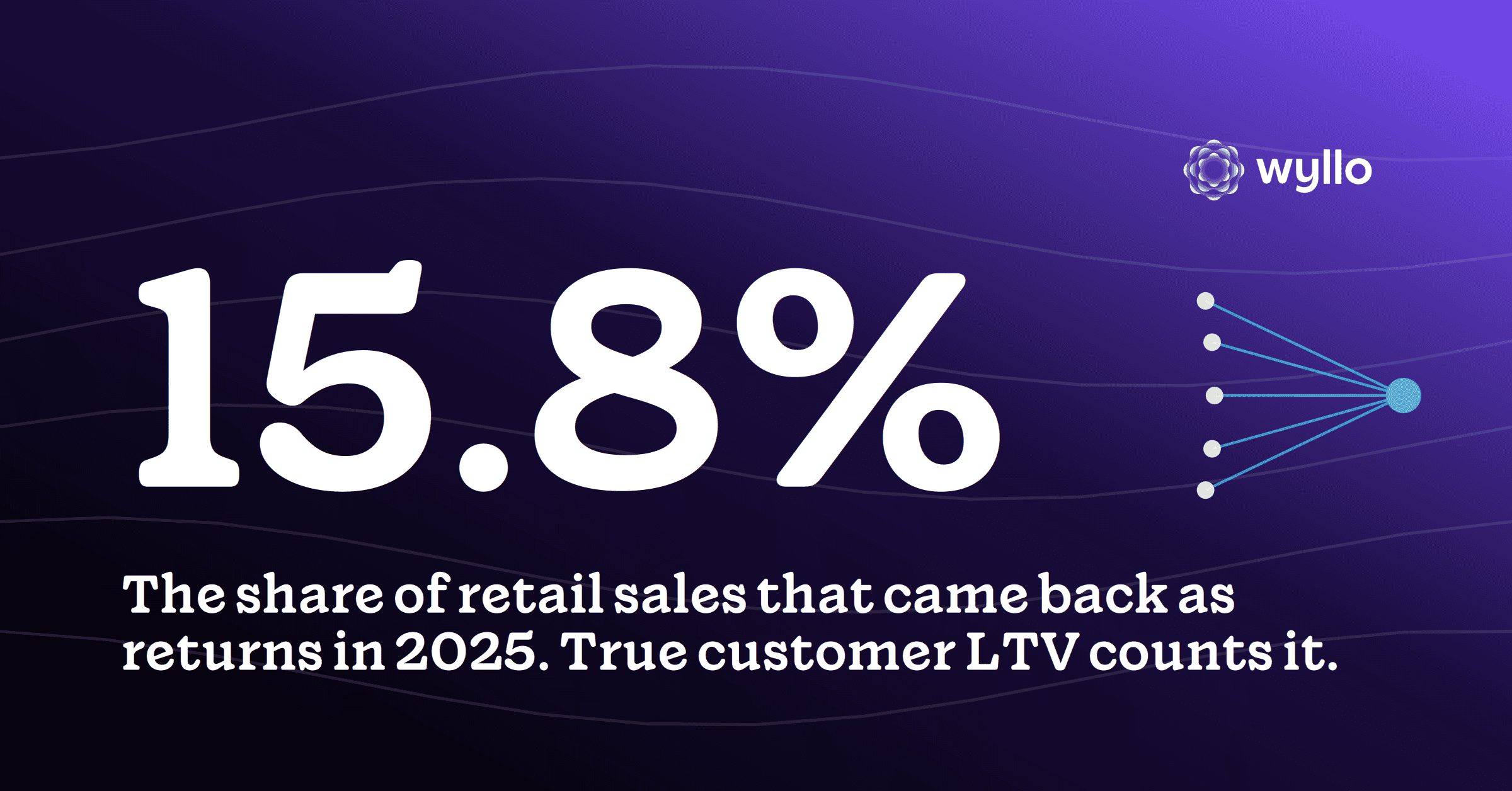
If a $7 fee leads to $50 worth of labor in “Why was I charged?” emails and a drop in Customer Lifetime Value, you didn’t save money, you lost it.
The Bottom Line on Return Fees
Building an impactful CX department means being a guardian of the relationship. Sometimes, that means telling your organization: “We can’t charge for this return yet. First, we need to fix the sizing data so they don’t have to return it in the first place.”
Don’t pass your operational failures onto your customers. Use the data, run the tests, and be surgical. Your conversion rate, and your community, will thank you.