What actually protects a subscription business from fraud, why the recurring model needs a different approach than one-time retail, and how to build a prevention stack that reads intent across the whole lifecycle
The best fraud prevention for a subscription business isn’t a single tool. It’s a connected approach that screens the entire customer lifecycle and reads intent, not just identity. Subscription models are exposed to several fraud types at once (payment fraud, first-order and free trial abuse, account takeover, and friendly fraud chargebacks), and because the relationship recurs, a single exploit keeps costing you on every future rebill. That structural difference is why subscription fraud prevention deserves its own playbook.
It also deserves attention because the category is enormous and growing. Juniper Research projects the global subscription economy will approach $1 trillion in value by 2028, and the deep introductory offers fueling that growth are exactly the surface fraudsters target. This guide covers why subscription businesses are a fraud magnet, the threats your prevention stack has to cover, what to look for in the tools, and how to defend without taxing the subscribers you want to keep.
Subscription Fraud Prevention Tools: The Capabilities Checklist
Before comparing tools (and if you are earlier in that process, start with our guide to choosing ecommerce fraud protection software), get clear on what “best” means for a subscription business. The strongest option is rarely the tool with the most rules. It is the one that covers these seven capabilities in one connected, intent-aware layer:
- Lifecycle payment screening. Scores signups, rebills, reactivations, and “buy again” actions, not just the first order.
- Promo and free trial abuse detection. Catches the multi-account, disposable identity, and prepaid card patterns that farm introductory offers.
- Account takeover protection. Behavioral and device signals on recurring accounts over time, not only at checkout.
- Chargeback management and representment. Recovers the first-party (friendly) fraud that hits every billing cycle.
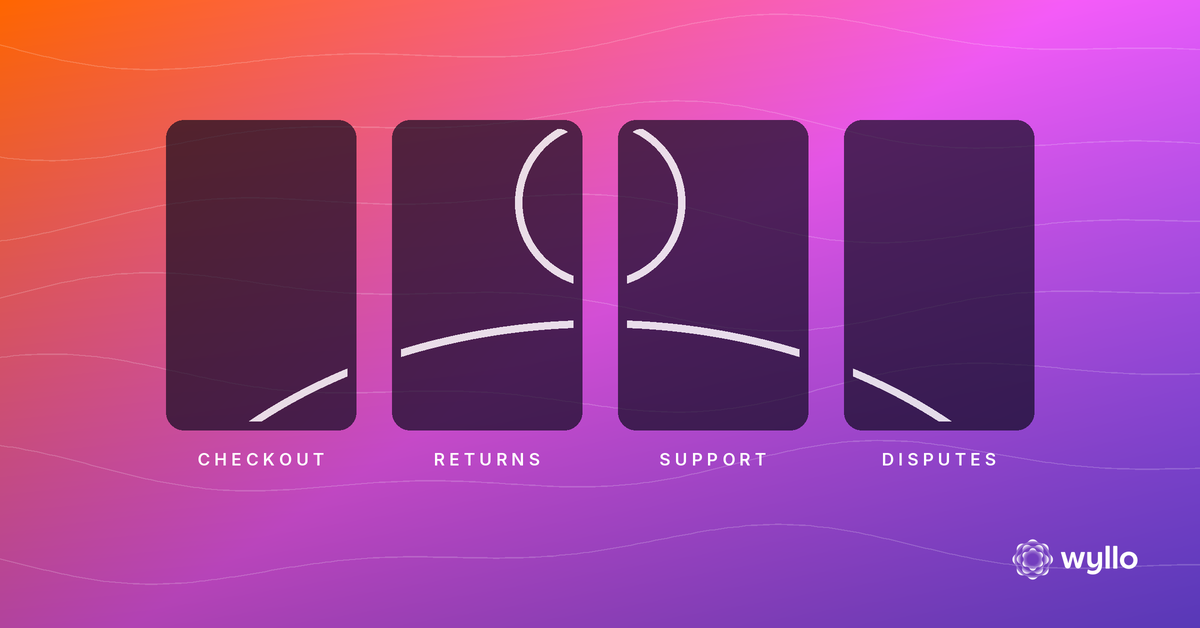
- Connected, intent-aware decisioning. One linked view across checkout, returns, support, and disputes, so the same actor is recognized everywhere.
- Customer experience balance. Reads intent so trusted subscribers keep fast checkout while friction is reserved for genuine risk. The security-versus-experience tradeoff, done right.
- Fits your existing stack. Embeds in the tools your team already uses instead of adding another dashboard nobody checks.
The rest of this guide explains why each capability matters, the threats they answer, and how to assemble the stack without taxing the subscribers you want to keep.
Why Subscription Businesses Are a Fraud Magnet
Two structural traits make subscriptions especially attractive to bad actors.
First, the recurring relationship compounds every exploit. A one-time retailer absorbs a single fraudulent order and moves on. A subscription business front-loads value (a deep welcome discount or a free trial) on the expectation of earning it back over months, so when a “customer” extracts that value and disappears, the entire subsidy is lost with nothing behind it.
Second, the model runs on policies, and policies can be worked. Generous trials, easy cancellation, instant refunds, and recurring billing are all surfaces that can be abused without ever breaking a rule. The Merchant Risk Council’s 2025 Global eCommerce Payments and Fraud Report found refund and policy abuse to be a leading loss driver for digital merchants, which lands hard on a business built entirely on policies.
The Fraud Types Your Prevention Stack Has to Cover
Subscription fraud is rarely one tactic. An effective prevention approach has to account for all of these at once:
- Payment fraud on signup and rebill. Stolen or synthetic cards used to open subscriptions, plus fraud that surfaces on recurring charges and reactivations, not just the first order.
- First-order and free trial abuse. Repeatedly claiming introductory pricing or trials under fresh identities, disposable emails, and anonymous prepaid cards that carry no history to flag.
- Account takeover (ATO). Credential stuffing and social engineering to hijack existing subscriber accounts, change shipping, drain stored payment methods, or quietly resubscribe a canceled account. ATO has been one of the fastest-rising fraud categories, with TransUnion reporting a sharp year-over-year increase in suspected ATO.
- Friendly fraud and chargebacks. Disputing legitimate recurring charges with the bank instead of the merchant. Mastercard has reported first-party (friendly) fraud as a large and rising share of all chargebacks, and every billing cycle is a fresh dispute trigger.
- Policy and refund abuse. Working courtesy refunds, cancellation terms, and goodwill repeatedly until they become a personal subsidy.
What to Look for in Subscription Fraud Prevention Tools
The right capabilities matter more than any single product name. Look for five things, ideally in one connected layer rather than stitched-together point tools.
Lifecycle Payment Screening, Not Just Signup
The most common gap in subscription fraud programs is tooling that only inspects the first order. Recurring rebills, reactivations, and “buy again” actions should run through the same decisioning as the initial purchase, because that is where compounding loss hides.
Promo and Free Trial Abuse Detection
Bot, fake account, and multi-account detection that catches discount farming, including the prepaid card and disposable identity patterns used to claim first-order pricing again and again. This is where reading the payment instrument and the connections between accounts pays off.
Account Takeover Protection on Recurring Accounts
Behavioral and device signals that flag credential stuffing, sudden address changes right before a rebill, and quiet reactivations of canceled accounts, applied to the account over time rather than only at checkout.
Chargeback Management and Representment
Structured dispute handling that recovers first-party fraud, because friendly fraud chargebacks hit subscription billing on every cycle. Strong representment workflows win back revenue that would otherwise leak away weeks after a clean sale.
Connected, Intent-Aware Decisioning
The capability that ties the other four together: signals linked across checkout, returns, support, and disputes so the same actor is recognized everywhere, with decisions embedded inside the tools your team already uses rather than in a separate dashboard. Identity tells you who placed an order. Intent tells you why, and intent is what separates a loyal subscriber from a pattern being worked.
Connected Platform vs. Point Tools
You can assemble subscription fraud prevention from separate point tools, one for payments, one for bots, one for chargebacks, but the seams are where abuse lives. A fraudster who looks like an unrelated new shopper to each tool is obvious the moment the signals are connected. The stronger model is a single risk intelligence layer that sees the whole lifecycle and applies merchant-specific context, including the clustered, linked-account patterns that point tools miss when they each judge events in isolation.
This is also what keeps prevention from becoming a tax on good subscribers. When you can read intent, you can be generous with confidence, fast checkout and easy management for trusted customers, with friction reserved for the patterns that warrant it.
Subscription Fraud Prevention Best Practices
- Screen recurring activity, not just signups. Score rebills, reactivations, and one-click reorders with the same rigor as the first order.
- Right-size friction to risk. Lighter verification for trusted subscribers, tighter checks where signals warrant, rather than one blanket policy.
- Make billing and cancellation transparent. Clear descriptors, easy self-service, and proactive pre-rebill communication divert honest disputes away from the bank and cut friendly fraud.
- Connect the journey. Link identity, device, payment, and behavior across signup, returns, support, and disputes so coordinated abuse surfaces.
- Audit rules on a cadence. Tactics shift fast; last year’s rules are usually a step behind today’s rings.
How Wyllo Helps
Wyllo is the risk intelligence platform for commerce, and subscription fraud is a clear case for its core idea: connect the signals across the lifecycle and read intent rather than judging each event alone. Risk gets an interaction looked at; intent explains whether to trust it.
- Wyllo Payment Fraud Protection screens signups and recurring activity with AI-driven decisioning backed by human fraud analysts, covering rebills and reactivations, not just first orders.
- Wyllo Bot and Reseller Detection catches the multi-account and disposable identity patterns behind free trial and promo abuse.
- Wyllo Claim and Policy Abuse Prevention spots account takeover and policy exploitation upstream, before they become refunds or disputes.
- Wyllo Chargeback Management turns representment into a structured workflow that recovers more of the friendly fraud disputes subscription businesses see most.
Less reaction. More reason.
Frequently Asked Questions
What fraud prevention tools work best for subscription ecommerce businesses?
The best approach isn’t a single tool but a connected risk intelligence platform that screens the whole lifecycle and reads intent, not just identity. Prioritize five capabilities: lifecycle payment screening (including rebills and reactivations), promo and free trial abuse detection, account takeover protection on recurring accounts, chargeback management and representment, and connected intent-aware decisioning across checkout, returns, support, and disputes.
Why are subscription businesses targeted by fraud more than one-time retailers?
Because the relationship recurs, a single successful exploit compounds across every future rebill instead of being a one-time loss, and the model runs on policies (trials, refunds, cancellation) that can be worked without breaking a rule. Deep introductory offers also create a high-value target for promo and free trial abuse.
How is subscription fraud prevention different from standard ecommerce fraud prevention?
Standard fraud prevention is largely tuned for the checkout moment. Subscription fraud prevention has to screen the entire lifecycle, especially recurring rebills, reactivations, and account changes, because that is where most subscription-specific loss occurs. Screening only the first order is the most common and costly gap.
Can you prevent subscription fraud without hurting good subscribers?
Yes. The key is reading intent so friction is proportionate: trusted subscribers keep fast checkout and easy management, while tighter checks are reserved for risky patterns. Transparent billing and easy cancellation also prevent much friendly fraud by keeping honest disputes with you rather than the bank.
What is the best fraud protection for a subscription business?
There isn’t a single “best” product, because subscription loss is spread across the lifecycle. The best fraud protection is a connected, intent-aware layer that covers seven capabilities at once: lifecycle payment screening, promo and free trial abuse detection, account takeover protection on recurring accounts, chargeback management and representment, connected decisioning across the journey, a customer experience balance that reserves friction for real risk, and a fit with the tools your team already uses. A tool that scores only checkout will miss most of where subscription revenue actually leaks.
How do subscription brands balance fraud prevention and customer experience?
By reading intent rather than applying blanket rules. When decisioning can tell a trusted subscriber from a pattern being worked, you can keep fast checkout, easy management, and generous trials for the many while reserving verification for the few who warrant it. That is why the security-versus-experience tradeoff mostly disappears with accurate, connected decisioning: precision, not blunt friction, is what protects both the revenue and the relationship.
Bringing It Together
Subscription commerce is one of the strongest growth motions in ecommerce, and that same recurring model is what makes fraud so costly when it slips through. The businesses that protect themselves well don’t bolt on a single tool or clamp down on everyone. They build a connected prevention layer that screens the full lifecycle, reads intent across the journey, and reserves friction for the patterns that earn it.
Curious how intent-aware decisioning across signup, rebills, returns, and disputes would change your subscription fraud exposure? Explore the Wyllo platform for connected intelligence across the full customer journey, or start with Wyllo Payment Fraud Protection for lifecycle decisioning that covers more than the first order.