By Breanna Moreno, CX Architect at Wyllo
We’ve all seen it. You open your Shopify dashboard, see a customer with 32 orders, and immediately funnel them into your “Top 1% VIP” segment. You send them the early access emails, the gift cards, and the white-glove treatment. And, let’s not even start with those repeat customers filing DNR claims month after month…
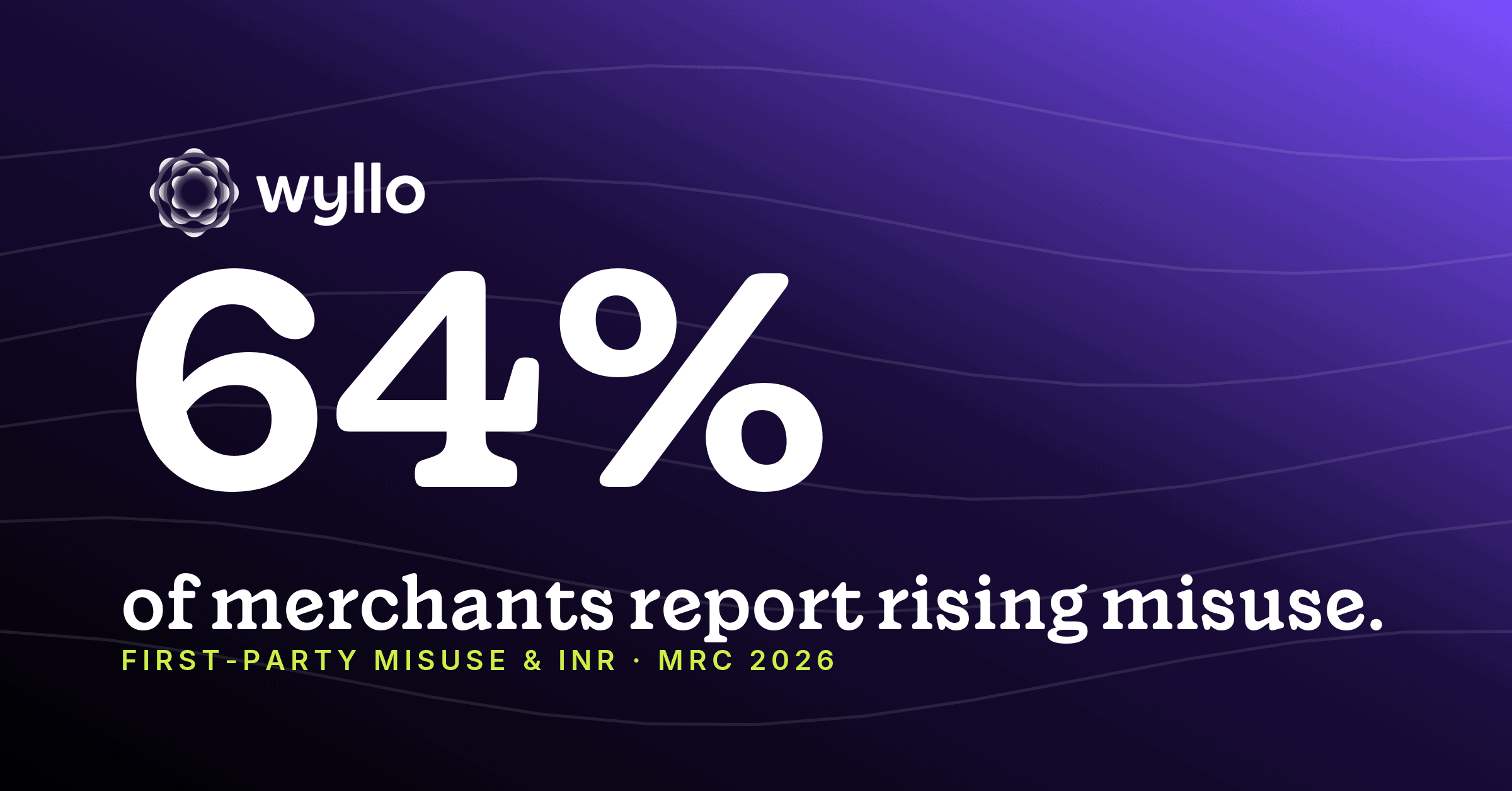
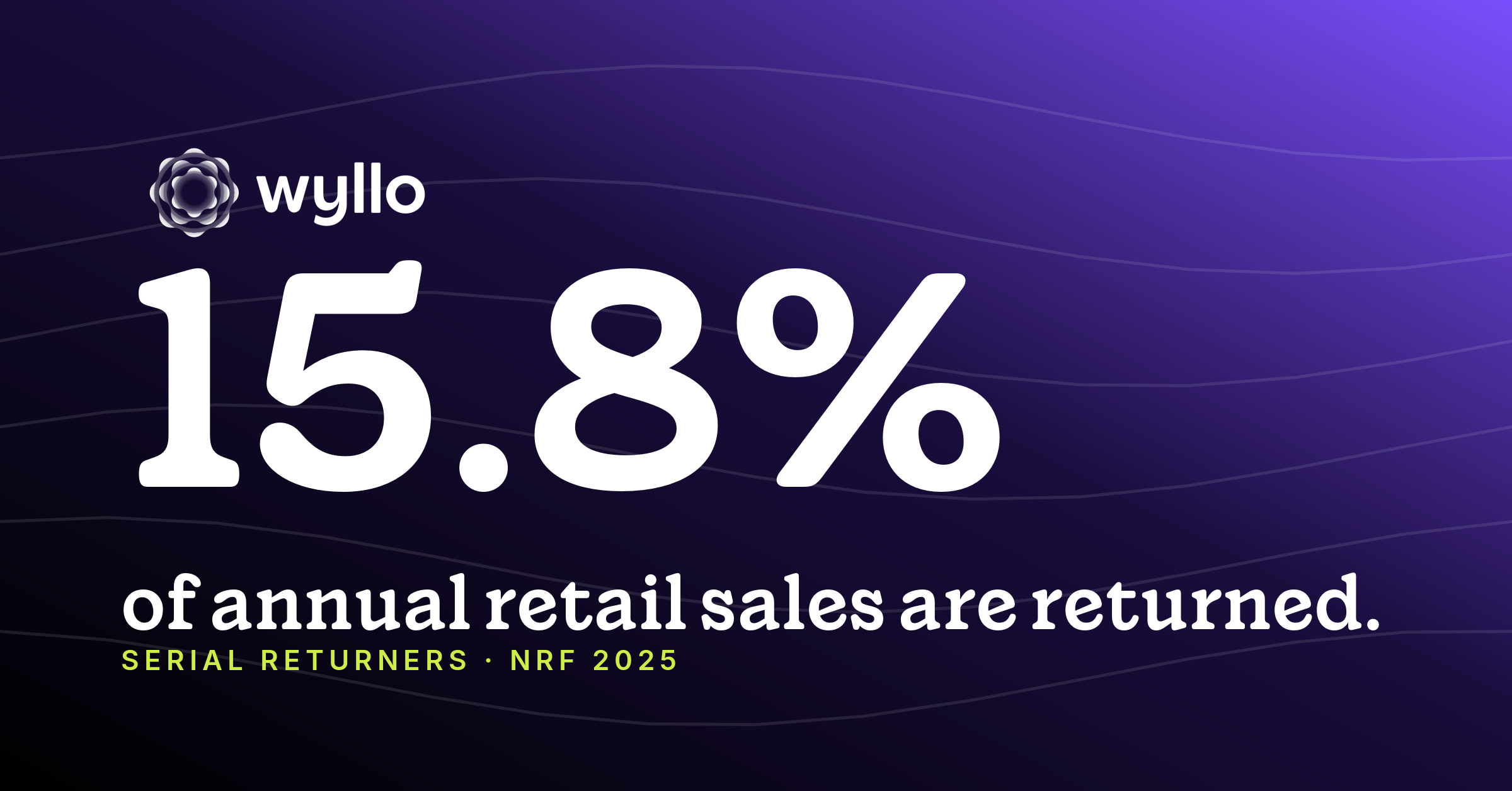
Did you look at their return rate? Because if they’ve returned 80% of those orders, they aren’t your best customer. They are your most expensive liability.
It’s time we stop falling for the marketing hype of “loyalty-for-everyone” and start looking at the actual Profitability per Customer. To drive true profitable customer loyalty, we have to leverage deep insights that paint the full picture; not just the surface-level data.
1. Stop Rewarding Bad Behavior
The status quo is broken. Many brands are accidentally rewarding abusive or costly behaviors because they lack the tech stack to see the risk.
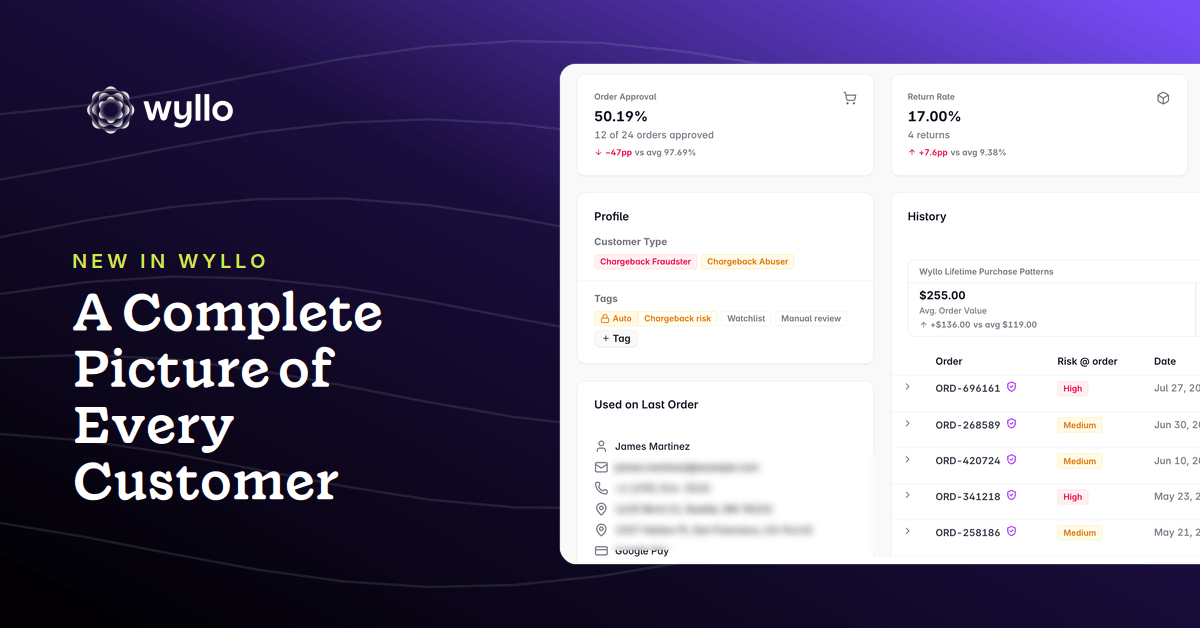
- The Reality: Without deep data enrichment from partners like Wyllo, you are flying blind. You need to know the Net Value of a customer after shipping, returns, and support touches are factored in. We call it True Customer Lifetime Value, or TCLTV.
- The Strategy: Build workflows that make the experience seamless for your high-net-value customers, while adding intentional “friction” for abusers. Loyalty isn’t a blanket; it’s a tiered rewards system based on actual profitability.
2. Customer Experience (CX) is a Revenue Engine, Not a Cost Center
We’ve all heard this before, but are we actually activating it in an impactful way? Most organizations pay lip service to this idea while still managing their teams via “cost-per-ticket” metrics. If you want CX to be a revenue engine, you have to measure it like one. In CX, we are often obsessed with “Time to Resolution,” but the most meaningful metric is the Value Added per Conversation.
When your team interacts with a customer, they are performing a high-stakes financial transaction. Are they:
- Mitigating a return by finding a better fit or a more suitable alternative?
- Converting a skeptic into a first-time buyer through expert product knowledge?
- Retaining a true VIP after a shipping delay with a gesture that actually moves the needle?
While I am the epitome of “work smarter, not harder,” we should also consider the limitations on only measuring our team by how fast they can get off the phone. We should also consider performance metrics around the revenue they save and the loyalty they secure.
3. The “Monday Swimwear” Gold Standard for Profitable Customer Loyalty
Loyalty shouldn’t just be a point system; it should be a UI/UX experience. Look at brands like Monday Swimwear. They don’t just send a generic discount code. They leverage shopping behaviors to drive specific activations. They use opportunities like a holiday to drop surprise bonuses for their true VIPs, often accompanied by a personal note from the founders.
That is how you build an emotional moat around your brand. You use tech partner data to identify who actually deserves that “extra” touch, and then you over-index on them.
4. Leveraging the Tech Stack (The Wyllo Effect)
This level of insight isn’t possible with a basic spreadsheet or a standard Shopify view. You need tech partners that can pull real-time risk and value profiles.
- Workflow Activation: Imagine a workflow where a high-profit customer gets instant “VIP” routing in your helpdesk, while a serial returner is routed to a flow that prioritizes exchange-only options.
- Meaningful Personalization: Use these insights to build a UI that changes based on who is logged in. If they are a top-tier contributor, their experience should be frictionless, rewarded, and recognized.
Profitable Customer Loyalty: The Challenge to CX Leaders
We have to stop accepting basic data. We have to partner with vendors who can show us the Risk vs. Reward of every individual customer.
The goal of profitable customer loyalty is simple: Build meaningful value for the customers who build your business, and stop subsidizing the ones who drain it.
Let’s stop being “Support Managers” and start being “Growth Architects.” Who are your actual top 100 customers? If you can’t answer that with net-profitability data, it’s time to change your workflow.