Ordering several sizes to keep one has become normal shopper behavior. It isn’t fraud, but it drives returns hard. Here’s how to reduce bracketing and manage the cost without alienating good customers.
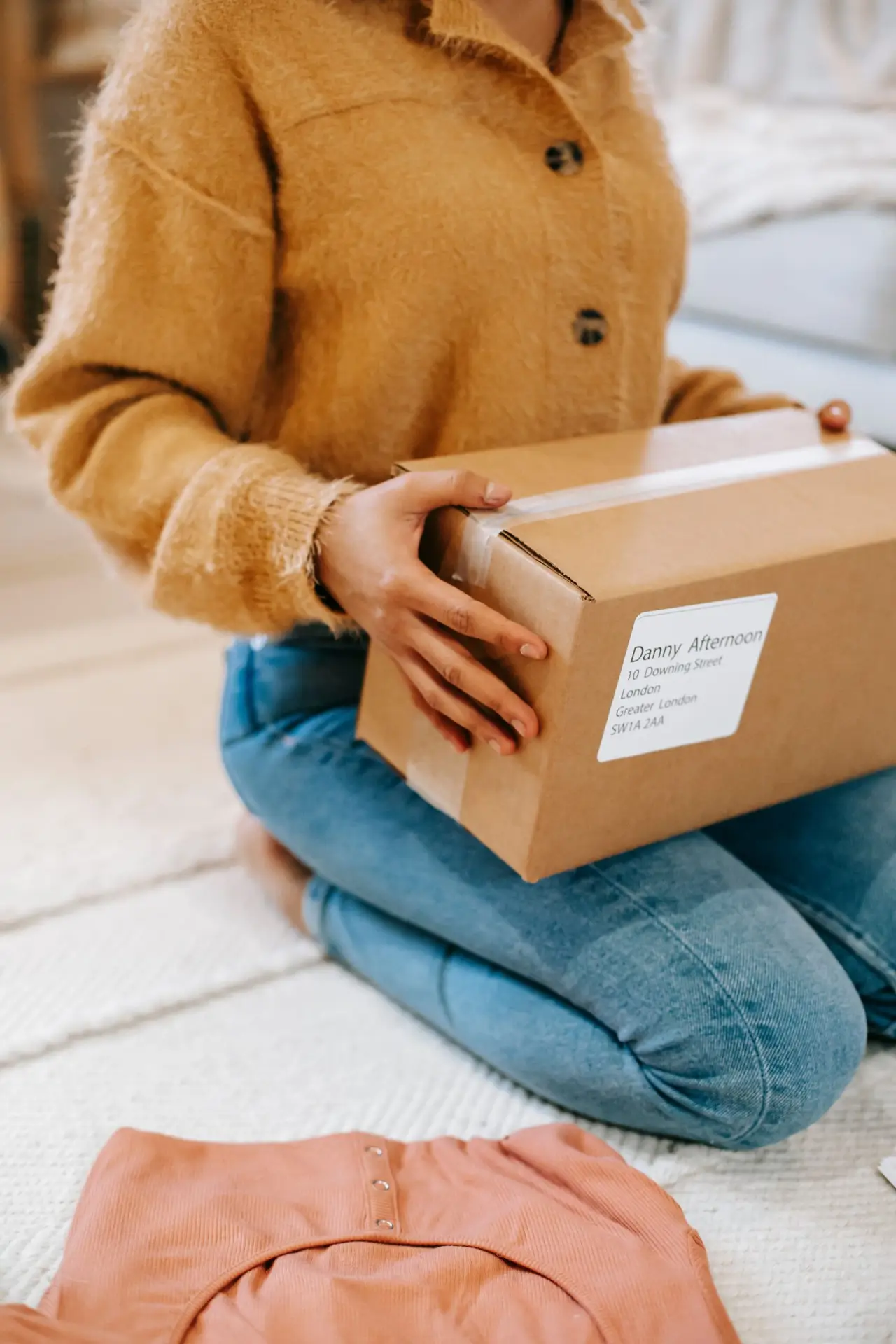
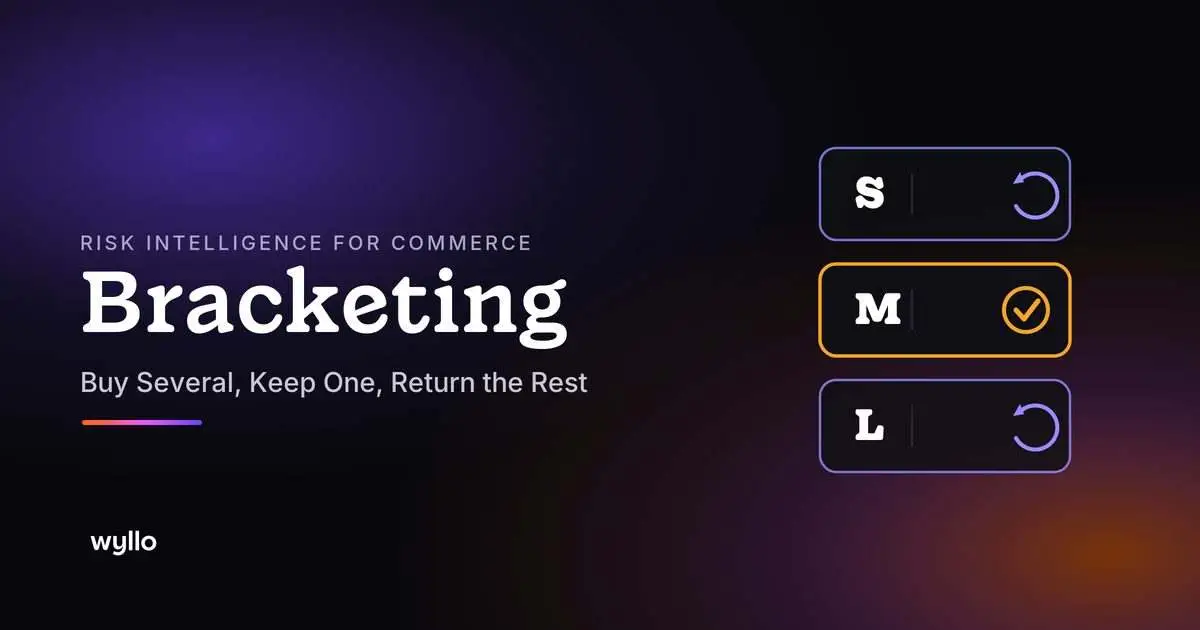
Bracketing is the most mainstream behavior in returns and the most ambiguous. A shopper buys the same item in several sizes or colors, keeps one, and returns the rest. For the customer it’s a sensible way to handle buying without trying on. For the merchant it’s a return-rate and cost problem that has grown into a planning assumption, especially as the National Retail Federation reports that 51% of Gen Z consumers say they bracket. The goal here isn’t to stop a mostly legitimate behavior, it’s to reduce its cost and catch the abusive edge.
This is a management guide. For the definition and where bracketing sits among return behaviors, see Wyllo’s glossary entry on bracketing. For how bracketing fits among the early tells of a wider problem, see the seven warning signs of a return abuse problem.
Bracketing in One Sentence
Bracketing is ordering multiple variants of a product, usually sizes or colors, intending to keep one and return the rest. Unlike wardrobing or empty-box returns, it usually isn’t deceptive: the returns are real and the goods come back unused. The issue is volume and cost, not dishonesty, until it shades into borrowing inventory or pairs with wardrobing on the kept item.
How to Reduce Bracketing Returns
Reduce the Need to Bracket
The highest-leverage move is removing the reason shoppers hedge. Better size guides, fit tools, detailed measurements, rich imagery, and reviews help customers buy the right variant the first time, which cuts returns at the source rather than policing them after.
Separate Honest Bracketing from Abuse
Most bracketing is fine; some isn’t. Connect return behavior across orders so the ordinary fit-hedger is treated differently from the shopper borrowing inventory or pairing bracketing with wardrobing on the items they keep.
Right-Size Policy to Risk
Keep easy returns for trusted customers and apply proportionate friction, like restocking terms or inspection, only where behavior signals abuse. A blanket crackdown on bracketing punishes the majority shopping in good faith and dents conversion.
Use the Data
Bracketing patterns are a merchandising and demand-planning signal, not just a returns cost. Reading which variants get kept versus returned improves sizing, inventory, and product detail, which in turn lowers future bracketing.
Manage It, Don’t Ban It
Bracketing is a reminder that not every return problem is fraud. Treating honest hedging like abuse, with fees or shortened windows for everyone, costs more in conversion and loyalty than the returns cost in handling. The win is lowering the cost of legitimate bracketing while catching only the abusive edge, which depends on reading intent rather than reacting to a high return rate alone.
How to Reduce Bracketing: How Wyllo Helps
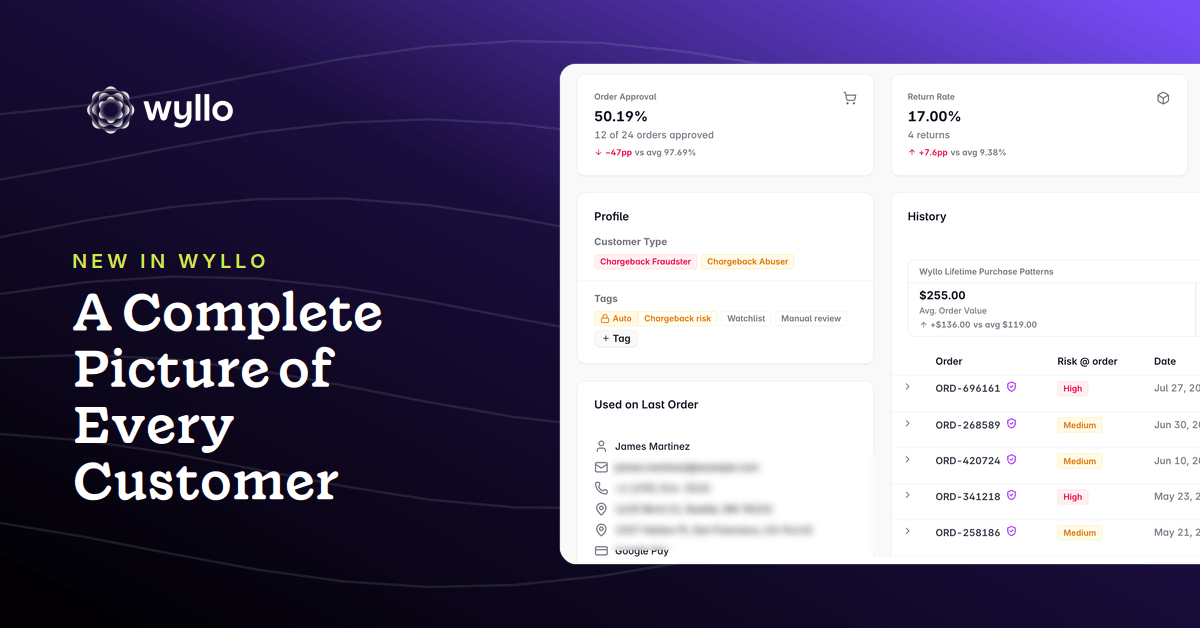
Wyllo is the risk intelligence platform for commerce. Bracketing is where intent matters most, because most of it is honest and a blunt response would punish good customers. Risk highlights heavy return behavior; intent separates the fit-hedging shopper from the one working the policy.
- Wyllo Return Fraud and Abuse Prevention scores returns against identity, order history, and return patterns, so you can tell ordinary bracketing from abuse and right-size policy to risk rather than to everyone.
- Wyllo Claim and Policy Abuse Prevention catches the cases where bracketing is paired with wardrobing or refund abuse.
Clarity over chaos.
Frequently Asked Questions
How do you reduce bracketing returns?
Reduce the need to bracket with better fit tools and product detail, separate honest bracketing from abuse by reading return behavior across orders, right-size return policy to risk, and use bracketing data to improve sizing and demand planning. The goal is to manage cost, not ban a mostly legitimate behavior.
Is bracketing fraud?
Usually not. The returns are real and the goods come back unused, so bracketing is typically honest behavior. It becomes a problem because of volume and cost, and shades into abuse only when used to borrow inventory or paired with wardrobing on the kept items.
Should I charge a fee to stop bracketing?
A blanket fee penalizes the honest majority and can hurt conversion, since bracketing is mostly a response to fit uncertainty. It’s better to lower the need to bracket and reserve fees or friction for behavior that signals abuse rather than applying them to all returns.
Why is bracketing increasing?
Free returns, fast shipping, and genuine fit uncertainty all encourage it, and it has become culturally normal. The NRF reports 51% of Gen Z consumers say they bracket, making it a baseline expectation in many apparel and footwear categories.
How to Reduce Bracketing: Bringing It Together
Bracketing is proof that not every return problem is fraud. Most of it is honest customers solving the real problem of buying without trying on, and the right response is to lower its cost and catch only the abusive edge, not to crack down on everyone hedging their size. That balance depends on reading intent across return behavior rather than reacting to a high return rate alone.
Curious how separating honest bracketing from abuse would change your returns economics? Start with Wyllo Return Fraud and Abuse Prevention, or explore the Wyllo platform for connected intelligence across the full customer journey.