A diagnostic for CX, ops, and risk leaders: the early symptoms of return abuse that show up in adjacent metrics long before they show up in the returns dashboard.
Return abuse is the abuse of a merchant’s return and refund policies by customers acting in bad faith: wardrobing, false damage claims, empty box returns, serial refund seeking. It is distinct from a high return rate, which can be perfectly healthy. And it rarely announces itself. By the time “return abuse” appears in a quarterly business review, the behavior has usually been compounding for several quarters in metrics nobody was reading as a fraud signal.
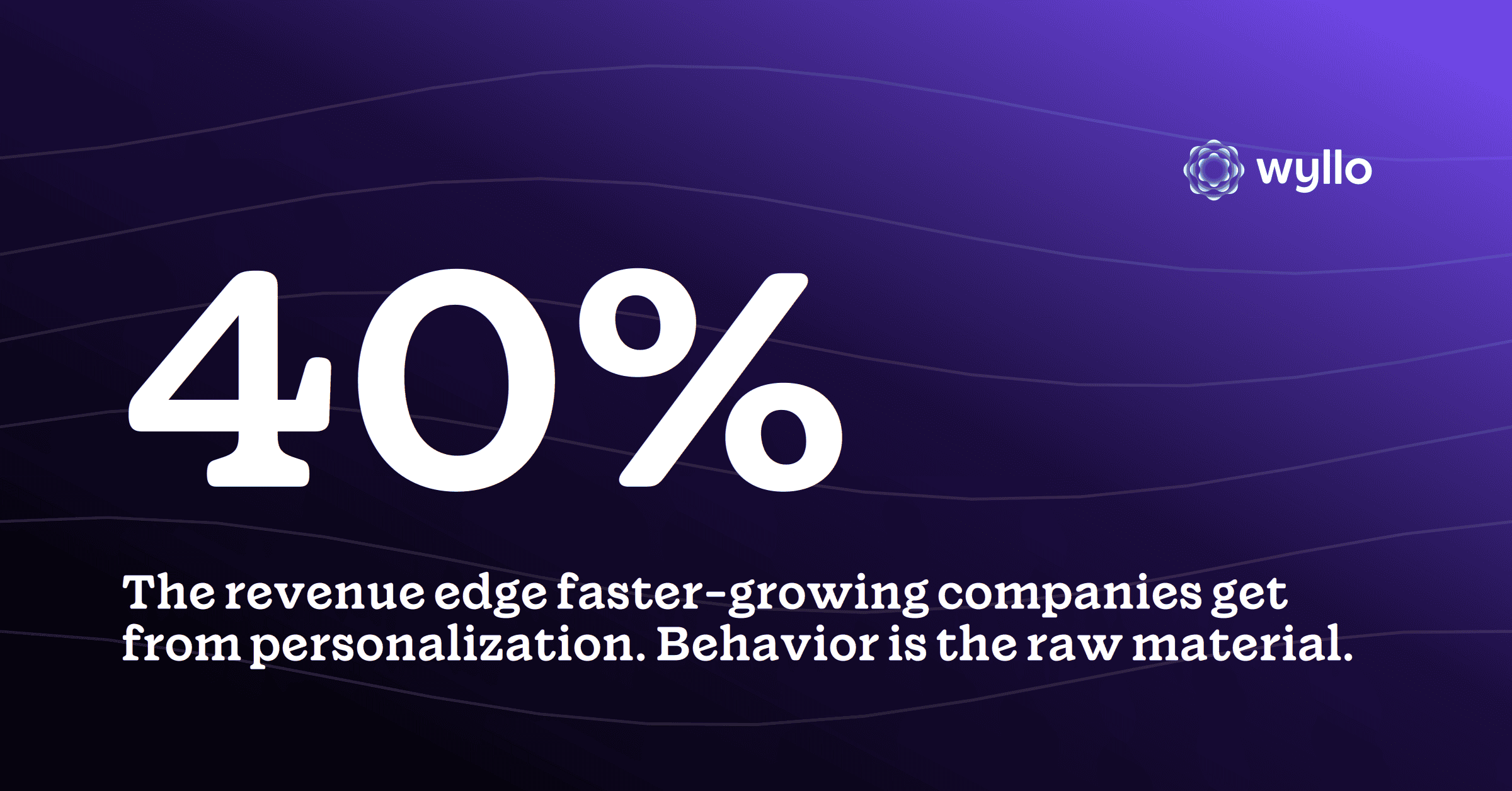
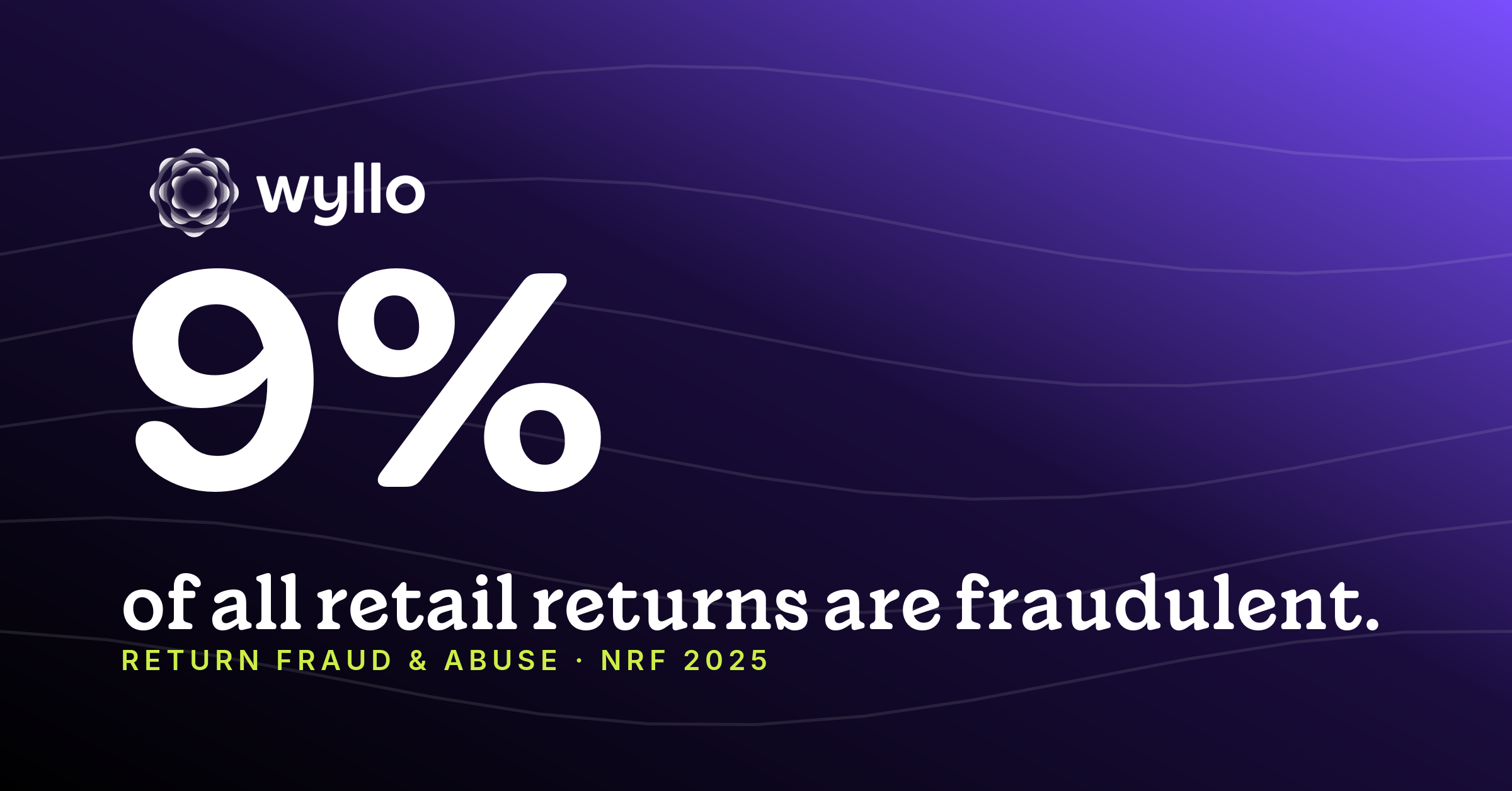
The scale explains the urgency. The National Retail Federation projects US retail returns at nearly $850 billion for 2025, and finds that 9% of all returns are fraudulent, in its 2025 Retail Returns Landscape report. Meanwhile, refund and policy abuse has overtaken payment fraud as the top threat merchants name, the first time that has happened in the Merchant Risk Council’s 2026 Global Payments and Fraud Report. The problem is not that merchants lack data. It is that the early symptoms live in places the returns dashboard does not look.
Here are the seven symptoms worth checking this summer, while return volume is inflated by swim, apparel, and event season and before peak-season volume makes everything harder to read.
Why Return Abuse Hides in Plain Sight
Most merchants measure returns by SKU, reason code, and rate. Abuse hides comfortably inside all three. A wardrobed dress and an honest size miss produce the same reason code. A false damage claim and a real carrier mishap look identical in the returns summary. The behavior only becomes visible when you segment by customer and by intent: who is returning, how often, under what pattern, and at what cumulative cost.
That is the common thread across every symptom below. Each one is a place where abusive intent leaks into a metric that looks operational rather than adversarial.
1. Return rates look normal, but resale recovery is falling
Wardrobing, buying an item, using it, and returning it as new, is invisible in the return rate. The damage appears one step downstream: items marked “unworn” that cannot go back on the shelf at full price. If your resale recovery rate on returned inventory is sliding while your return rate holds steady, the composition of your returns has changed even though the volume has not.
What to check: recovery rate by category, and the share of returns downgraded at inspection versus accepted as new. Apparel, swim, occasionwear, and event-adjacent categories deserve the closest look in summer.
2. Damage and “item not received” claims are outpacing order growth
Some damage claims are real. But when “damaged on arrival” and “item not received” claims grow faster than order volume, and especially when they arrive without photos or from customers who never contacted support first, you are likely watching manufactured claims. NRF’s retailer survey found sharp increases in overstated return quantities (reported by 71% of retailers), empty box returns (65%), and counterfeit or decoy item returns (64%).
What to check: claim rate per thousand orders, trended monthly, split by whether the claim included evidence and whether the customer had any prior support contact.
3. Chargebacks are replacing refund requests
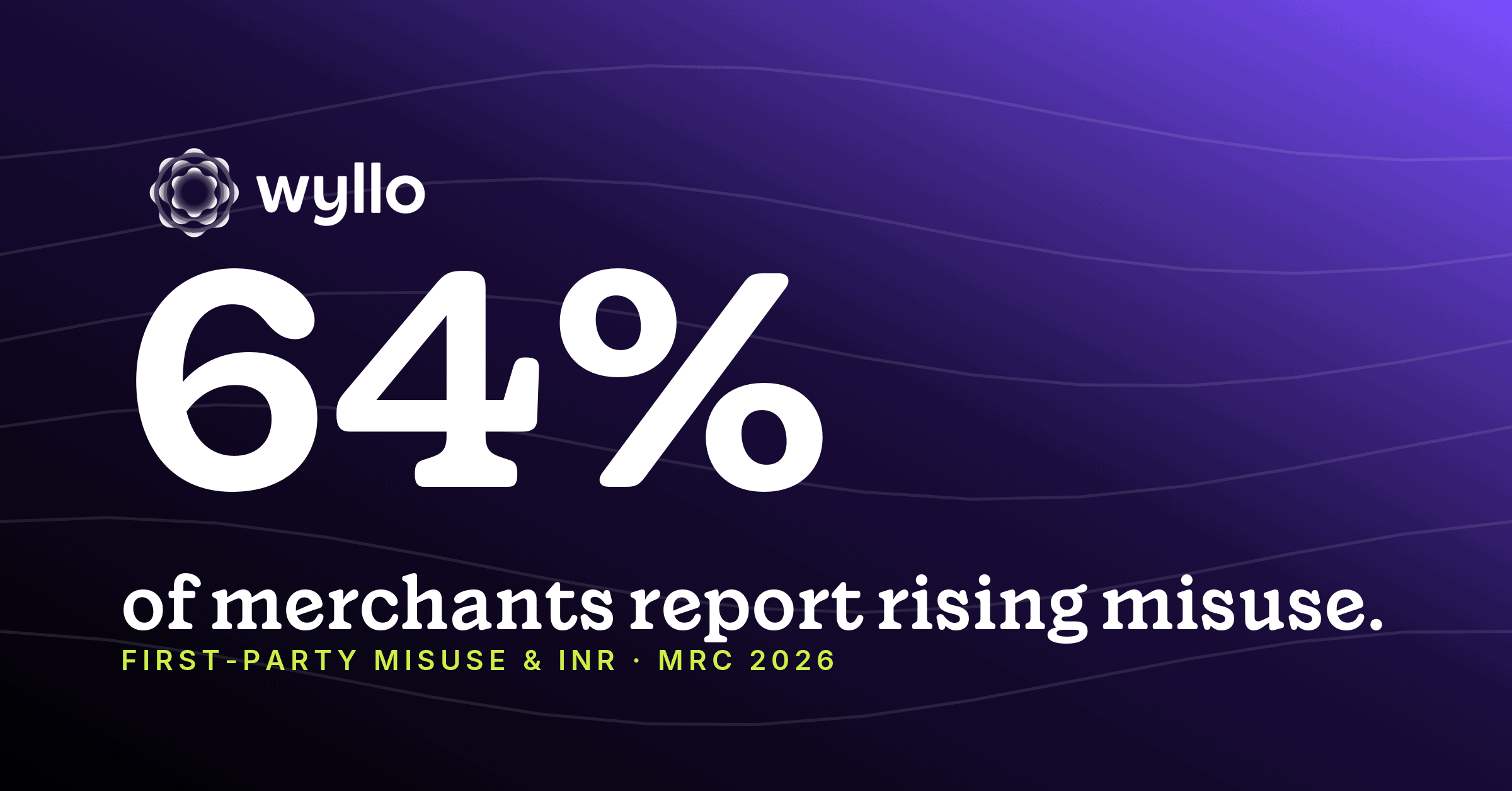
A dispute that arrives with no prior support ticket is a tell. Customers acting in good faith usually try the merchant first; customers gaming the system increasingly go straight to the bank, the classic friendly fraud pattern. The MRC report finds 64% of merchants seeing a meaningful rise in first-party misuse, with consumers “learning to game the system” as the most cited driver. If your dispute volume is growing while refund requests are flat or falling, the mix shift is the signal.
What to check: the share of chargebacks with no preceding support interaction, and win rates on those disputes. Both trend badly before topline chargeback rate does.
4. A small cohort of customers drives an outsized share of refund dollars
Segment refund dollars by customer instead of by SKU and a tail of repeat claimants almost always appears. Some of them look like your best customers by revenue, which is exactly why they survive: nobody wants to challenge a “VIP.” Net of returns, claims, and appeasements, a portion of that cohort is costing more than they spend.
What to check: refund concentration (what share of refund dollars comes from your top 1% of refunders) and customer-level net contribution after returns. The question is not whether someone returns a lot. It is whether their pattern reads as fit-finding or as farming.
5. Bracketing is quietly inflating summer volume
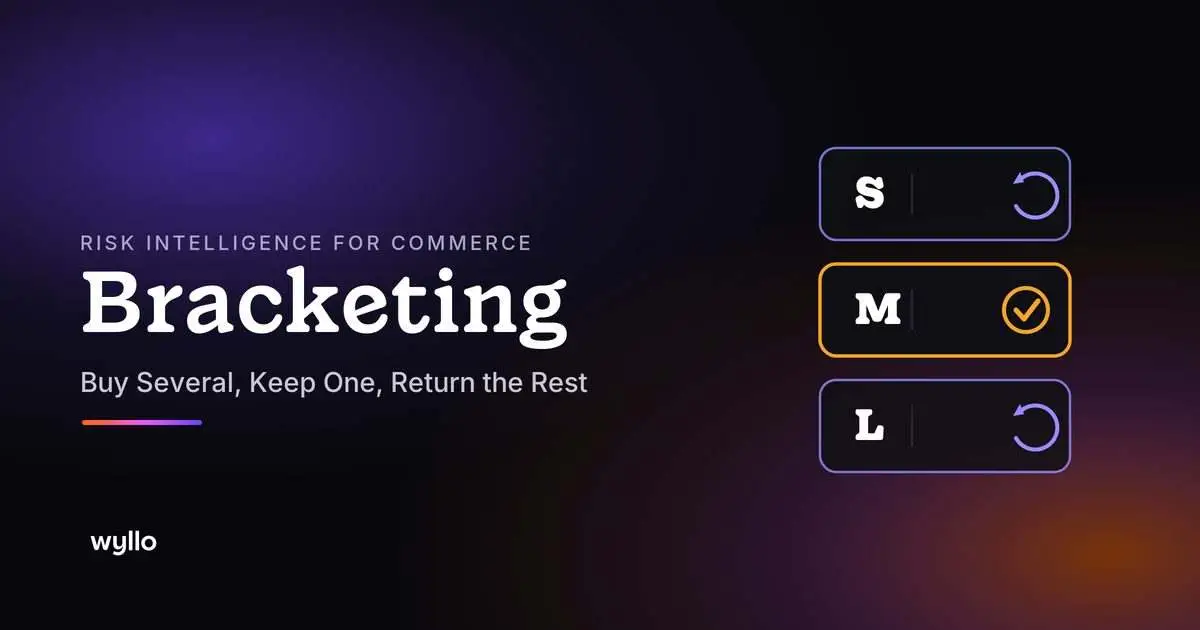
Bracketing, ordering multiple sizes or colorways with the intent to return most of them, has become normal shopping behavior. NRF finds 45% of shoppers consider it acceptable to bend the rules on returns, and bracketing sits at the soft end of that spectrum. It is not fraud, but it degrades the same economics: reverse logistics load, inspection cost, inventory stuck in transit during your highest-velocity season.
What to check: multi-size and multi-colorway orders of the same item as a share of apparel orders, and the return rate on those orders specifically. Summer is when this spikes; it is also when you can measure it cleanly before the holiday wave.
6. Refund without return and appeasement credits are drifting up
“Keep it” refunds and goodwill credits are rational tools: sometimes the return shipping costs more than the item. But abusers actively probe for merchants who refund without requiring the item back, and a CS team measured on handle time will quietly expand the practice. If appeasement spend per ticket is drifting up, that policy edge has probably been found and is being farmed.
What to check: refund-without-return volume and appeasement credits per ticket, trended by agent and by customer. Repeat beneficiaries of “keep it” refunds are one of the cleanest abuse cohorts you can identify.
7. New accounts behave like return veterans
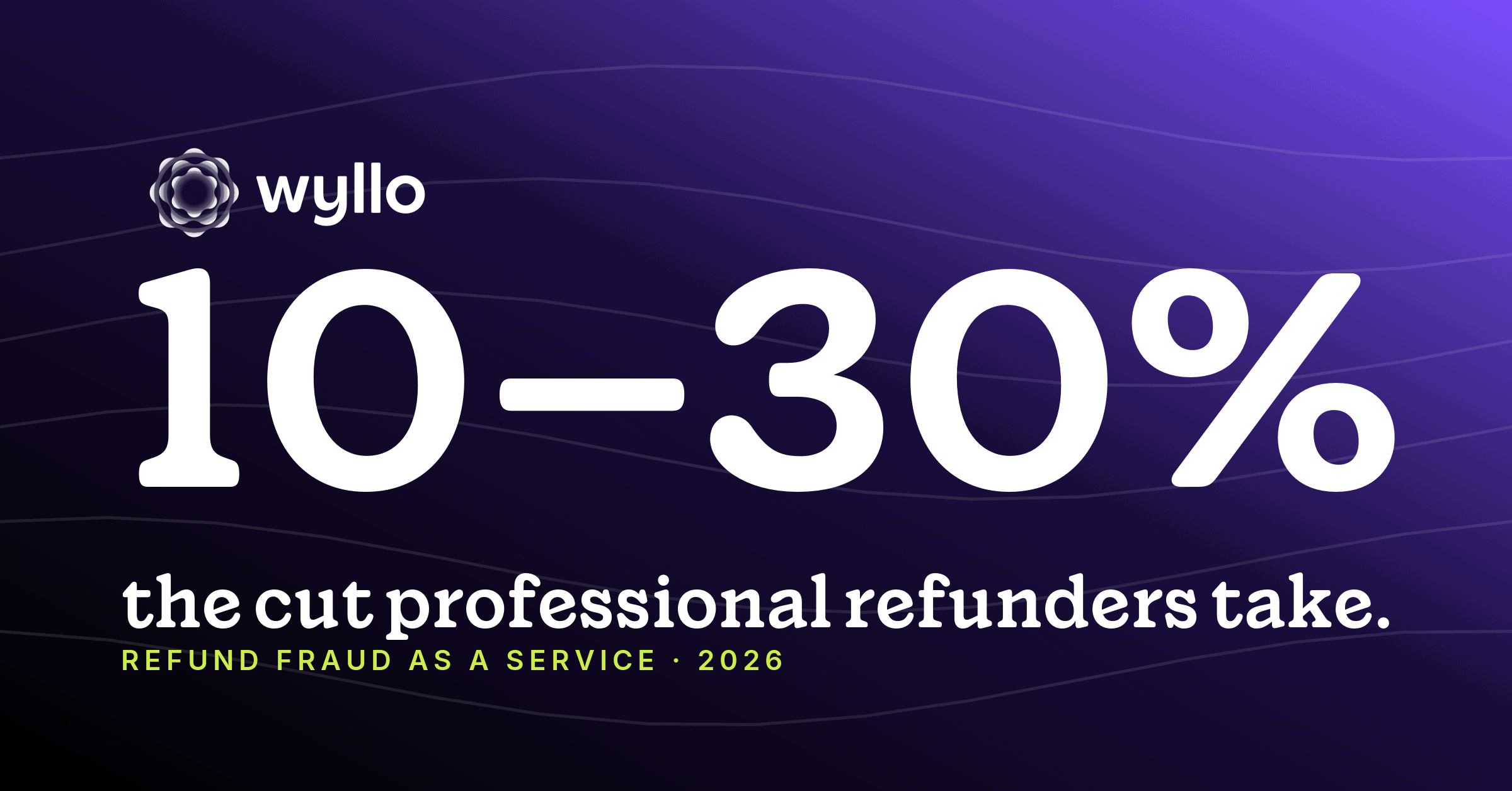
A brand new account that immediately places a high-value order and returns it, addresses reused across supposedly unrelated customers, or return activity clustering hard against your policy edges (returns filed on day 29 of a 30-day window, claims sized just under your evidence threshold) points to organized refund abuse rather than opportunistic behavior, and some of it is service-assisted: professional “refunders” who file claims on shoppers’ behalf for a cut.
What to check: return and claim behavior in the first 60 days of account life, identity signals shared across accounts, and the distribution of return filings across your policy window. A healthy distribution is roughly even; an abused one clusters at the edge.
How Wyllo Helps
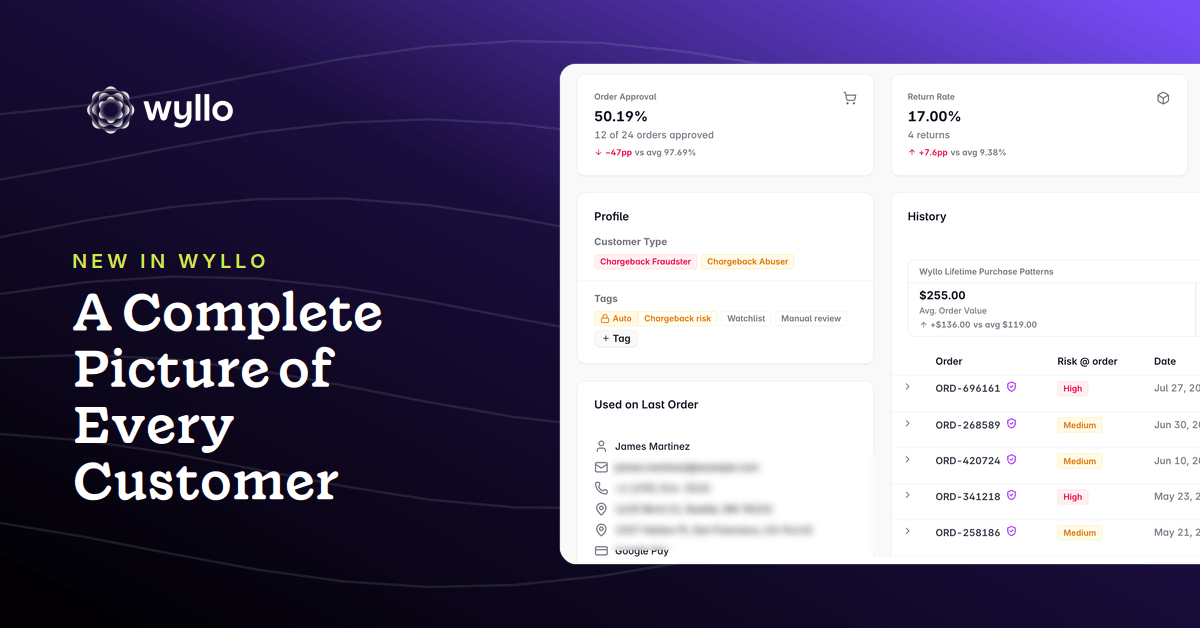
The common failure mode behind all seven symptoms is decisioning on the event instead of the customer. A return, a claim, a dispute each look fine in isolation. Intent lives in the pattern. Wyllo, the risk intelligence platform for commerce, applies Intent-Aware Decisioning across the post-purchase journey so the pattern is what gets decisioned, not the single event:
- Wyllo Return Fraud and Abuse Prevention identifies wardrobing, serial returners, and empty box and INR claims, and supports risk-based return policies so trusted customers keep the easy path.
- Wyllo Claim and Policy Abuse Prevention catches policy exploitation and friendly fraud patterns before they become chargebacks.
- Wyllo Chargeback Management handles the disputes that do arrive, from dispute response through representment.
- Wyllo CX Support puts risk scores and next-best actions inside the tools agents already use, so an appeasement decision is an informed one.
Precision over paranoia: the goal is not tighter policies for everyone, it is the right policy for each customer.
Frequently Asked Questions
What is return abuse?
Return abuse is the exploitation of a merchant’s return and refund policies by customers acting in bad faith. Common forms include wardrobing (using an item and returning it as new), false damage or “item not received” claims, empty box returns, and serial refund seeking. It sits between honest returns and organized return fraud, and often blends elements of both.
How is return abuse different from return fraud?
Return fraud generally involves deception with clear illegitimacy, such as returning counterfeit or decoy items or claiming a delivered package never arrived. Return abuse covers a wider spectrum, including behavior that exploits generous policies without an outright false statement, like habitual wardrobing or farming “keep it” refunds. Merchants increasingly manage them together because the detection signals overlap.
How common is return fraud?
The National Retail Federation’s 2025 Retail Returns Landscape found that 9% of all US retail returns are fraudulent, against a total returns volume approaching $850 billion. Retailers also reported year-over-year increases in overstated quantities, empty box returns, and counterfeit item returns.
What is wardrobing?
Wardrobing is buying an item with the intent to use it and return it, such as wearing a dress to an event and sending it back as unworn. It is hard to catch through reason codes because the return looks routine; it surfaces in falling resale recovery rates and in repeat patterns at the customer level. For the full playbook, see how to stop wardrobing.
What is bracketing in ecommerce returns?
Bracketing is ordering multiple sizes or variants of the same item planning to return most of them. It is widely considered acceptable by shoppers and is not fraud, but at scale it strains reverse logistics and margins, and it can mask more deliberate abuse inside inflated return volume. For reduction tactics, see how to reduce bracketing returns.
How can merchants detect return abuse early?
Watch adjacent metrics rather than the return rate alone: resale recovery rates, claim rates relative to order growth, disputes with no prior support contact, refund concentration by customer, appeasement spend per ticket, and return timing clustered at policy edges. The unifying move is segmenting returns by customer intent instead of by reason code.
Bringing It Together
None of these seven symptoms proves abuse on its own. That is precisely why they work as an early warning system: each one is cheap to measure, sits in data you already have, and degrades quietly for quarters before the topline numbers force the conversation. Merchants who read them early get to respond with judgment, tightening the path for the few while keeping it easy for the many. Merchants who wait usually respond with blanket policy changes that tax every good customer for the behavior of a small cohort.
The industry is moving the same direction the MRC data points: refund and policy abuse is now the top-named threat, and the answer the market is converging on is customer-level intelligence rather than stricter rules. If you want to see what your own return data looks like through an intent lens, Wyllo Return Fraud and Abuse Prevention is the place to start, and the Wyllo platform shows how the same intelligence extends across payments, claims, and chargebacks.