Last updated August 18, 2026 with customer risk profile framing and Wyllo’s new Customer Profile. A spoke in Wyllo’s return abuse series: how repeat returners hide inside good customer segments, and how to respond to serial returners without taxing everyone else.
Serial returners are customers whose buying is organized around returning: they purchase with the expectation that most of it goes back, or they farm refunds, credits, and “keep it” appeasements as a habit. A single high-return customer is not the problem; plenty of loyal shoppers return often for honest reasons. The problem is the repeat pattern where returns, claims, and appeasements add up to a customer who costs more than they spend.
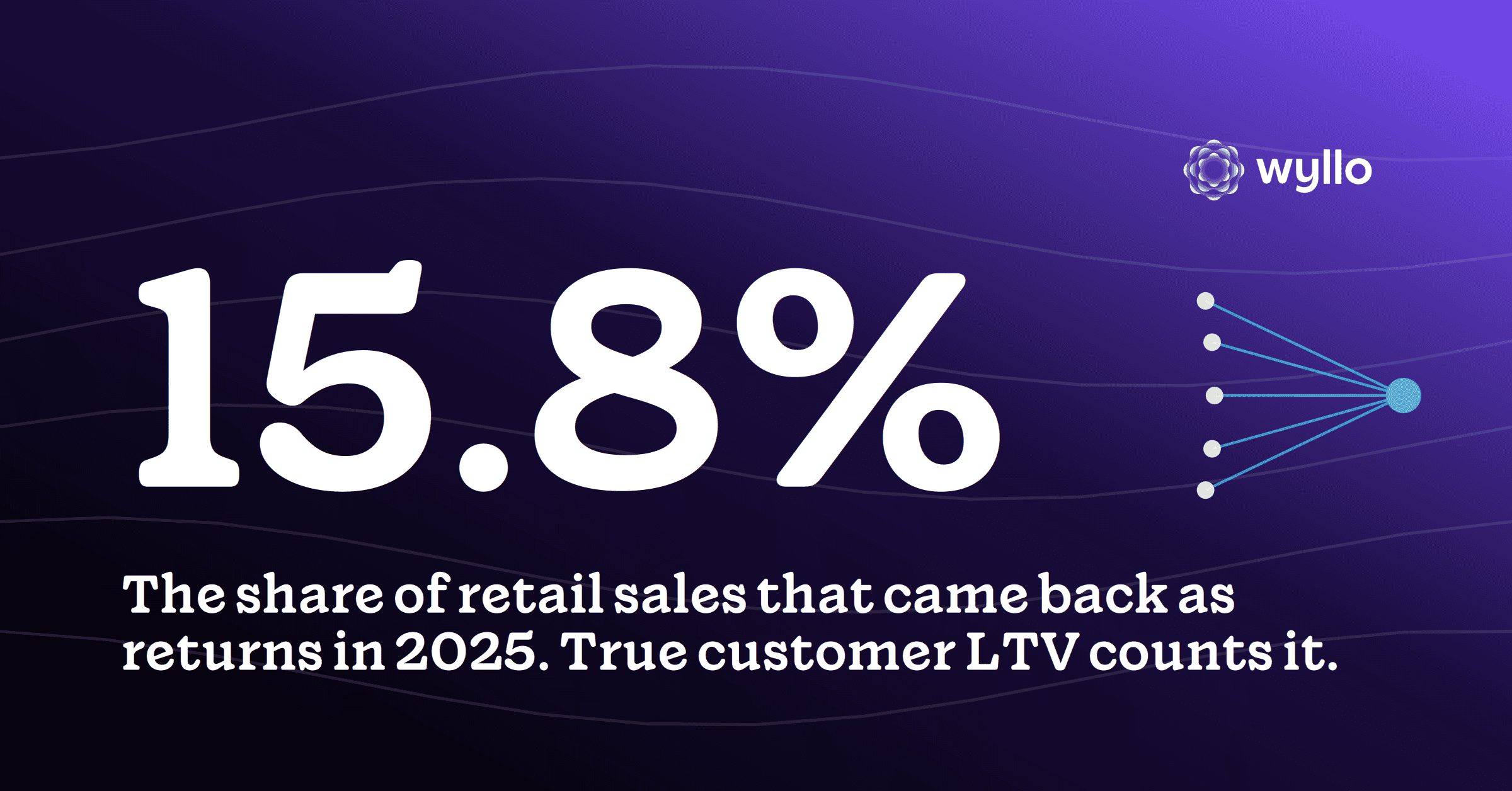
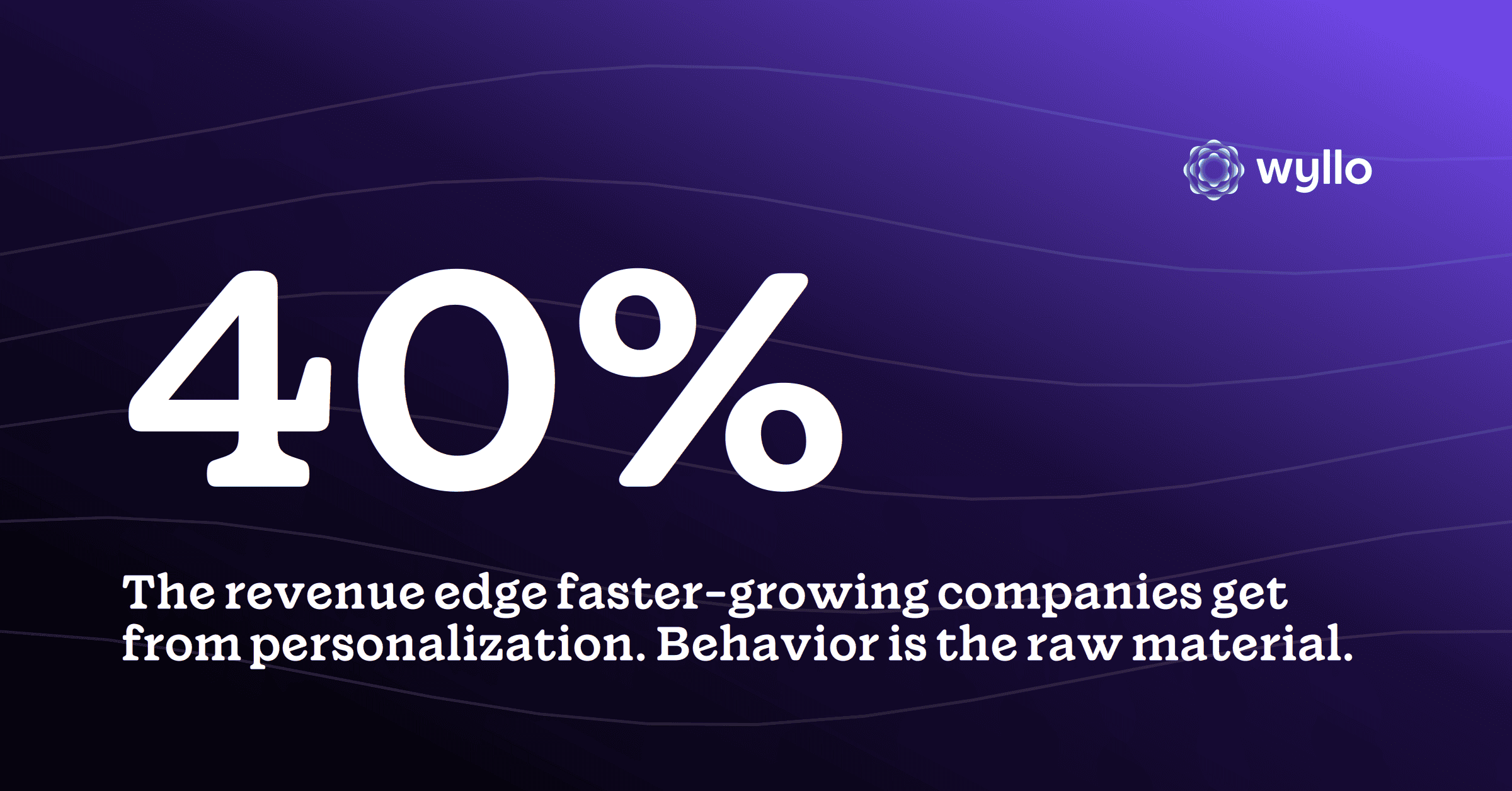
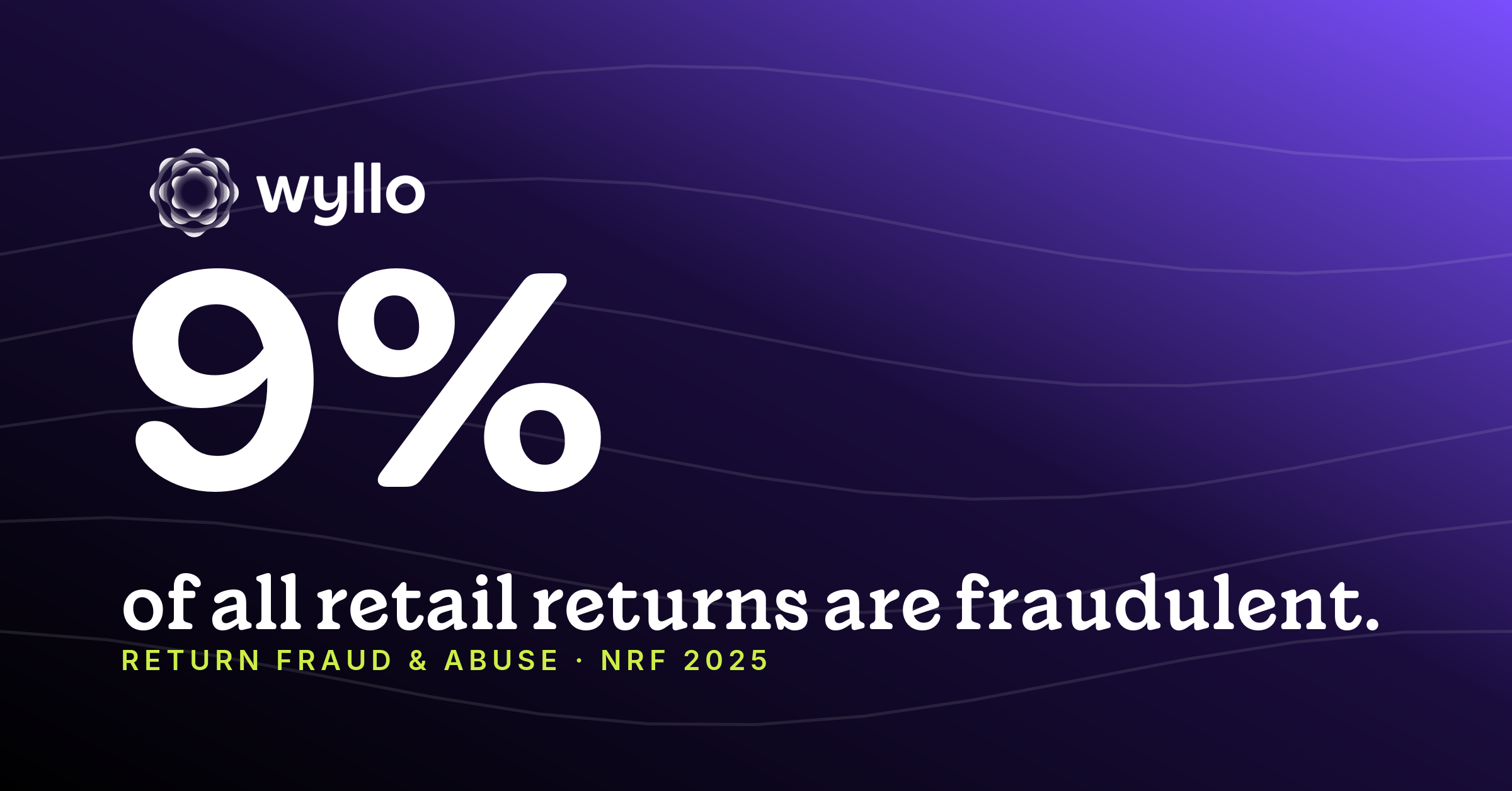
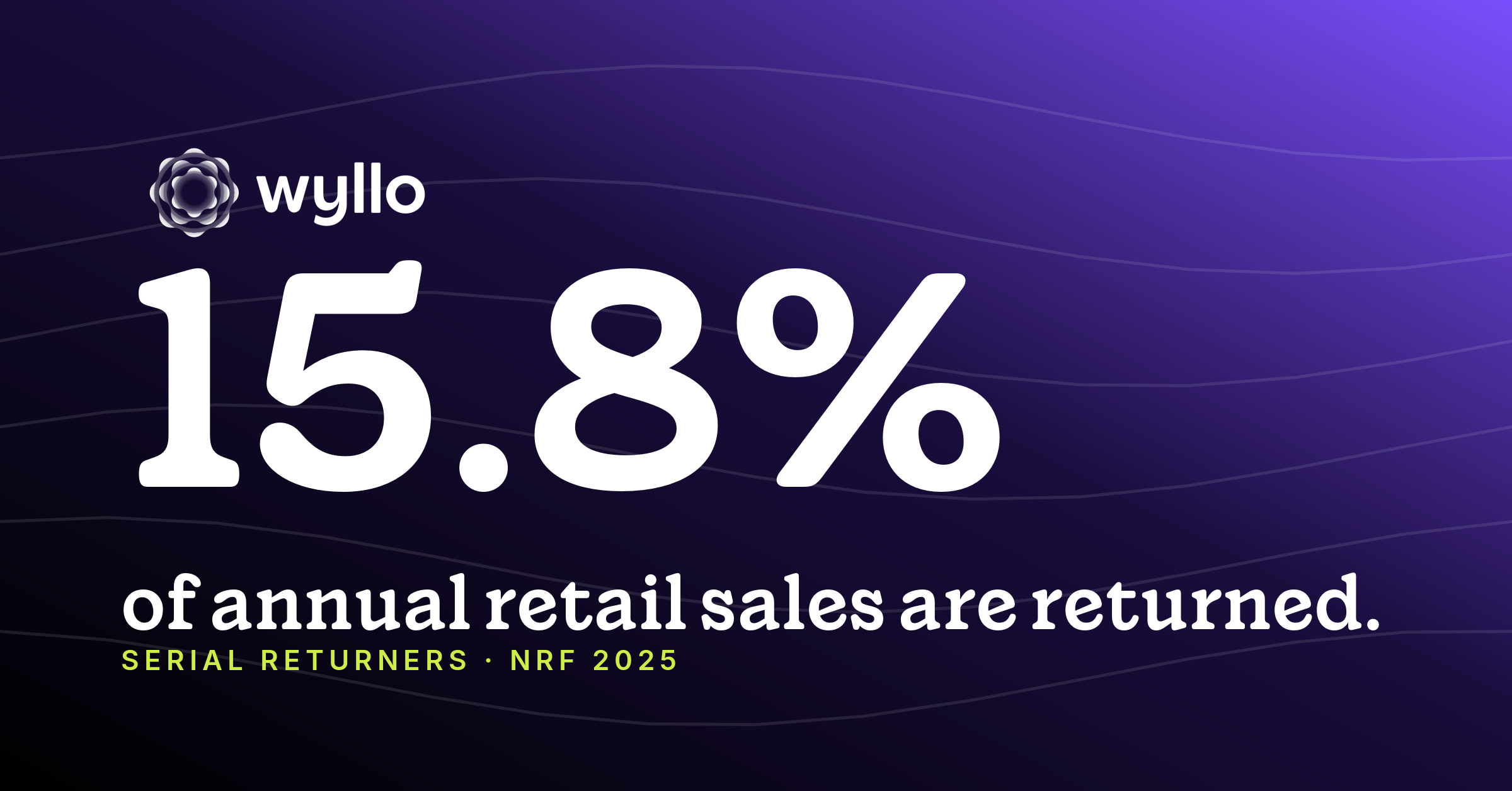
The math behind the concern is simple. Retailers expect 15.8% of annual sales to come back as returns, nearly $850 billion in 2025, and 9% of those returns are fraudulent, per the NRF’s 2025 Retail Returns Landscape. When that volume concentrates in a small cohort, the cohort matters more than the rate. Repeat claimant behavior is one of the seven warning signs of a return abuse problem, and it is usually the one merchants find last, because the culprits often look like VIPs.
What Is a Serial Returner?
A serial returner is a customer whose return and refund behavior forms a sustained pattern rather than an occasional event: a return rate far above their category norm, refund requests on a large share of orders, repeat “damaged” or “not as described” claims, or a habit of collecting goodwill credits. The defining trait is the pattern across the relationship, not any single return. One returned dress is a fit problem. The same customer returning most of what they buy, quarter after quarter, is a business model.
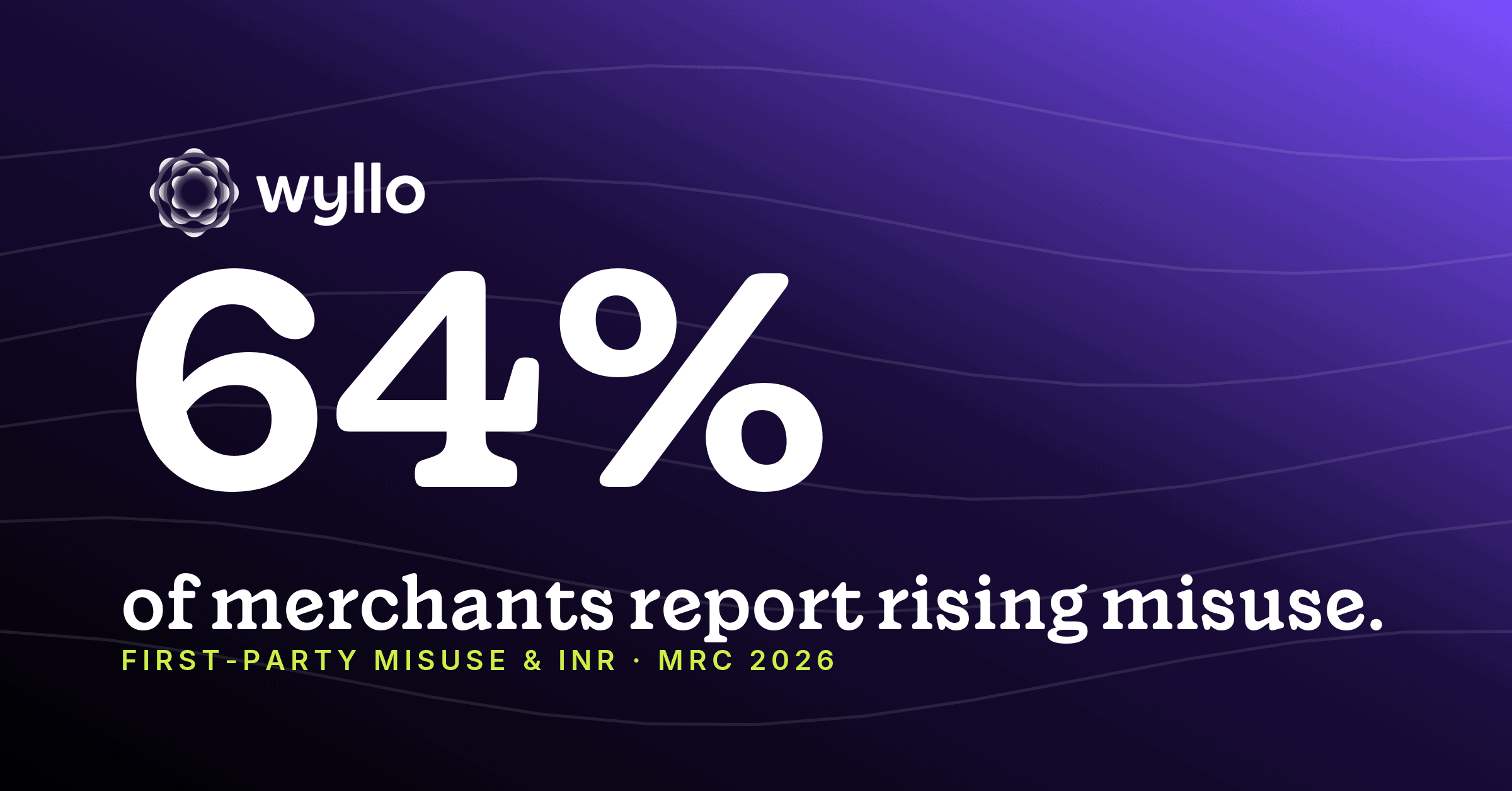
Not all of it is abuse. Some heavy returners are honest bracketers or genuinely unlucky with fit, and the MRC’s 2026 Global Payments and Fraud Report finds 64% of merchants seeing a meaningful rise in first-party misuse, driven most often by consumers learning to game the system. The job is telling those two populations apart, which is a question of intent.
Why Serial Returners Are Hard to See
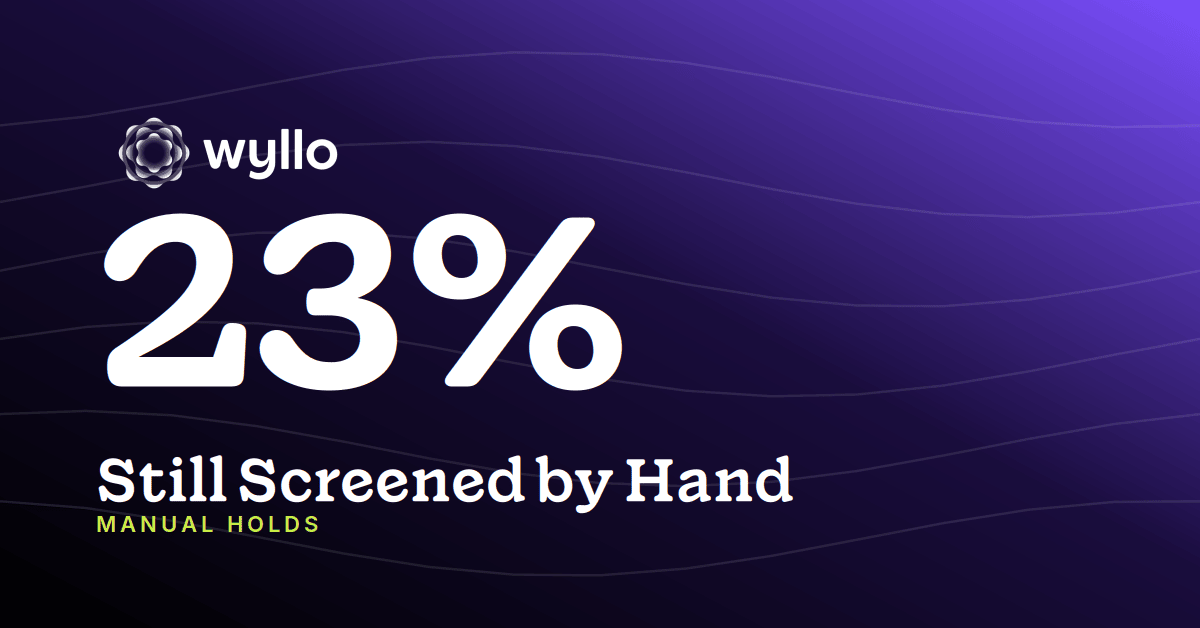
Three things hide them. First, most returns dashboards aggregate by SKU and reason code, so a customer-level pattern never surfaces. Second, revenue flatters them: a shopper who buys $8,000 a year and refunds $6,500 of it looks like a top customer in every report that ignores returns. Nobody wants to challenge a “VIP,” which is exactly why the pattern survives. Third, determined abusers split the behavior across accounts, the same move serial wardrobers use to stay under the radar, so each identity looks ordinary on its own.
The tell is concentration. Segment refund dollars by customer and a tail of repeat claimants almost always appears; measure customer-level net contribution after returns, claims, and appeasements, and part of that tail goes negative.
One Page for the Whole Pattern
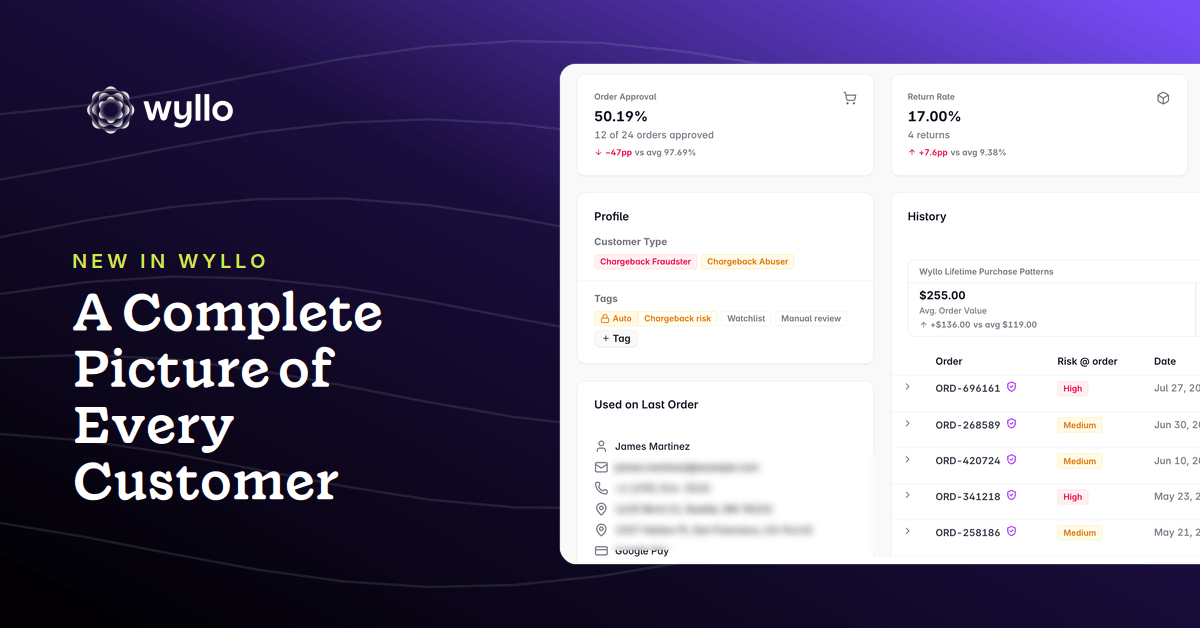
Everything above points at the same structural fix: stop judging returns one event at a time and start reading the customer. That reading has a name, a customer risk profile: one record that connects a customer’s orders, approval history, returns, refund requests, claims, chargebacks, and support activity, so the pattern is visible before the next decision instead of after the quarter closes.
For serial returners specifically, the profile answers the questions a returns dashboard can’t. Is this return the customer’s second or their fourteenth? How much of their spend has come back? How many refunds have they collected without shipping anything? Is that “VIP” positive or negative after everything is netted out? With those answers on one page, the fourth “damaged” claim stops looking like anyone’s first, and the honest heavy returner stops getting treated like the industrious one.
The Appeasement Edge: Where “Keep It” Refunds Get Farmed
The fastest-growing serial returner playbook does not involve shipping anything back. Refund-without-return policies and goodwill credits are rational tools, since return shipping sometimes costs more than the item. But abusers actively probe for merchants that refund without requiring the item, and a support team measured on handle time will quietly expand the practice one ticket at a time.
Watch appeasement spend per ticket, trended by agent and by customer, and the volume of refunds issued with no return required. Repeat beneficiaries of “keep it” refunds are one of the cleanest abuse cohorts a merchant can identify, because the behavior has no honest high-frequency explanation.
How to Respond Without Punishing Good Customers
The tempting response is a blanket one: shorter windows, restocking fees, stricter proof requirements for everyone. That taxes the honest majority for the behavior of a small cohort and hands the customer experience advantage to competitors. The proportionate response is customer-level:
- Measure net contribution after returns, claims, and appeasements, and let that, not gross revenue, define your best customers.
- Right-size policy to risk: trusted customers keep the easy path, while shoppers whose pattern signals farming get verification, return-required refunds, or tighter terms.
- Put the pattern in front of agents at the moment of decision, so an appeasement is an informed choice rather than a reflex.
- Track the policy edges, since abuse clusters where the policy is most generous: day-29 returns in a 30-day window, claims sized just under evidence thresholds, credits requested near expiry.
How Wyllo Helps
Serial returners are the clearest case for decisioning on the customer instead of the event. Every individual return looks defensible; the relationship does not. Wyllo, the risk intelligence platform for commerce, applies Intent-Aware Decisioning across the post-purchase journey so the pattern is what gets evaluated:
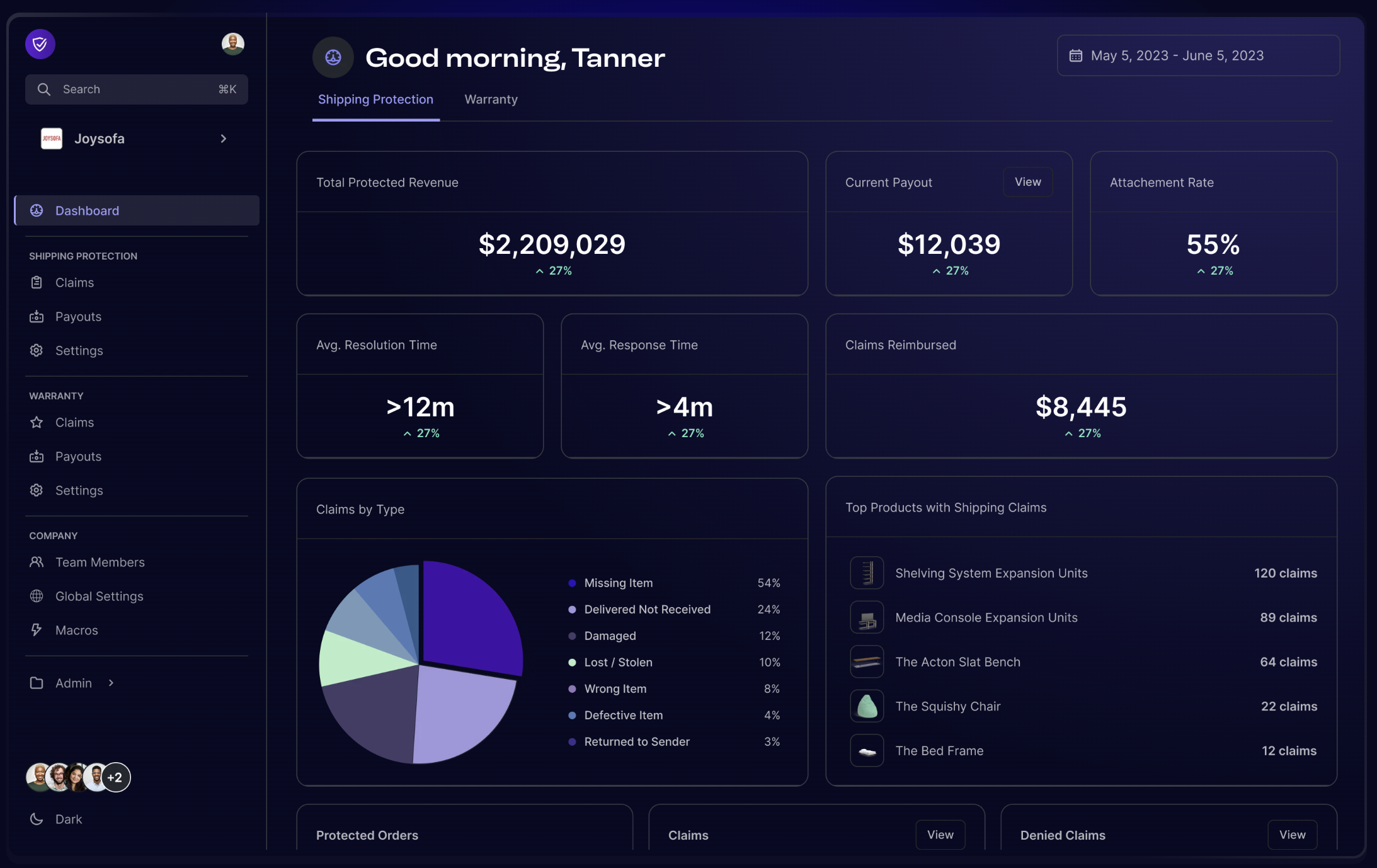
- Customer Profile puts each customer’s spend, return rate, refund history, chargebacks, and order-by-order decisions on a single page, with automatic tags for high return rate and repeat claimer behavior, so the serial pattern surfaces on its own.
- Wyllo Return Fraud and Abuse Prevention identifies serial returners and wardrobing patterns across identity, order history, and return behavior, and supports risk-based return policies.
- Wyllo Claim and Policy Abuse Prevention connects repeat refund seeking to the wider policy abuse a customer may be running.
- Wyllo CX Support puts risk scores and next-best actions inside the tools agents already use, so “keep it” refunds go to the customers who earn them.
Judgment over rules: the goal is the right policy for each customer, not a harder policy for all of them.
Frequently Asked Questions
What is a serial returner?
A serial returner is a customer whose returns, refund requests, and appeasement claims form a sustained pattern across their order history, often returning a majority of what they buy or repeatedly collecting refunds without returns. The signal is the pattern and its cumulative cost, not any single return.
Are serial returners committing fraud?
Sometimes. The population spans honest heavy returners (frequent bracketers, hard-to-fit shoppers) through policy abusers (appeasement farmers, habitual wardrobers) to outright fraud like repeat false claims. That range is why the right response is customer-level judgment rather than a blanket policy change.
How do merchants identify serial returners?
Segment refund dollars by customer rather than by SKU, measure net contribution after returns and appeasements, watch refund-without-return frequency per customer, and connect activity across linked accounts. Concentration is the tell: a small tail of customers driving an outsized share of refund cost.
How does a customer risk profile help with serial returners?
A customer risk profile collects a customer’s orders, returns, refunds, claims, and support activity in one record, so the repeat pattern is visible at the moment of decision. Instead of judging each return in isolation, agents and analysts see the return rate, the refund-without-return count, and the net contribution behind it.
Should merchants ban serial returners?
Rarely as a first move. Most heavy returners respond to proportionate friction: return-required refunds, verification on claims, or adjusted terms for the specific pattern. Reserve hard action for connected, deliberate abuse, and keep the easy path intact for the customers who earn it.
Bringing It Together
Serial returners are what return abuse looks like when it wears a loyalty badge. The behavior survives because merchants measure revenue without measuring what it costs to keep, and because every individual event clears the bar. Reading the relationship changes that: net contribution finds the cohort, intent separates the unlucky from the industrious, and policy can finally match the customer in front of it.
For the full early-warning picture, start with the seven warning signs of a return abuse problem, and see how Wyllo Return Fraud and Abuse Prevention reads return intent at the customer level.