A spoke about item not received fraud in Wyllo’s return abuse series: what to do when “it never arrived” is a claim rather than a fact.
Item not received fraud is the false claim that a delivered order never arrived, made to collect a refund, a replacement, or a chargeback while keeping the goods. It is one of the hardest abuse types to challenge, because some INR claims are real: carriers lose packages, porches get pilfered, and a merchant who treats every claimant as a suspect will burn good customers to catch bad ones. The work is telling the two apart.
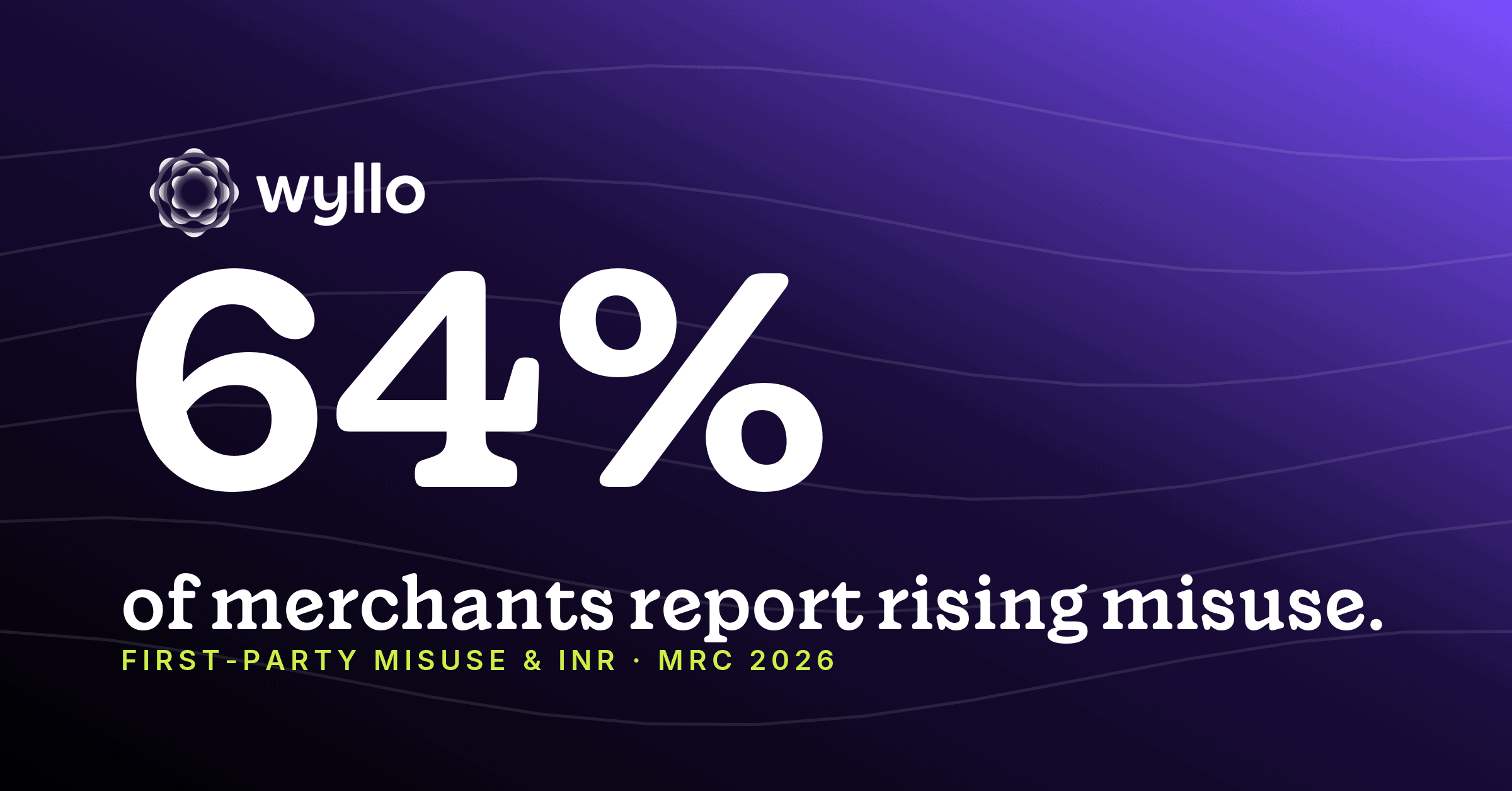
The trend line is not in merchants’ favor. The Merchant Risk Council’s 2026 Global Payments and Fraud Report finds refund and policy abuse now the top threat merchants name, with 64% seeing a meaningful rise in first-party misuse, and Mastercard reports first-party fraud is a substantial and rising share of all chargebacks. Claims outpacing order growth is one of the seven warning signs of a return abuse problem, and INR is where that symptom usually shows first.
What Is Item Not Received Fraud?
An INR claim asserts that a paid order was never delivered. It becomes fraud when the customer received the goods and claims otherwise. The claim arrives through one of two channels, and the channel changes how you fight it. Through the merchant, it is a support ticket asking for a refund or reshipment. Through the bank, it is an INR chargeback under reason codes like Visa 13.1 or Mastercard’s product not received code. The difference between merchant-channel and bank-channel abuse matters: one is resolved by your policy, the other by card network evidence rules.
What makes INR attractive to abusers is asymmetry. The claim costs the customer one message; disproving it requires tracking data, delivery evidence, and a dispute process. When merchants pay every claim to protect the experience, the behavior gets learned, shared, and repeated.
Telling Real Claims from Manufactured Ones
A real INR claim and a false one look identical in isolation. The separating signals live in the pattern:
- Tracking status. Valid tracking showing delivered to the correct address does not close the question, but a claim against a confirmed delivery deserves more scrutiny than one against a package lost in transit.
- Claim history. A first INR claim from a five-year customer reads differently than a third claim in six months from a new account.
- Support behavior. Manufactured claims tend to skip evidence, arrive without prior contact, and escalate quickly to demands for refunds without return.
- Timing and clustering. False claims cluster around high-value items, policy edges, and peak shipping windows when carriers are stressed and merchants are lenient.
- Cross-account signals. Addresses and devices reused across supposedly unrelated claimants point to organized activity rather than unlucky delivery.
None of these alone is a verdict. Together, read at the customer level, they separate the shopper whose package was stolen from the one running a playbook.
How to Respond Without Burning Good Customers
Evidence discipline beats blanket suspicion. Capture proof of delivery on every shipment, require signature confirmation on high-value orders, and keep delivery evidence tied to the order record so it is available the day a dispute arrives. Resolve honest claims fast and generously; the cost of a replacement is smaller than the lifetime value of a customer treated fairly after a genuine loss. Reserve friction, verification requests, signature requirements, or refund-after-investigation terms, for claims whose pattern earns it. And fight the chargebacks worth fighting: an INR dispute against confirmed delivery with matching address evidence is winnable, and every win teaches repeat abusers that your storefront is a hard target.
How Wyllo Helps Item Not Received Fraud
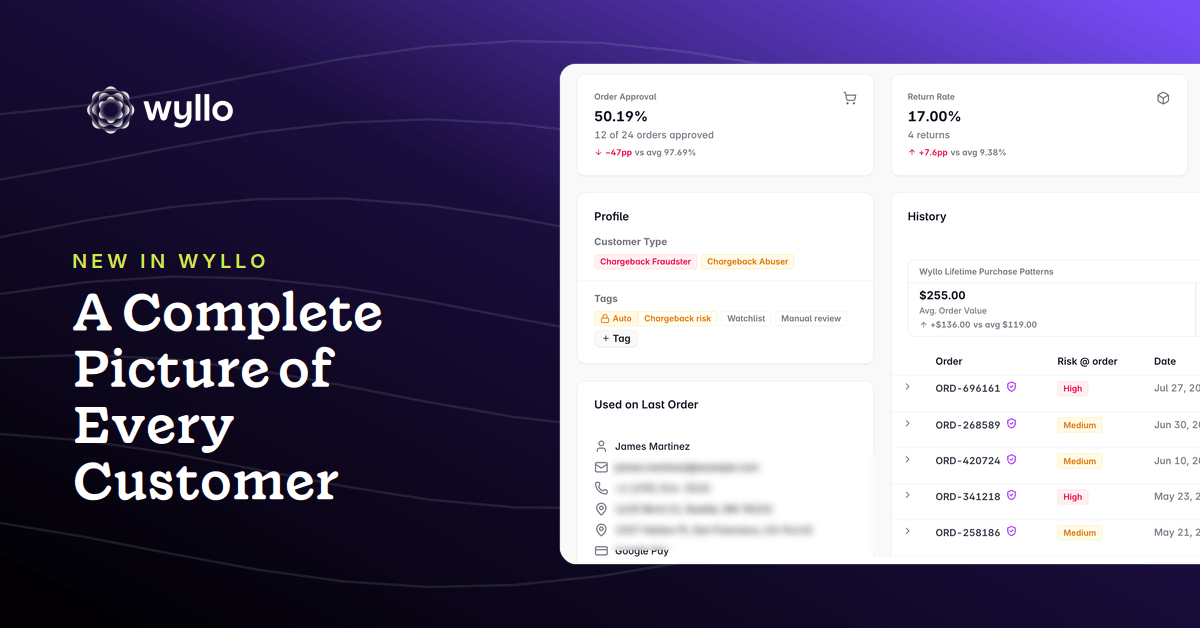
INR is a pattern problem wearing an incident costume, which is exactly the case for Intent-Aware Decisioning. Wyllo, the risk intelligence platform for commerce, reads the claim against the customer relationship rather than in isolation:
- Wyllo Return Fraud and Abuse Prevention identifies repeat INR and empty box claim patterns across identity, order history, and behavior.
- Wyllo Chargeback Management handles INR disputes that reach the bank, from response through representment. For eligible merchants, Wyllo INR Protection reimburses qualifying item not received chargebacks on Pass-decision orders with valid proof of delivery and takes over the dispute response.
- Wyllo CX Support puts the customer’s claim history and risk signals in front of agents at the moment they decide whether to refund, reship, or verify.
Precision over paranoia: pay the real claims fast, and make the manufactured ones expensive.
Frequently Asked Questions
What is an item not received claim?
An item not received (INR) claim asserts that a paid order was never delivered. It can arrive as a support request to the merchant or as a chargeback through the customer’s bank under reason codes such as Visa 13.1. Some INR claims reflect real carrier loss or theft; item not received fraud is the subset where the customer received the goods and claims otherwise.
Is item not received fraud the same as friendly fraud?
INR chargebacks are a common form of friendly fraud, since the cardholder disputes a legitimate charge. But INR abuse also runs through the merchant channel as false support claims, which never touch the bank. Managing both requires reading the claimant’s pattern, not just the individual claim.
What evidence wins an INR chargeback?
Proof of delivery is the core: tracking showing delivered status to the address on the order, with signature confirmation for high-value shipments. Supporting evidence includes the shipping label, customer correspondence, and delivery timestamps. Evidence tied to the order record from day one wins more disputes than evidence reconstructed after the chargeback arrives.
How does Wyllo INR Protection work?
For enrolled merchants, Wyllo INR Protection applies to eligible item not received chargebacks on orders Wyllo passed, where valid tracking shows the merchandise as delivered. Wyllo reimburses the order amount and takes over responding to the case. Details and eligibility are in the Wyllo Help Center.
Bringing It Together
Item not received fraud thrives on the gap between what a claim costs to make and what it costs to challenge. Merchants close that gap with evidence discipline on every shipment and judgment at the customer level: fast, generous resolution for the shopper whose package really vanished, and a firm, well-documented response for the pattern that keeps claiming it did. That is the same intent lens that runs through the full return abuse early warning system, and Wyllo Return Fraud and Abuse Prevention is where it starts.