Why uniform return, claim, and verification policies cost more than they appear to, and what risk-based policies look like in practice.
Risk-based policies in ecommerce are rules that flex with a customer’s demonstrated behavior: the return window, the verification step, the claim handling, and the refund speed adjust to the relationship instead of applying identically to everyone. The alternative, the one-size-fits-all policy, is how most merchants still operate. One return window, one refund procedure, one claim process, one checkout treatment, applied to the eight-year loyalist and the serial abuser alike.
Uniform policies feel fair, and they are certainly simple. They are also a pricing error. A single policy has to be priced for the average customer, which means it overcharges the trustworthy in friction and undercharges the abusive in access. Both errors cost real money, and both are invisible on any dashboard that reports policy performance in aggregate.
The Uniform Policy Trap
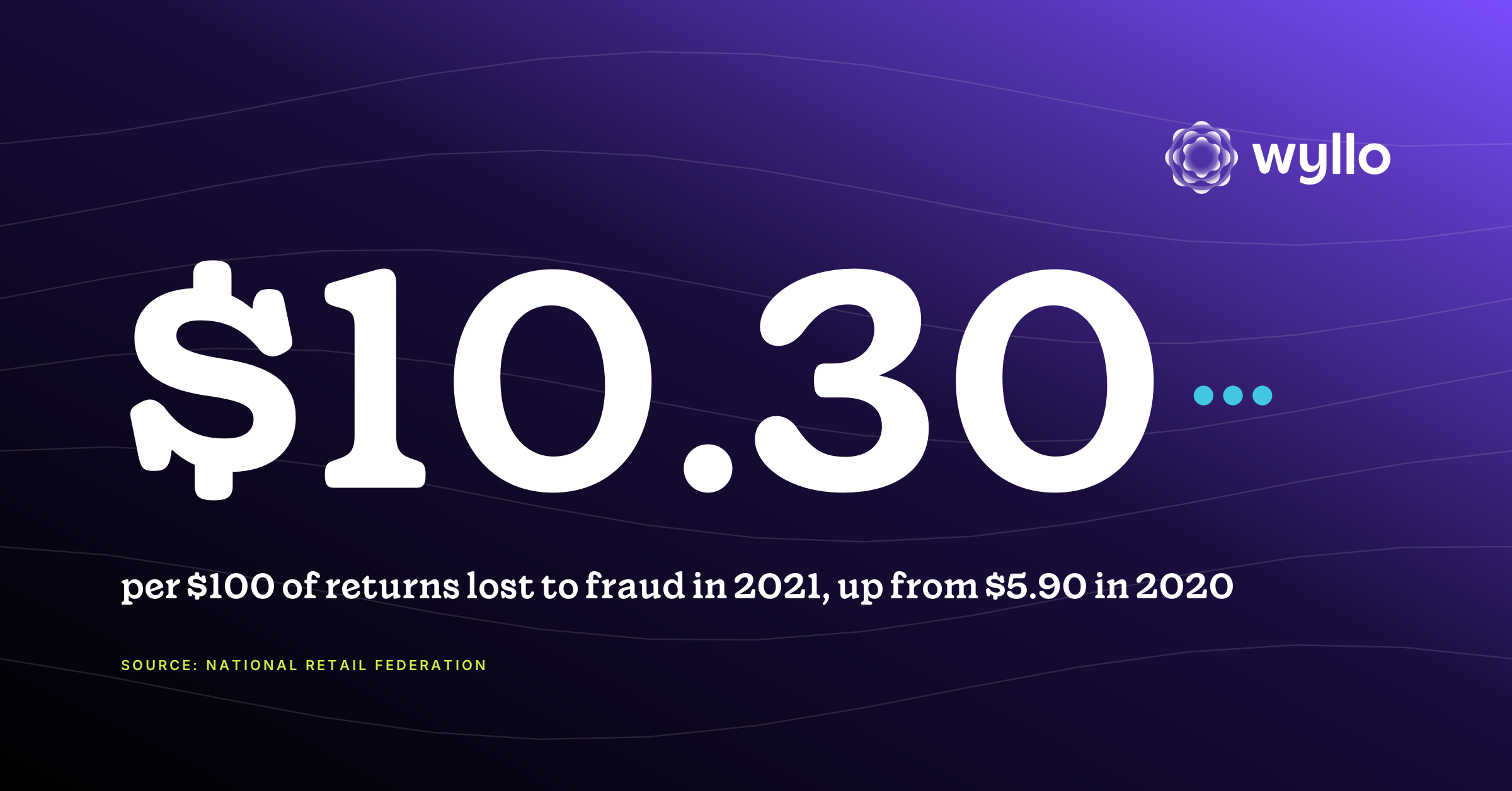
The trap has a predictable shape. A merchant launches with a generous, uniform policy because trust converts: easy returns, instant refunds, no questions asked. Then the policy gets discovered. The National Retail Federation finds nearly two-thirds of consumers admit to costly return practices like wardrobing and bracketing, and 45% consider it acceptable to bend the truth when returning. A generous uniform policy is an open invitation to exactly that minority, priced as if they were the majority.
So the merchant overcorrects. The return window shrinks, the restocking fee appears, refunds wait for inspection, verification lands on every order. Abuse drops, and so does everything else: conversion, repeat purchase, and the loyalty the generous policy was built to earn. The cost of the tightening lands on the customers who never abused anything, which is the same unfairness as before, pointed the other way.
Merchants can cycle between these poles for years, because a uniform policy offers only one dial. Loosen it and abuse grows. Tighten it and good customers pay. The dial is the problem.
The Manual Workarounds Everyone Builds
Most teams already know the dial is the problem, which is why the workarounds exist. An agent keeps a mental list of customers who get the benefit of the doubt. Someone tags accounts in a spreadsheet after the third suspicious claim. An engineer hardcodes a rule for one abuser cluster after a bad month. Support quietly escalates “VIPs” for faster refunds based on a list marketing exported last quarter.
These are risk-based policies in embryo, and they prove the instinct is right. They also share the same failure modes: they live in individuals rather than systems, they are inconsistent across shifts and channels, nobody measures them, and they evaporate when the person who maintained them leaves. Tribal knowledge is a policy engine with no uptime guarantee.
What Risk-Based Policies Look Like
The mature version keeps the instinct and fixes the mechanics. A few principles separate a working risk-based policy from an ad-hoc one:
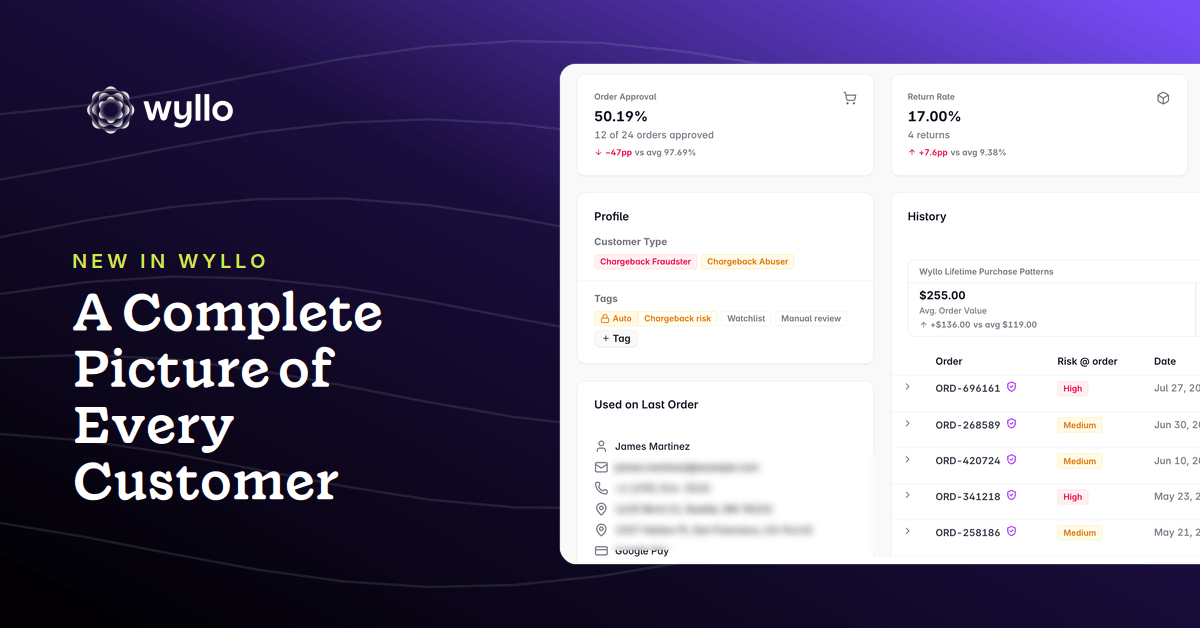
- Priced on the relationship, not the transaction. A single order says almost nothing about intent. A return history, a claim pattern, and a dispute record say a great deal, which is why the foundation is a customer risk profile rather than an order-level rule.
- Differentiated in both directions. The point is not to punish anyone. Profitable, low-risk customers earn faster refunds and less verification than the uniform policy gave them. Concentrated abuse patterns, like the ones behind serial returners and wardrobing, earn friction the honest majority never sees.
- Provisional for the unknown. New customers get a middle treatment while the relationship earns data, not the loyalist’s terms and not the suspect’s.
- Written down and owned. A policy that lives in an agent’s memory is a lottery. The tiers, the thresholds, and the treatments belong in a document with an owner, so treatment is consistent across every agent and channel.
- Measured like a decision. Every differentiated treatment is a hypothesis: this tier of customers, given this treatment, will behave this way. Before and after numbers, not vibes, decide whether it stays.
Merchants running policies this way stop cycling between generous and strict, because they no longer have to choose one setting for everyone. The policy budget goes where the behavior says it should.
Where to Start Without Boiling the Ocean
The first risk-based policy does not need a platform migration. Pick the policy with the worst abuse concentration, usually returns or item-not-received claims. Define three tiers of customer using the history you already have: clean record, mixed record, and a documented abuse pattern like the ones behind bracketing that never converts. Assign one differentiated treatment per tier, write down what each tier should change, and review the numbers monthly.
The common surprise is the top tier. Merchants expect the value of risk-based policy to come from restricting abusers, and some does. The larger gain is usually the other direction: discovering how much friction the uniform policy was imposing on customers who had long since earned better.
How Wyllo Helps
Risk-based policies need behavior the merchant can see and trust. Wyllo, the risk intelligence platform for commerce, reads customer intent across the journey, which is what turns policy tiers from guesswork into evidence.
- Wyllo Return Fraud and Abuse Prevention applies risk-based return decisions, so honest returners keep their easy experience while abuse patterns get friction.
- Wyllo Claim and Policy Abuse Prevention scores claim and policy behavior across the relationship and links repeat actors who rotate identities.
- Wyllo Payment Fraud Protection brings the same relationship logic to checkout, so verification lands where the risk is instead of on everyone.
Judgment over rules. A policy should know who it is talking to.
Frequently Asked Questions
What is a risk-based policy in ecommerce?
A risk-based policy adjusts its terms to the customer’s demonstrated behavior. Return windows, refund speed, verification requirements, and claim handling flex with the relationship’s history instead of applying one uniform setting to every customer.
Are one-size-fits-all policies unfair?
They are uniform, which is not the same as fair. A single policy overtaxes trustworthy customers with friction designed for abusers and undercharges abusers with access designed for the trustworthy. Risk-based treatment matches the policy to the behavior in both directions.
Do stricter return policies stop return abuse?
Blanket tightening reduces abuse and honest purchases together, because it cannot tell the two apart. Abuse concentrates in a small share of customers, so policies that target the pattern outperform policies that tax the whole customer base.
How do you introduce risk-based policies without angering customers?
Most customers never notice, because their experience improves or stays the same. Start with one policy area, define tiers from actual history, keep the default generous, and reserve added friction for documented patterns. Measure repeat purchase alongside abuse to confirm the balance holds.
Bringing It Together
One-size-fits-all policies persist because they are easy to write and easy to defend. Their costs hide in places the policy dashboard never looks: conversion lost to friction that trustworthy customers never earned, margin lost to abuse the uniform terms invited, and the slow whiplash of loosening and tightening a single dial.
Risk-based policies replace the dial with a read of the relationship. Good customers get the experience the generous policy always promised, abuse gets priced honestly, and the merchant stops paying for the difference. Growth doesn’t come from playing defense; it comes from knowing exactly where defense is needed.
Curious what your policies would look like priced on behavior? Start with what goes into a customer risk profile, or explore the Wyllo platform for the connected view behind risk-based treatment.