Executive Summary
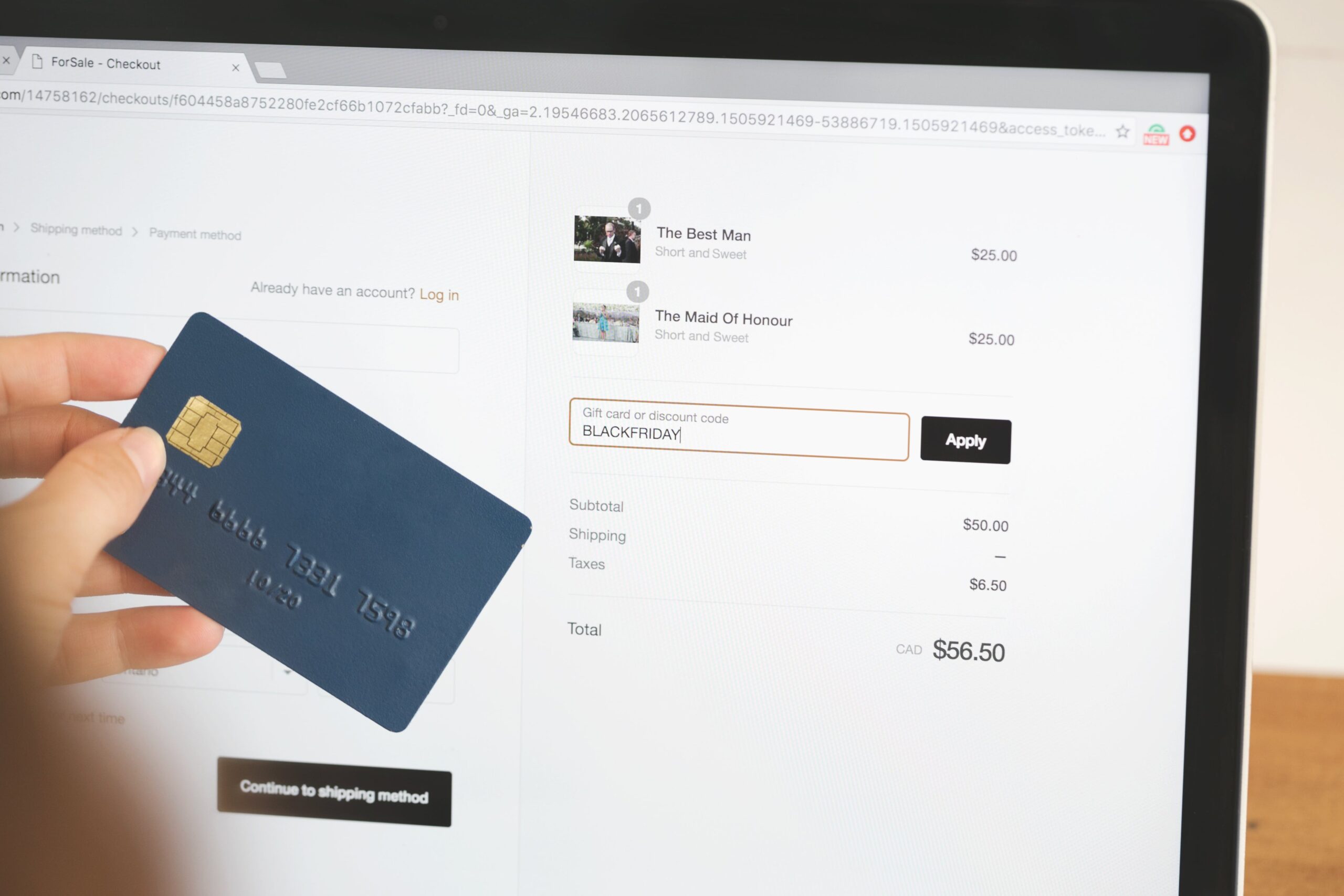
BNPL and credit cards are both “payments,” but BNPL fraud vs card fraud are not identical. They create different fraud incentives and operational failure modes. Card fraud tends to show up as issuer disputes and chargebacks. BNPL tends to show up as identity risk, abuse of trust, and post-purchase manipulation that creates merchant loss even when chargebacks are lower.
This guide compares the two, shows where losses shift, and explains how modern merchants reduce risk without sacrificing conversion.
Definitions
BNPL fraud refers to fraud and abuse targeting installment payments and BNPL underwriting flows, commonly through identity manipulation and post-purchase exploitation.
BNPL Fraud vs Card Fraud
Card fraud in ecommerce is most commonly card-not-present (CNP) fraud, where stolen credentials are used for unauthorized purchases.
How Losses Present
Card fraud
- Chargebacks and dispute fees
- Higher false decline pressure if controls are too strict
- Manual review cost increases if tooling is weak
BNPL fraud
- Identity-driven loss and repayment default patterns
- Refund and returns complexity
- Fulfillment-stage manipulation such as reroutes and INR claims
Why BNPL Can Become a “Path of Least Resistance”
When merchants auto-approve BNPL because they assume “no liability,” fraudsters test BNPL first to seed trust, then pivot to other payment methods or exploit post-purchase processes. This is why Wyllo recommends treating BNPL as a risk-aware workflow, not a trust exception.
A Unified Prevention Playbook
Controls that reduce both BNPL and card fraud
- Device and identity risk evaluation
- Velocity controls for high-risk events
- SKU-aware policies for high resale goods
- Post-purchase monitoring for repeat abuse
Controls especially important for BNPL
- Strong identity verification and anomaly detection for new accounts
- Re-screening after address changes or payment changes
- Tight refund and returns policy enforcement for risk profiles
Controls especially important for card fraud
- Network and issuer-aligned controls to reduce dispute exposure
- Decline optimization to reduce false positives
- Dispute evidence readiness and chargeback management fundamentals
Regulatory context merchants should track
BNPL regulation and consumer protections are evolving, which can change operational expectations for providers and merchants. For reference, see the CFPB’s BNPL research and related protections in CFPB research on BNPL use and protections and the UK FCA’s BNPL regulatory direction in FCA guidance on regulating BNPL.
Summary
Card fraud and BNPL fraud are not interchangeable. Merchants that treat them the same miss critical risk signals. Merchants that treat BNPL as “safe by default” get abused. The winning approach is unified: risk-based screening at checkout plus post-purchase intelligence that identifies repeat abuse patterns across payment methods.
For a modern approach to unified protection, talk to Wyllo about unifying your fraud and abuse prevention.