The most expensive seam in the ecommerce stack runs between the tools that judge risk and the tools that talk to customers. Here is what closing it changes.
Ecommerce tech stack integration usually gets argued about in marketing terms: sync the CRM to the email platform, pipe the analytics everywhere, keep the product catalog consistent. The seam that costs the most money gets far less attention. It runs between the risk stack, the tools that screen orders, score returns, and fight disputes, and the CX stack, the helpdesk and channels where humans actually talk to customers. When those two sides don’t share what they know, every conversation happens half-blind, and every risk decision misses the context a five-second look at the support thread would have supplied.
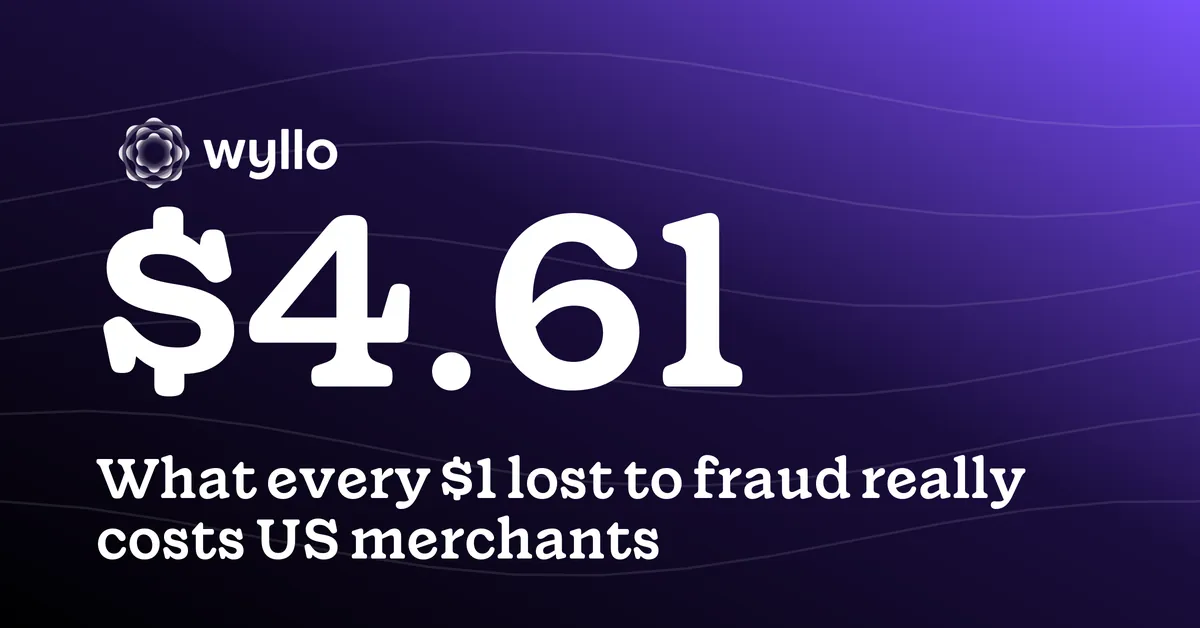
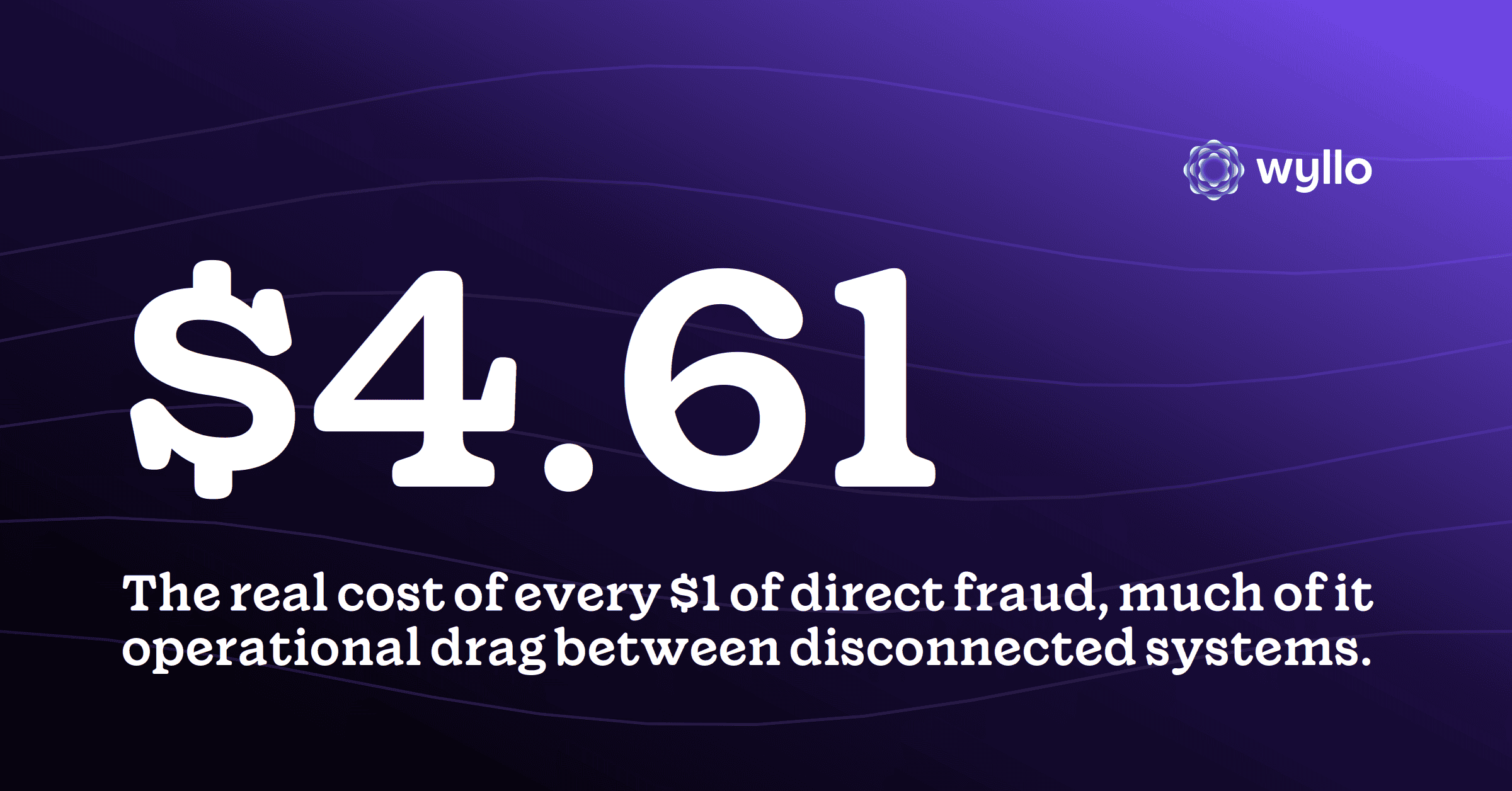
The cost of that blindness is measurable. LexisNexis Risk Solutions’ True Cost of Fraud research puts the real cost of fraud at $4.61 for every $1 of direct loss in US retail and ecommerce, and the multiplier is mostly operations: investigation, recovery, and manual handling, which is another way of saying people swiveling between systems that refuse to talk. Meanwhile the Merchant Risk Council’s global fraud research ranks refund and policy abuse as the top threat in ecommerce, and that behavior lives precisely across the seam: it starts in support conversations and ends in risk decisions.
How the Stack Grew Apart
Nobody designed the seam. Best-of-breed buying created it, one sensible purchase at a time. The fraud tool was bought to protect checkout. The helpdesk was bought to answer tickets fast. The returns platform was bought to make returns painless. Each optimizes its own surface, holds its own version of the customer, and reports its own wins.
The customer, meanwhile, does not experience the business one tool at a time. The same person places the order, opens the ticket, files the claim, and calls the bank. A stack where each system sees only its slice produces the failure pattern covered in where ecommerce fraud actually hides: behavior that is obviously coordinated when read together, and invisible when read apart. The integration argument is the same argument from the workflow side. It is not just that the data should be joined somewhere; it is that the people and systems making decisions should have the joined view at the moment of the decision.
What Disconnection Costs Day to Day
The costs are unglamorous and constant. An agent handling a refund request tabs into the order system, the fraud tool, and the returns platform before answering, or more often, answers without looking. A dispute analyst rebuilds a customer’s story from four exports to write evidence a connected system could have assembled automatically. A generous appeasement goes to a customer the risk side has flagged three times, because the flag lives where the agent never looks. A loyal customer gets a suspicious-activity hold nobody can explain, because the context that would clear them sits in the helpdesk the fraud tool cannot see.
Each instance costs minutes or a single bad decision. At volume, they become the operational drag inside that $4.61 multiplier, plus the quieter cost of inconsistent treatment: the same customer getting generosity from one channel and suspicion from another, depending on which tool answered.
What “Talking” Actually Means
Integration is a spectrum, and it helps to name the levels, because vendors use “integrates with” for all three.
- Data sync. Records flow between systems on a schedule. Necessary, and weakest: the data arrives, but nobody sees it in the moment that matters.
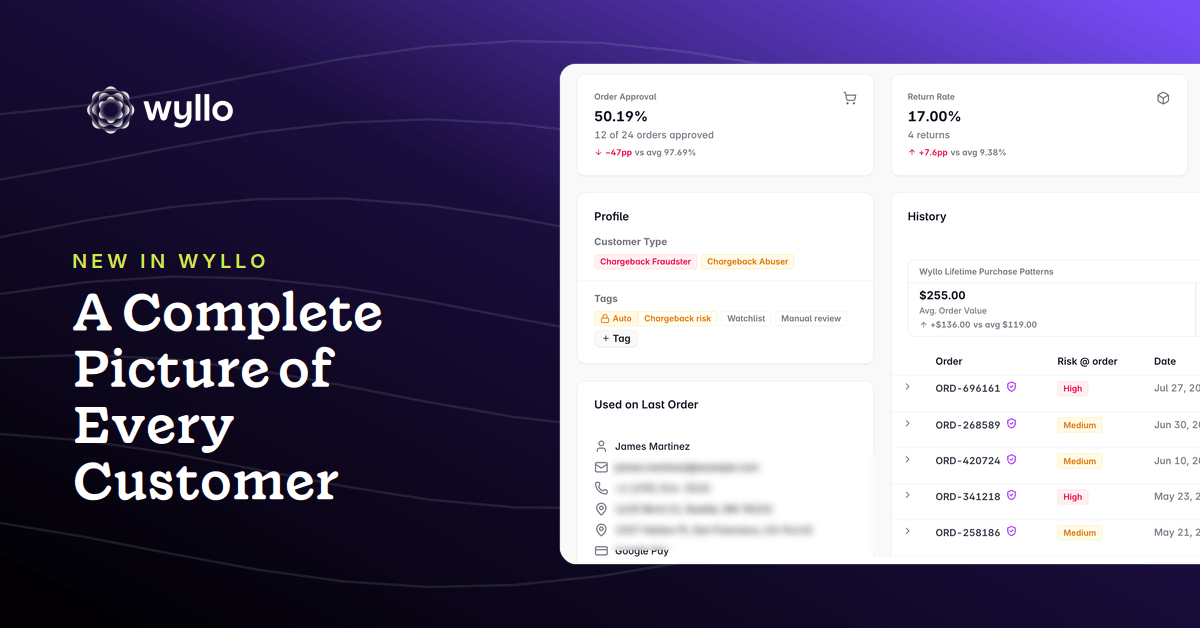
- Context in the workflow. The deciding surface shows the other side’s knowledge at decision time: risk context inside the helpdesk ticket, support history inside the review queue. This is where behavior changes, because nobody has to go looking. It is the design behind Wyllo’s Gorgias partnership, which puts risk intelligence where CX agents already work.
- Closed loop. Actions flow back. The agent’s resolution informs the next risk decision; the risk decision shapes what the agent is empowered to offer. At this level the stack stops being tools that share data and becomes one system that learns, with a single customer view as its memory.
A practical evaluation question for any pair of tools: when a decision is being made in system A, does the person or model making it see what system B knows, without leaving the screen? If the answer is no, the integration is plumbing, not intelligence.
Where to Start
Map one customer journey end to end, the refund request is usually the richest, and list every system it touches and every point where a decision is made without the full picture. Pick the single seam with the most volume, typically helpdesk to risk, and close it to the “context in the workflow” level. Then measure what the connected teams can now do: resolution time, appeasement cost on flagged customers, and the consistency of treatment across channels.
The pattern that emerges is the one worth internalizing: integration pays off not because data moves, but because judgment improves at the moment it is exercised.
How Wyllo Helps
Connecting risk and CX is the founding idea of Wyllo, the risk intelligence platform for commerce. Intent only becomes legible when signals from the whole journey arrive in one place, and it only becomes useful when it shows up where work happens.
- Wyllo CX Support embeds risk scores and next-best actions inside the tools agents already use, so the support conversation and the risk decision stop being strangers.
- Wyllo Payment Fraud Protection contributes order decisioning that the rest of the stack can read, instead of a verdict locked in its own tab.
- Wyllo Claim and Policy Abuse Prevention reads the support-channel behavior where refund and policy abuse actually starts.
Trust-led decisioning, when and where you work.
Frequently Asked Questions
What is ecommerce tech stack integration?
It is connecting the systems a commerce business runs, platform, payments, fraud, returns, helpdesk, and analytics, so data and context flow between them. The highest-value integrations put each system’s knowledge in front of the people and models making decisions in the others.
Why should fraud and CX tools be integrated?
Because the same customers flow through both. Agents make refund and appeasement decisions that are risk decisions, and risk systems judge behavior that support context explains. Disconnected, both sides decide half-blind; connected, treatment gets consistent and the operational drag of swivel-chair investigation drops.
What is the difference between data sync and workflow integration?
Data sync moves records between systems on a schedule. Workflow integration surfaces one system’s context inside another at decision time, like risk scores inside a helpdesk ticket. Sync makes reporting possible; workflow integration changes decisions.
Where should a merchant start integrating?
Map one high-volume journey, usually the refund request, list where decisions happen without full context, and close the busiest seam first, typically between the helpdesk and the risk stack. Measure resolution time and appeasement cost on flagged customers to confirm the gain.
Bringing It Together
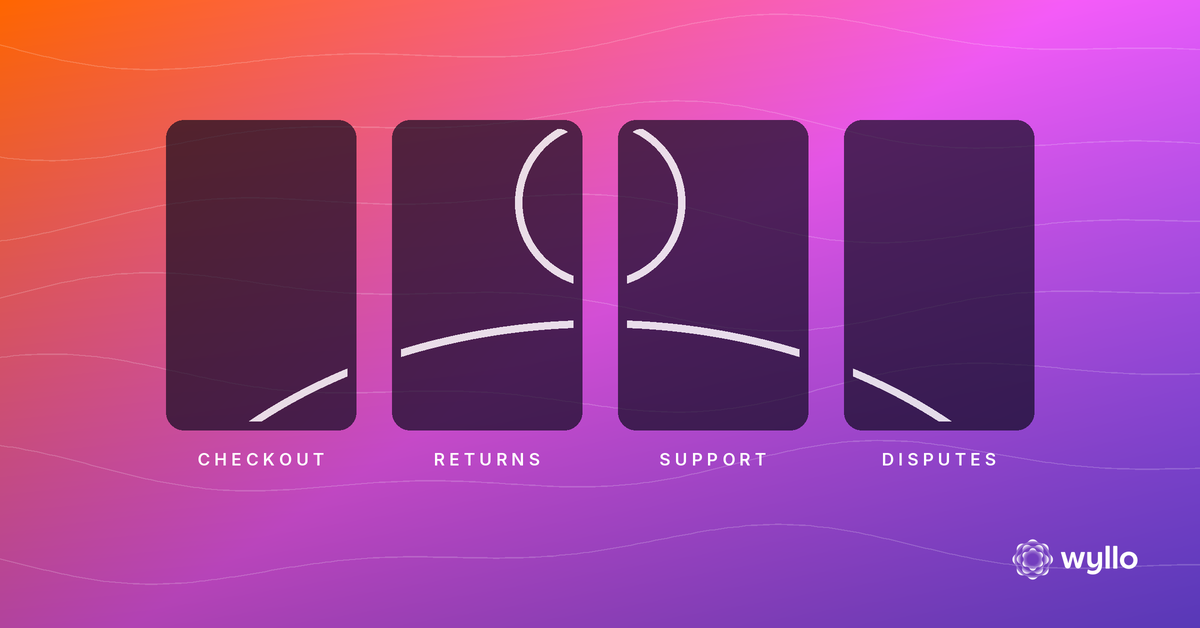
Stacks grew apart for good reasons, and no merchant should apologize for buying best-of-breed tools. The mistake is leaving them strangers. The customer behaves as one person across checkout, support, returns, and disputes, and the businesses that read them that way make better calls on both sides: warmer service for the customers who earned it, sharper judgment on the behavior that costs money.
The integration worth prioritizing is the one that changes decisions, risk context where conversations happen and conversation context where risk is judged. Clarity over chaos, one seam at a time.
See what a connected view changes: start with why a single customer view needs risk inside it, or explore the Wyllo platform for intelligence that travels across the whole stack.