Originally published January 16, 2026. Last updated September 18, 2026 with current NRF, MRC, LexisNexis, Gartner, Forrester, and Baymard data, a midyear read on how each trend has played out, and a CX-first playbook for acting on them.
Customer experience fraud prevention trends describe the shift of fraud strategy away from isolated checkout controls and toward the customer experience itself: returns, claims, support conversations, and account behavior. In 2026, the most consequential risk decisions a brand makes happen after the payment clears, and they are increasingly made by CX teams rather than payments teams.
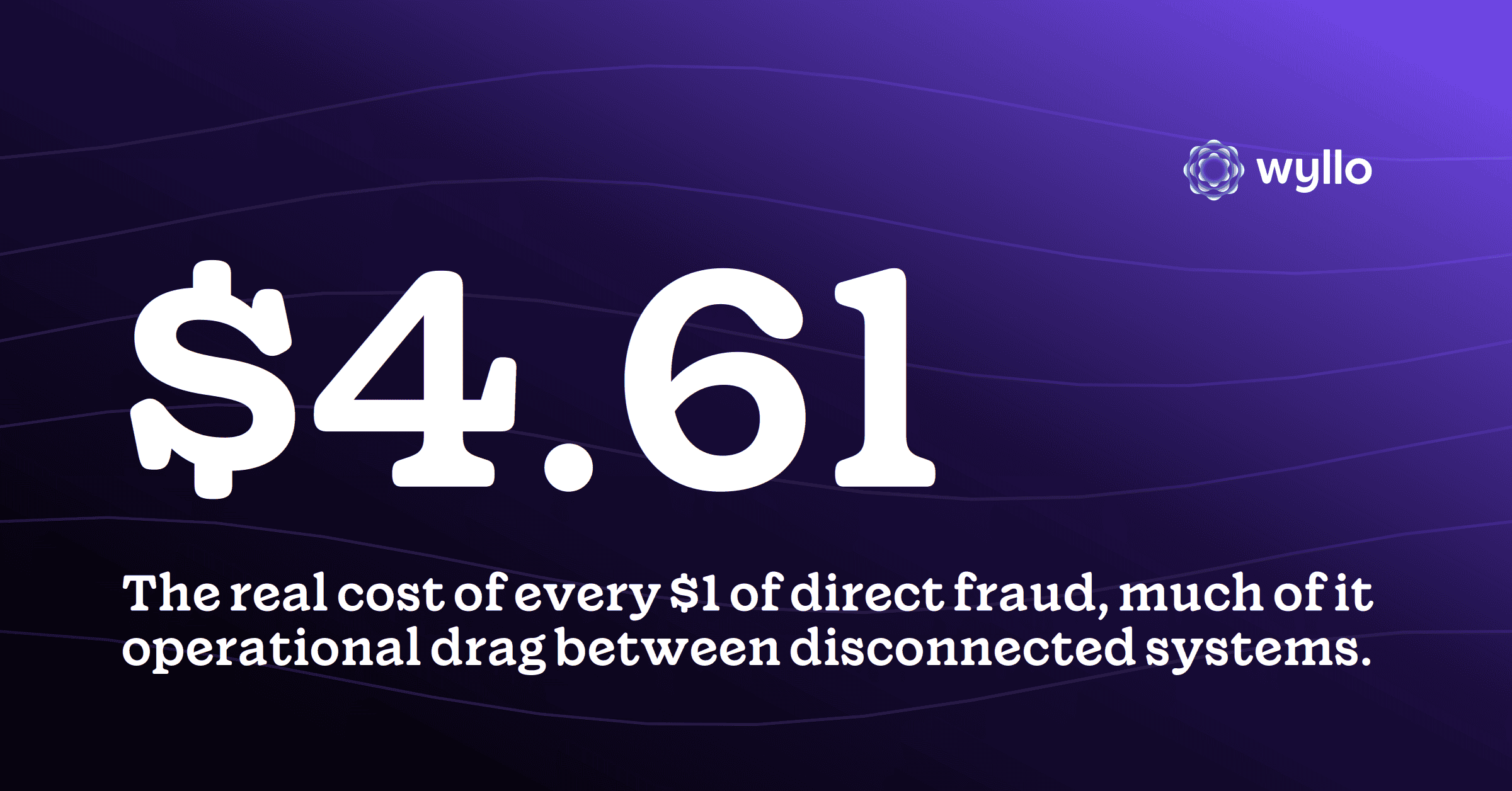
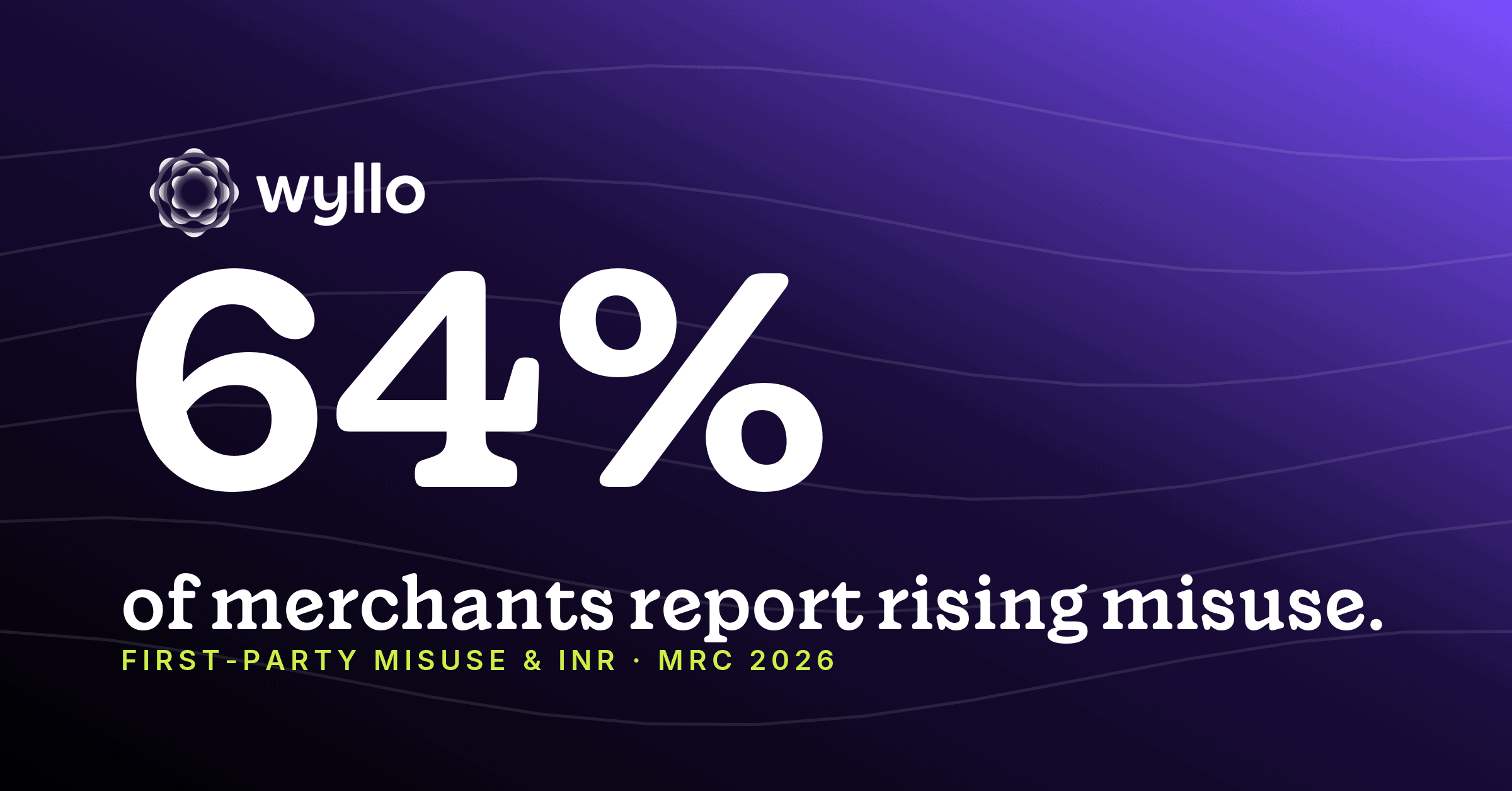
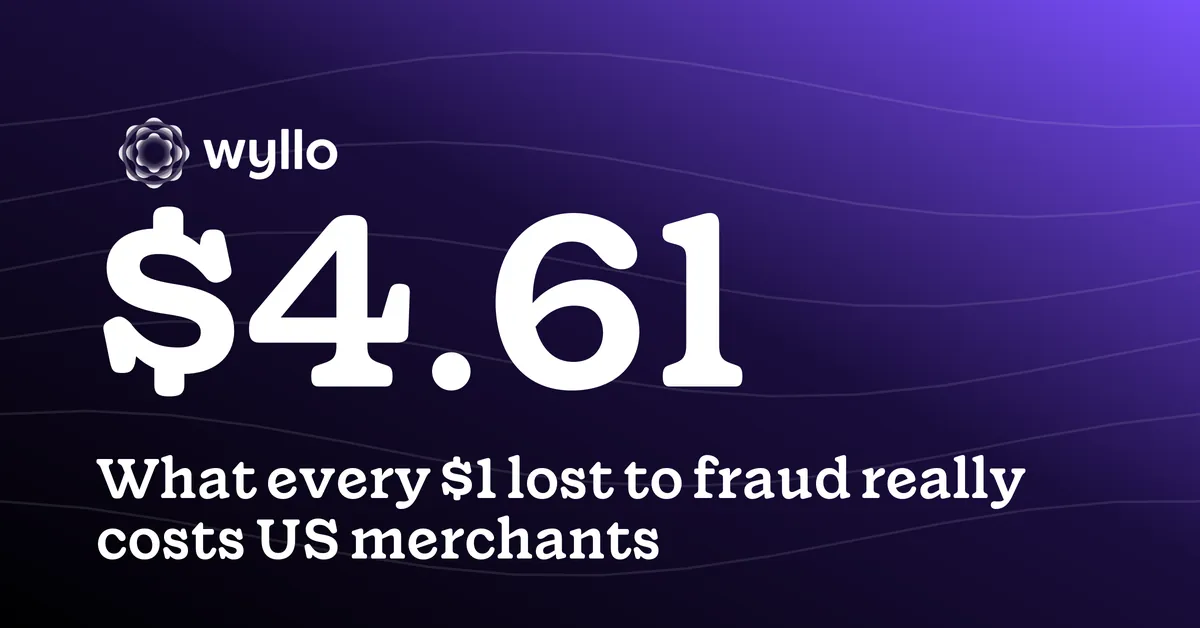
In January these seven trends were forecasts. Nine months in, they are observable. The MRC’s 2026 Global eCommerce Payments and Fraud Report, surveying 1,278 merchants across 37 countries, found 64% report rising first-party misuse, with one quarter seeing increases of 25% or more. LexisNexis Risk Solutions’ 2026 True Cost of Fraud Study puts the total cost of fraud for US retail and ecommerce at $5.13 for every $1 of direct loss, and finds 56% of US retailers reporting increased customer churn tied to their own anti-fraud measures.
That second number is the one CX leaders should sit with. Fraud is expensive, and so is the friction added to fight it. The seven trends below are about closing that gap.
Watch the conversation: Customer XO on how CX and fraud prevention are converging (YouTube), or read the recap on why “the customer is always right” is dead.
Why Customer Experience Fraud Prevention Trends Matter in 2026
For most of the last decade, fraud strategy lived at checkout and assumed the risky moment was the payment. In 2026, the payment is often the least risky moment in the relationship: payment fraud tooling matured, and bad actors moved to the seams it does not watch, from return windows and item not received claims to support agents empowered to make exceptions. Customer expectations kept rising in the meantime, while CX quality slipped. Forrester’s 2025 Customer Experience Index found that for the second year running, 25% of US brands’ CX rankings declined while only 7% improved. CX leaders are being asked to raise the experience for good customers and stop absorbing losses from people exploiting that generosity. Here is how the best teams are doing both.
1. Fraud Keeps Moving Post-Checkout
The MRC has ranked refund and policy abuse the most prevalent fraud type merchants face since its 2025 report, ahead of every payment attack. The 2026 edition shows the pattern deepening, with nearly two thirds of merchants reporting more first-party misuse than the year before.
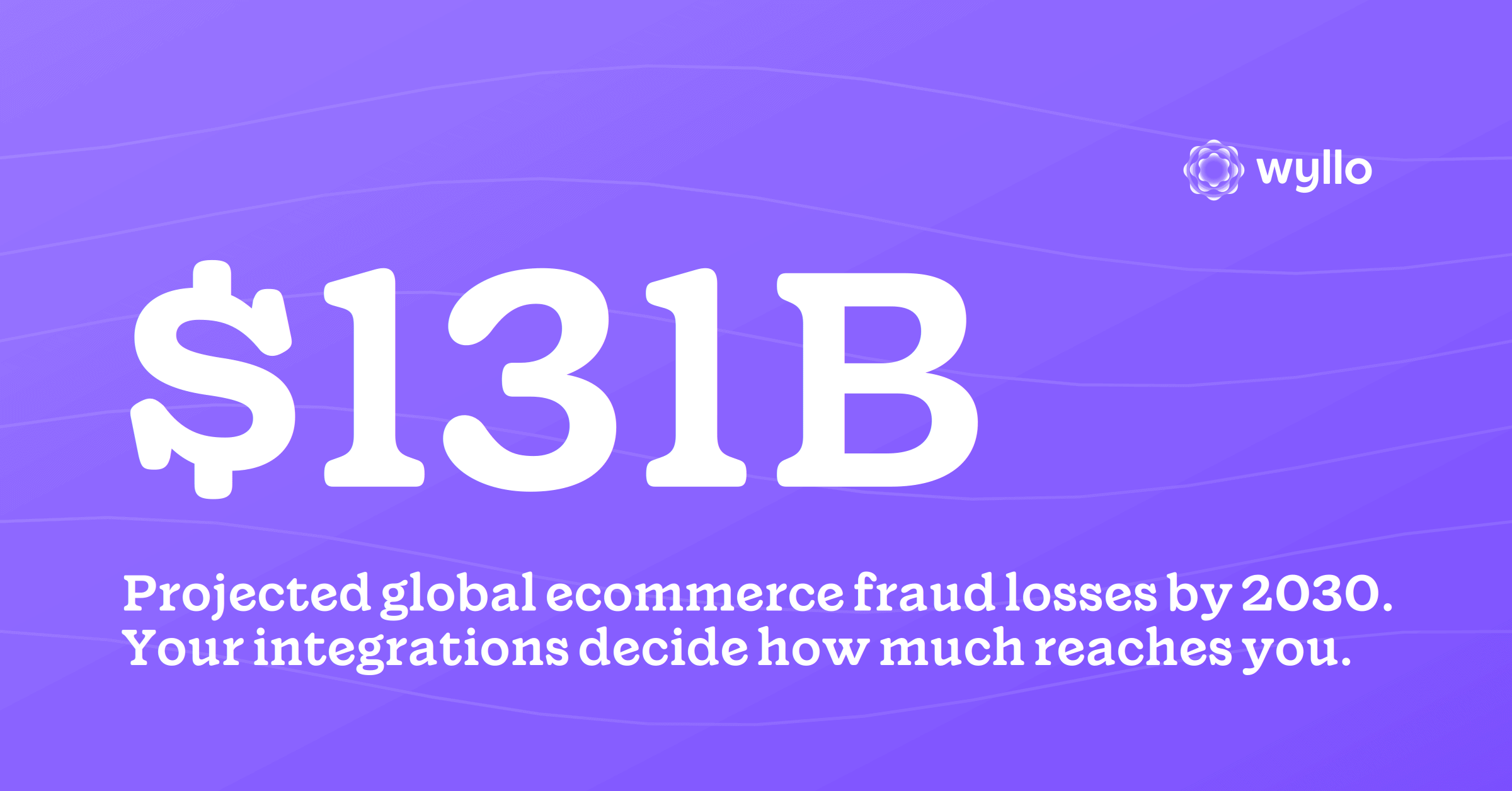
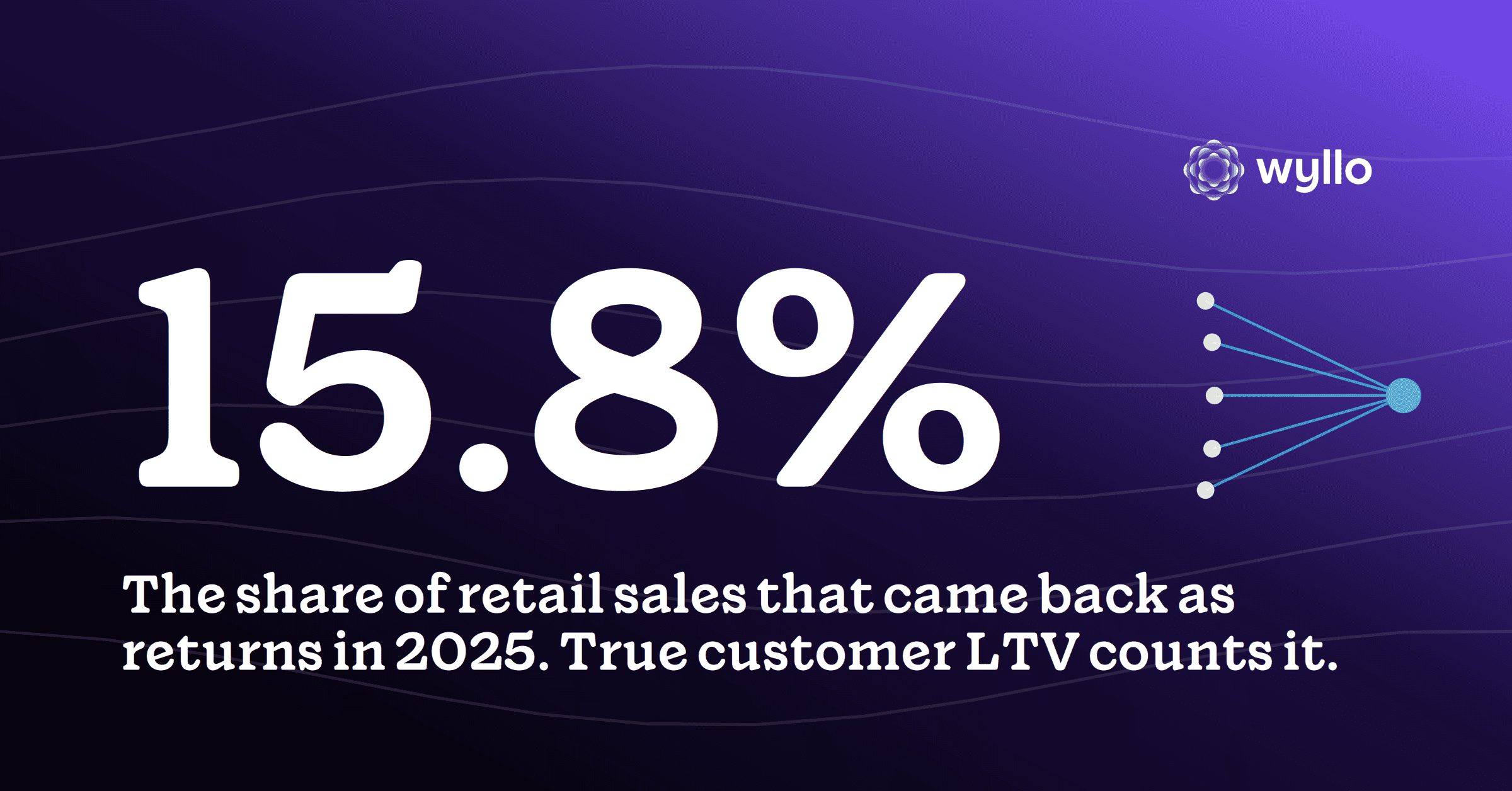
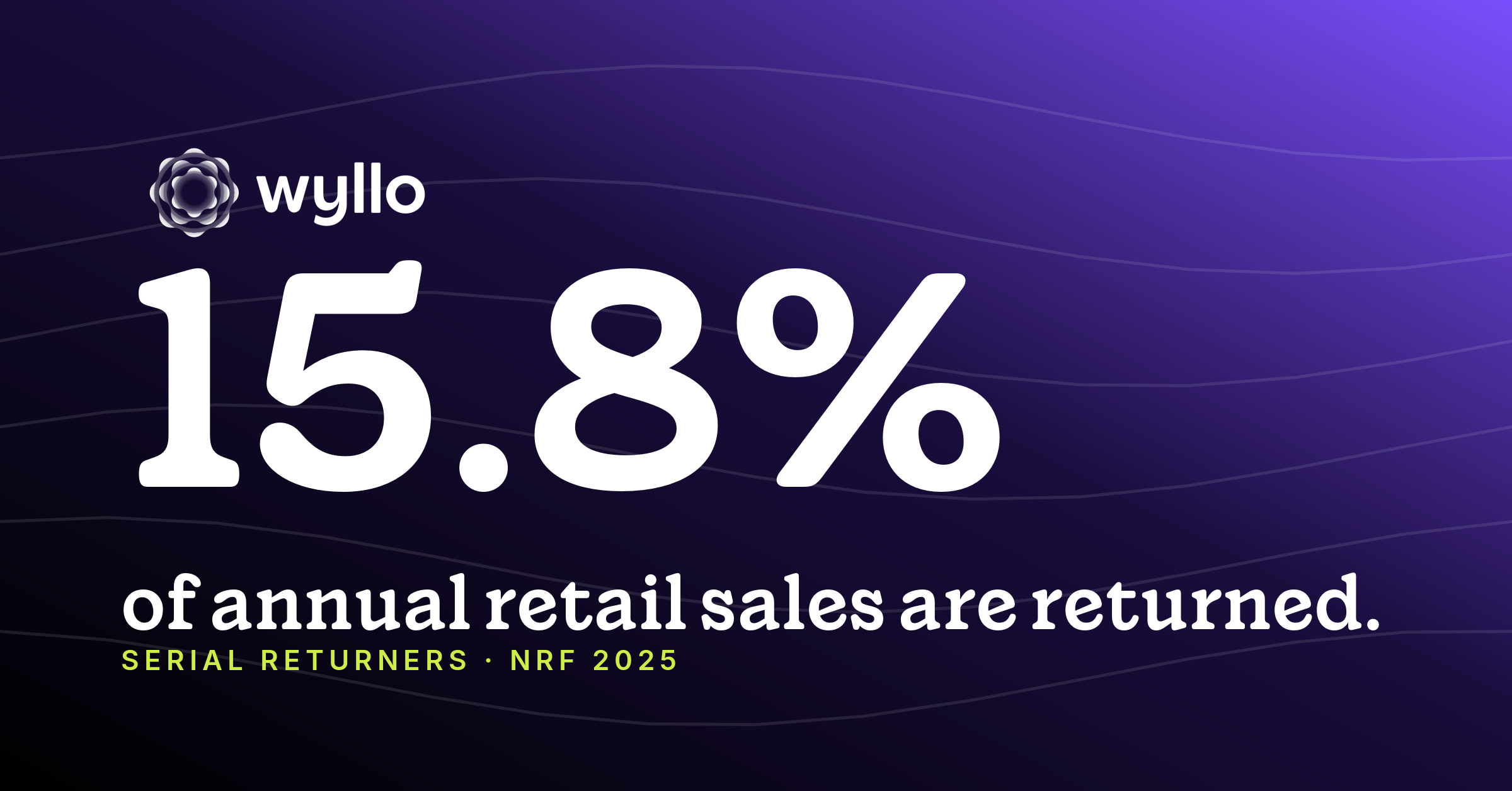
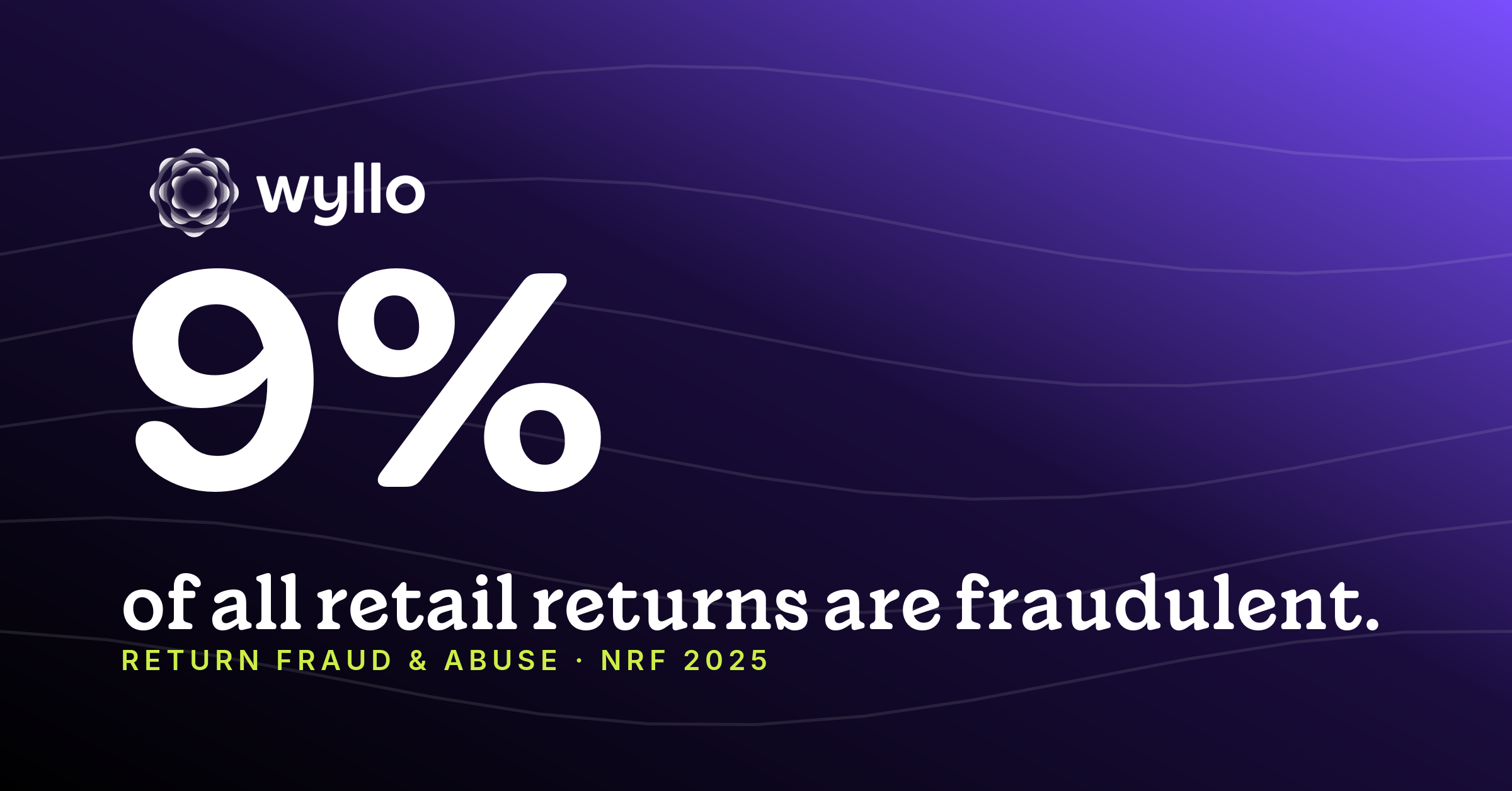
The returns numbers explain why. NRF and Happy Returns’ 2025 Retail Returns Landscape projected $849.9 billion in returned merchandise for 2025, with a 19.3% return rate on online sales. Retailers in that study estimated 9% of all returns were fraudulent.
The patterns are familiar to anyone who runs a support queue: excessive returns, false warranty claims, “item not as described” complaints, fake tracking numbers, and pressure on agents who can override policy. All of it happens after the payment succeeded, which is why tools built for stolen cards do not see it. Our guide to post-purchase fraud breaks down each pattern. The implication: fraud prevention has to be embedded across customer experience, logistics, and operations, because that is where the loss now lands.
2. Customer Experience Is a Primary Risk Surface
Customer experience was built for speed, convenience, and satisfaction. In 2026 it is also being optimized for risk, and the two goals are less opposed than they look. Generous policies remain a competitive necessity. In the NRF study, 82% of consumers cited free returns as a major purchase consideration, and 71% said a poor returns experience would make them less likely to shop with a retailer again. Yet 45% of consumers in the same study said “bending the truth” about a return is acceptable when they are dissatisfied. Generosity applied uniformly is generosity that will be exploited at scale.
The response from leading brands is not tighter policy. It is adaptive policy. The experience flexes based on what the customer’s behavior says: instant refunds and effortless returns for customers with clean histories, additional verification for accounts showing the warning signs of return abuse. Treating CX as a risk surface does not mean treating customers as suspects. It means recognizing that returns, claims, and support are where trust is either confirmed or exploited.
3. Intentionality Replaces Binary Fraud Labels
“Fraud or not fraud” was the right question for stolen card decisioning. It is the wrong question for a customer who has returned four of six orders, disputed one, and spent $2,000 with you.
Wyllo’s approach centers on customer intentionality: behavior sits on a spectrum, and the useful question is what the customer is trying to do. In practice:
- Good actors get seamless experiences. Fast approvals, instant refunds, no verification steps they do not need.
- Bad actors meet friction that scales. Verification requests, refund on receipt, and holds that tighten as the pattern strengthens.
- Most customers sit in between, guided by behavior rather than by assumptions or blanket rules.
The cost of getting this wrong is measurable. Baymard Institute’s checkout research attributes 13% of checkout abandonment to an unsatisfactory returns policy and another 10% to a declined card. Binary labels push good customers into both buckets. Blanket rules (everyone gets free returns, or nobody does) now read as outdated because they ignore the variable that matters most: intent, read from customer intent signals across the relationship.
4. Customer Support Is the Fraud Front Line
Support agents sit at the intersection of orders, returns, claims, and customer history, and they hold the authority to refund, reship, or waive a policy. For years they were left out of fraud strategy, then blamed when abusers learned to work the queue. That is changing in 2026, partly out of necessity. Gartner’s February 2026 survey of customer service leaders found 91% under pressure from executive leadership to implement AI, and 84% planning to add new skills to agent roles. Risk judgment is one of those skills, because as AI resolves routine tickets, agents inherit the ambiguous cases: the third damage claim from one address, the refund request minutes after a login from a new device.
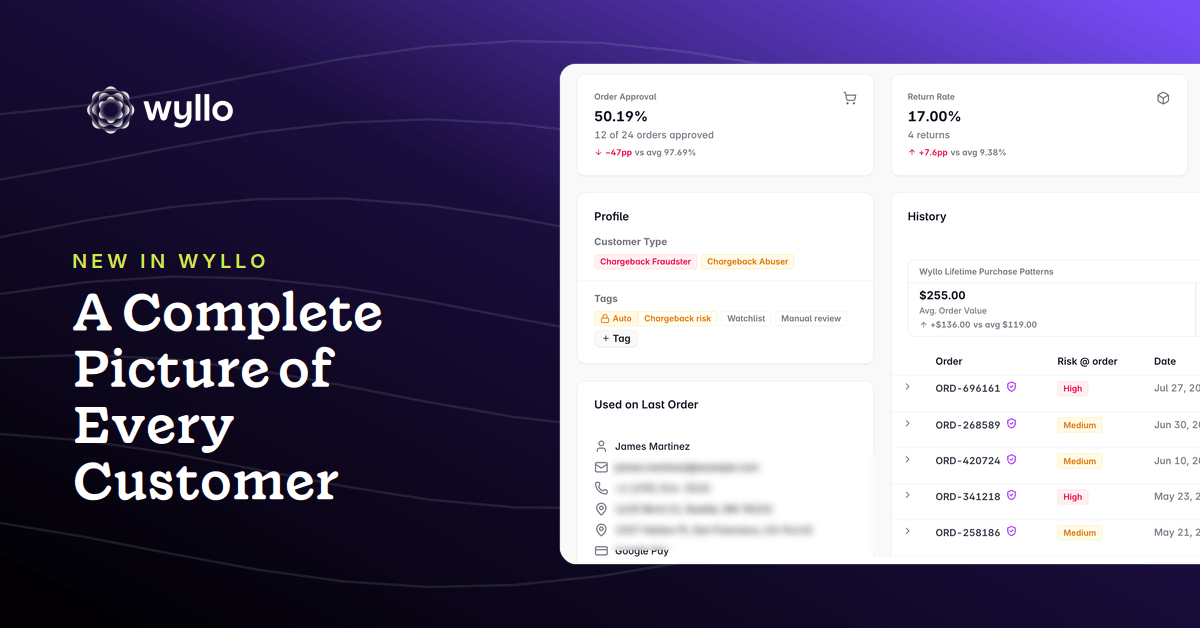
Customers still want a person in the loop, though. Gartner’s August 2026 survey of 3,566 customers found 87% say access to a human agent is essential when a company uses GenAI for service. The agent is not going away; the question is whether they have the context to make the right call. Embedding risk intelligence directly in CX tools answers that. When the agent looking at a refund request also sees return history, linked accounts, prior claims, and a recommended action on the same screen, legitimate issues resolve faster, suspicious patterns escalate, and loss falls without degrading the experience for the customer who deserves it.
5. Breaking Data Silos Is a Competitive Advantage
Ecommerce brands do not lack data. They lack connected data. Customer information is scattered across the payment gateway, the storefront, the returns tool, the warehouse system, and the help desk. Bad actors know it. The same person can present as a new customer at checkout, a loyal one to the support team, and an unknown to the returns portal, because none of those systems compare notes. Our piece on where ecommerce fraud hides walks through the gaps abusers exploit.
Wyllo was built to close those gaps. The platform connects signals across checkout, returns, claims, support, chargebacks, account behavior, devices, and email patterns into a single customer view, applies merchant-specific context, and recognizes coordinated abuse such as linked accounts and clustered bad actors. The output flows into the tools teams already use, not another dashboard. The payoff shows up in the data: in LexisNexis Risk Solutions’ 2026 True Cost of Fraud Study, organizations classed as high maturity in fraud management were more than twice as likely to report decreased customer churn as their low maturity peers.
6. Customer Experience Is a Growth Driver
The trend with the longest horizon is the reframing of CX itself. For years the function was measured on cost: tickets closed, handle time, refund dollars. When CX data informs fraud, operations, and personalization together, it shows up on the revenue side. The mechanism is segmentation by intent, optimizing each interaction rather than applying one policy to everyone:
- Trusted customers move faster. Fewer holds, fewer verification steps, instant refunds.
- Support costs fall. Automation on routine cases frees agents for the cases that need judgment.
- Policies adapt instead of calcifying. The brand can afford generosity because it is targeted.
- Trust compounds. A customer treated well on a return comes back.
Baymard Institute estimates $260 billion in lost orders across the US and EU are recoverable through better checkout flow and design alone. The same logic extends downstream: every unnecessary hold and every refund denied to a good customer is recoverable revenue. Fraud prevention and customer experience stop competing. How to balance security and customer experience covers the operating decisions involved.
7. Partnership Replaces Point Solutions
The MRC’s 2026 report found merchants faced an average of 3.7 distinct fraud attack types in 2025. Each used to come with its own tool, dashboard, and vendor. That model does not scale, and CX leaders have run out of patience for logging into a sixth system to answer one customer’s question. What retailers are asking for in 2026:
- Integrated systems rather than disconnected dashboards. Intelligence arrives inside the help desk, the ecommerce platform, Slack, or email.
- Clear playbooks instead of abstract insights. A score is only useful with an action the team can execute.
- Measurable ROI tied to daily operations. Approval rates, refund abuse caught, handle time, chargebacks prevented.
- Partners invested in long term outcomes. Platform plus team plus playbooks.
This is the philosophy behind Wyllo’s connected platform. The stakes are not abstract: Mastercard’s 2025 State of Chargebacks research forecasts the global cost of chargebacks to merchants reaching $42 billion by 2028, with nearly half reported as fraudulent. Point solutions see each dispute in isolation; a connected partner sees the customer behind them.
How Wyllo Helps
Every trend above points to the same requirement: seeing a customer’s behavior across the whole journey and acting on it where the decision gets made. Wyllo, the CX-first risk intelligence platform, was built for exactly that. Wyllo is risk intelligence for commerce, applied through Intent-Aware Decisioning: better context reveals intent, intent enables confident decisions, and confident decisions create trust-led experiences.
Four products do the most work for CX leaders:
- Wyllo CX Support embeds risk scores and next best actions inside the CX tools your team already uses, so the agent handling a refund or dispute sees the connected pattern as they answer the customer.
- Wyllo Claim and Policy Abuse Prevention catches item not received claims, warranty exploitation, account takeover, and friendly fraud before they become chargebacks.
- Wyllo Return Fraud and Abuse Prevention identifies serial returners, wardrobing, and coordinated return abuse across linked accounts while keeping returns frictionless for customers with clean histories.
- Wyllo Payment Fraud Protection handles checkout with AI plus human fraud analysts, reducing false declines so good customers get through.
Because good customers deserve better.
Frequently Asked Questions
What are customer experience fraud prevention trends?
Customer experience fraud prevention trends describe the shift of fraud strategy from isolated checkout controls toward the customer experience itself: returns, claims, support interactions, and account behavior. The seven defining trends of 2026 are fraud moving post-checkout, CX as a risk surface, intentionality over binary labels, support as the fraud front line, connected data over silos, CX as a growth driver, and partnership over point solutions.
Why is fraud moving post-purchase in 2026?
Because payment fraud tooling matured and bad actors moved to the seams it does not watch. The MRC’s 2026 Global eCommerce Payments and Fraud Report found 64% of merchants reporting rising first-party misuse, and refund and policy abuse has been the most prevalent fraud type since the MRC’s 2025 report. Return windows, item not received claims, and support exceptions are far easier to exploit than a stolen card.
What is customer intentionality in fraud prevention?
Customer intentionality is the practice of reading what a customer is trying to do from their behavior across the whole relationship, rather than labeling them fraudulent or not at a single transaction. It lets a brand give customers with clean histories a seamless experience, apply scaling friction to clear abusers, and guide the large middle group by evidence instead of assumptions. It is the basis of Wyllo’s Intent-Aware Decisioning approach.
How can customer support teams help prevent fraud?
Support agents already hold the authority to refund, reship, and waive policy, which makes them the front line. Risk context inside the help desk (return history, linked accounts, prior claims, a recommended action) lets them resolve legitimate issues faster and escalate suspicious ones. Gartner’s 2026 research found 87% of customers still want human agent access, so equipping agents matters more as AI handles routine tickets.
Does fraud prevention hurt customer experience?
It can, when it relies on blanket rules. LexisNexis Risk Solutions’ 2026 True Cost of Fraud Study found 56% of US retailers and 54% of US ecommerce merchants reporting increased customer churn tied to anti-fraud measures. Organizations with mature fraud programs were more than twice as likely to report decreased churn. Connected, intent-aware decisioning reduces friction for good customers while concentrating it on the accounts that earn it.
How much does return fraud cost retailers?
NRF and Happy Returns’ 2025 Retail Returns Landscape projected $849.9 billion in returned merchandise in 2025, with retailers estimating 9% of returns were fraudulent. The most common abuse types were overstated quantities, empty box returns, and decoy or counterfeit items. Because 82% of consumers call free returns a major purchase consideration, tightening policy for everyone is rarely the answer; brands need to identify the abusers specifically.
Bringing It Together
The story of 2026 is that fraud prevention stopped being a checkout problem. The MRC, NRF, and LexisNexis data all point the same way: loss now lands in returns, claims, and support, and the friction brands add to fight it is costing them customers they wanted to keep.
The seven trends here are one trend seen from seven angles. Brands that read customer behavior across the whole lifecycle, and design experiences that reward trust while containing risk, are outperforming brands that manage each touchpoint in isolation. CX leaders sit at the center of that shift, because CX is where the decisions get made. Growth doesn’t come from playing defense.
Curious how a CX-first, intent-aware risk intelligence approach would change how your team handles returns, claims, and support cases? Start with Wyllo CX Support for risk context inside your help desk, or explore the broader Wyllo platform for connected intelligence across the full customer journey.